If you’ve started herb seedlings indoors and they’re looking tall and spindly rather than sturdy and compact, you’re not alone. Leggy seedlings are super common for indoor gardeners. I’ve run into this a bunch of times, and once I figured out why it’s happening, things went much smoother. Here you’ll get a clear look at what causes leggy herb seedlings, how it affects your plants, and practical solutions for getting strong, healthy seedlings every time.
What Does It Mean When Seedlings Grow Leggy?
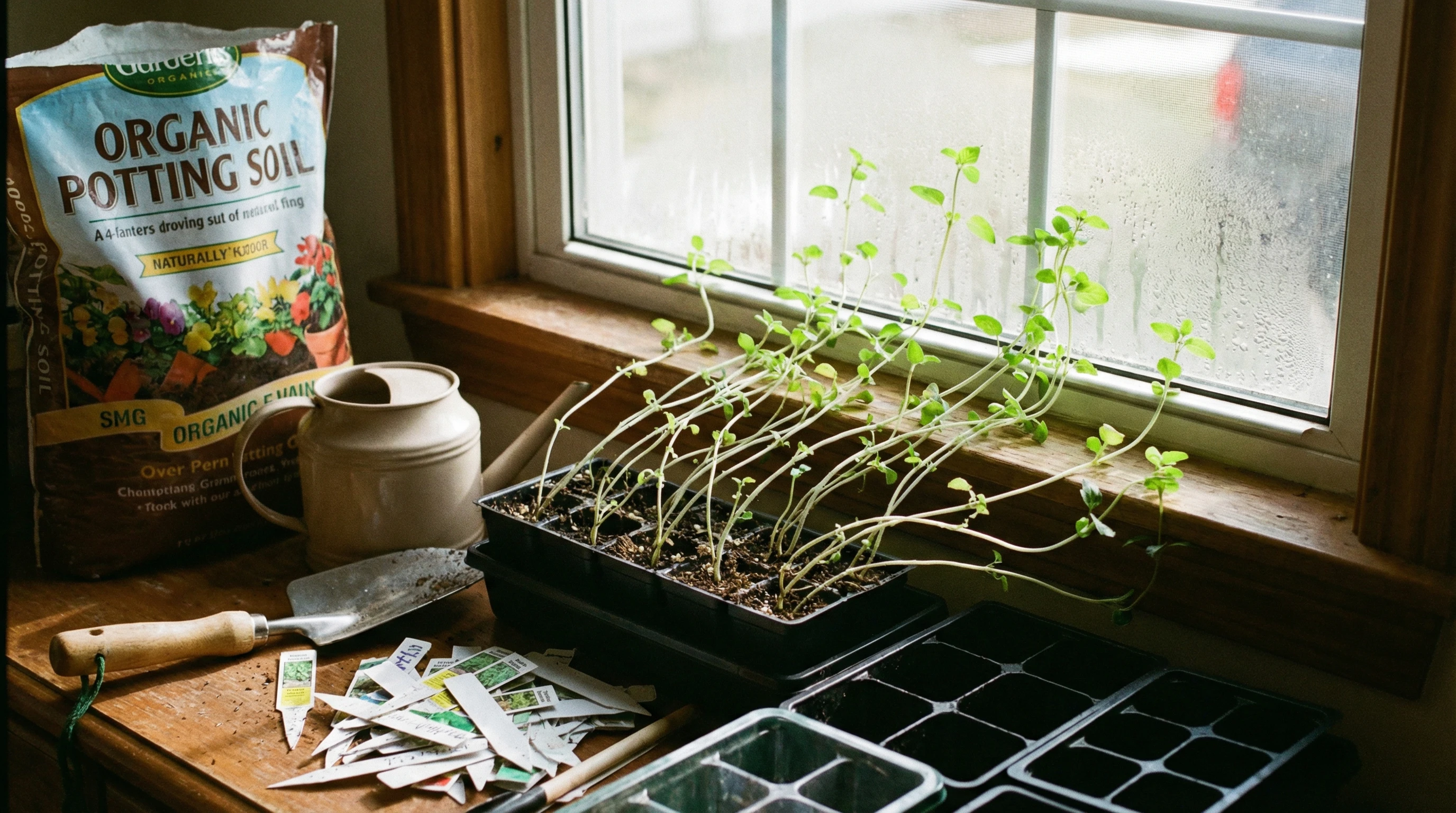
Leggy seedlings are those that shoot up fast with thin, weak stems and small leaves. Instead of a bushy, sturdy look, they seem stretched out and may even lean or flop over. Basil, cilantro, parsley, and other herbs can all get leggy if their growing environment isn’t quite right. I used to think my seedlings were just growing quickly, but those tall, skinny plants struggled to survive once I put them outdoors or tried to pot them up. The main sign is that stretch between the soil and the first leaves. If stems are floppy and falling over, it’s a sure sign of legginess.
How Legginess Impacts Herb Seedlings
It’s really important to know that legginess isn’t just a cosmetic thing. Stretched-out seedlings are weaker overall. They’re more likely to collapse under their own weight, and that’s tough to fix later if they’re not stopped in time. In my experience, leggy herbs have trouble with:
- Transplant shock: Skinny stems don’t handle being moved well, and they’re much more likely to snap or bend.
- Poor yield: Fewer leaves and dramatic growth slow down how soon you’ll see harvest-ready herbs. Your plants just don’t fill out the way they should, so harvests will be smaller.
- Susceptibility to pests and diseases: Weak plants are less able to bounce back or defend themselves from those pesky critters or fungal diseases that pop up in humid indoor conditions.
Main Causes of Leggy Herb Seedlings Indoors
Usually, leggy growth comes down to the environment. The good news: most causes are simple to tweak once you spot them. Whether it’s how much light the seeds get, how close they are to each other, or even how warm your grow area is, you can often fix these issues quickly.
- Not enough light: This is by far the top culprit. Seedlings stretch out when they’re chasing after more light, especially in homes where daylight just isn’t strong enough during late winter or early spring. Insufficient light is the most popular reason for weak, tall seedlings.
- Starting seeds too warm: Some folks use heat mats and keep seedlings at higher temps. This speeds up sprouting but can also speed up stretching if the light isn’t keeping up. Warm temperatures alone don’t cause legginess but, paired with weak light, they’re a recipe for trouble.
- Overcrowding: When seedlings are packed too close together, they compete for space and light, making them stretch taller and lean into gaps. Even herbs in peat pellets or small trays can suffer when sown too thickly.
- Overfertilizing: Too much nitrogen or overfeeding in general can push fast, weak growth instead of slow and steady development. Using a strong fertilizer early can encourage thin, pale growth.
How to Prevent Leggy Herb Seedlings
Luckily, fixing legginess usually just means making a few changes to your setup—the right light, temperature, and a little extra care matter most.
- Provide strong, direct light: Seedlings want at least 12–16 hours of strong light daily. A south facing window will do if you’re lucky, but even then, supplementing with LED grow lights makes a huge difference. I found that just moving my tray under the brightest window wasn’t enough, so I added a simple shop light (fluorescent or LED), hung just a couple inches over the tops of the seedlings. It changed everything.
- Keep temperatures moderate: Most herb seeds like to germinate in warm conditions but want things cooler (around 60–65°F) after sprouting. This helps slow the stretching, so stems thicken up and leaves expand.
- Thin seedlings early: If you have clusters or more than one seedling per cell or pot, snip or carefully separate them when they get bigger than their first set of true leaves. This gives each seedling enough room and cuts down on the stretch toward a light source.
- Hold off on extra fertilizer: Herbs don’t need a lot of food when they’re tiny. Stick with a gentle, diluted fertilizer only once the first couple of true leaves show up—and even then, keep it light. Too much food early encourages soft, weak growth.
- Gently brush or shake seedlings: Giving seedlings an occasional gentle brush with your hand or a soft fan breeze helps them build sturdier stems. This mimics outdoor wind, prompting seeds to create thicker stems and sturdier roots over time.
Also, use a good seed starting mix that drains well but stays moist. Heavy soils hold too much water, while light mixes encourage better root growth. Roominess and air movement from a fan go a long way, too.
Quick Troubleshooting and Solutions
If you notice your herb seedlings are starting to look leggy, you can often fix the situation before it gets out of hand. Here’s what helped me:
- Move your seedlings closer to the light: Seedlings should be just an inch or two below a grow light. If you’re using a window, rotate trays daily. On cloudy days, switch to a lamp if you have one.
- Adjust your lights higher as seedlings grow: Keep the distance close, but lift the lamp as the plants get taller, so you don’t burn the leaves or cause heat stress.
- Turn down the heat after sprouts appear: If you’re using a heat mat, unplug it and let the soil cool off once seeds have started to poke through. This slows vertical growth.
- Use a fan for airflow: A small fan on low can prevent seedlings from stretching, while helping keep humidity from getting too high. A slight breeze strengthens them and keeps fungus at bay.
These fixes are cheap and easy to put in place, and they really can mean the difference between floppy herbs and a lush indoor garden. Don’t forget to watch your seedlings every day—a little catch early can save your whole tray.
Common Questions About Leggy Herb Seedlings
Here are some questions I get asked all the time when folks are first starting herbs indoors:
Why don’t my storebought herb plants get leggy?
Commercial growers use really strong lights and control temperature and spacing very closely. At home, most of us don’t have that setup, but using even a basic grow light gets you most of the way there.
Can I save seedlings that have already gotten leggy?
You might be able to salvage mildly leggy seedlings by adding more light, lowering temperatures, and brushing them with your hand or using a fan. If they’re very stretched, burying the stems a little deeper when transplanting sometimes helps herbs like basil and cilantro regrow roots along the buried stem. Very leggy seedlings often don’t recover completely, but you may still get a harvest if you treat them gently.
Is it okay to start all herbs indoors?
Most popular herbs (like basil, parsley, cilantro, chives, and dill) start fine indoors if they have plenty of light and aren’t overwatered. Some, like dill and cilantro, have taproots and don’t love being transplanted, so use deeper pots or compostable seed trays if possible. Other herbs, such as thyme and oregano, handle transplanting just fine and are easier to start inside than outside.
How much light do herb seedlings really need?
More is better. Aim for at least 12–16 hours of light each day. Most herbs are “full sun” plants outdoors and won’t do well with just a few hours of window light indoors. If your seedlings lean toward the window, it’s a sign they’re craving more light.
Extra Tips for Growing Strong Herb Seedlings Indoors
In my experience, little tweaks end up making a huge difference over time. Some other tips I’ve picked up include:
- Use a timer for your lights: This helps make sure your seedlings aren’t staying in the dark too long by accident. A timer gives you consistency and lets you set and forget.
- Water from the bottom: Set the trays in a shallow pan of water to let them soak up moisture. This encourages deep root growth, keeps leaves dry, and helps avoid fungal issues or damping off.
- Label your varieties and dates: I always forget what I planted and when, so labels help track which herbs are growing strongly and which ones struggle with legginess year after year.
- Give seedlings more space as they grow: As roots expand and foliage gets bigger, transplant your seedlings to slightly larger containers. This reduces competition and lets each plant establish fully.
If you’re new to indoor seed starting, just know even experienced gardeners deal with leggy seedlings from time to time. It’s totally normal to need some trial and error to get things dialed in. The biggest game changer for most people, and for me, was adding a strong, close light source. Once you have this in place, your seedlings will start to look much healthier and more vigorous.
Best Practices: What To Aim For With Indoor Herb Seedlings
Sturdy little seedlings need the right balance of light, temperature, water, and space. Here’s what works for me every season. Try these ideas for your own indoor setup and see how they go.
- Basil: Needs very strong light and warmth to start; gets leggy fast if light is weak. Keep basil seedlings near a bright window or under a grow light for the best leaf production.
- Parsley: Grows slow; needs patience and a consistently bright light source. It appreciates cooler temperatures as soon as it has sprouted.
- Cilantro: Better in deep pots and slightly cooler temperatures after sprouting. Thinned seedlings develop into sturdier, tastier plants.
- Chives: Can handle closer spacing but still need direct, even light to avoid flopping. Regular trimming encourages bushier growth and makes stems stand tall.
Getting a good indoor seedling setup in place is worth it, and once you have things dialed, you’ll be amazed at how healthy herbs can look right from your kitchen windowsill. Not only is it rewarding, but it lets you step up your cooking with just-picked greens year-round.
Frequently Asked Questions
Why do my herb seedlings get leggy every year?
Usually, it’s because they’re not getting enough direct, bright light, or they’re too warm after sprouting. Fixing just those two things often solves it, so always check the light first.
How close should my grow light be?
Most basic grow lights or shop lights work best about 1–2 inches above the tops of the seedlings. Adjust upward as they grow so the leaves don’t touch and burn. Too much distance between the light and the seedlings invites stretching.
When can I move my seedlings outside?
Wait until your seedlings have several healthy sets of leaves, and nighttime temps are above 50°F. Harden them off by giving them a bit more outdoor time each day for a week before transplanting. A gradual transition is key to avoiding shock when they hit the outdoors.
With a few setup tweaks and some patience, you’ll have sturdy, lush herbs ready to boost salads, sauces, and everything else on your menu. Checking in on your seedlings daily, watching for signs of legginess, and keeping light and airflow in balance will bring strong results every season. If you stumble upon issues, just adjust light and temperature, and your herbs will be back on track before you know it.