
Companion planting is a pretty handy way to get more from your veggie garden. Pairing certain vegetables together can help boost growth, keep pests at bay, and even improve the taste of your harvest. If you’re new to gardening, figuring out which plants like each other can get a little confusing, but I’ll walk you through the basics and some popular combinations that work well for gardeners everywhere.
Understanding Companion Planting Basics
Companion planting is all about putting together plants that get along. Some vegetables release chemicals or give off scents that keep bad bugs away, while others attract helpful insects that pollinate or target pests. The idea is to take advantage of these natural “friendships” in your own backyard.
This method has been a staple for traditional gardeners for centuries, with Indigenous groups like the Haudenosaunee (Iroquois) even developing the well-known “Three Sisters” system. Modern science has confirmed that some of these pairings do work. For example, basil can drive away tomato hornworms and borage is known to help strawberries by attracting pollinators and keeping unwelcome bugs at bay. Getting familiar with how certain vegetables affect each other makes planning your garden a lot easier; and way more productive.
Beyond these examples, understanding why certain plants get along helps you make informed choices. Some combinations work because one plant physically protects another, like sprawling squash shading the soil for neighboring beans. Others benefit from chemical signals, rooted deeply in plant biology, and these time-tested pairings are often the result of both tradition and new research. When you start noticing these patterns, you can make small changes each year that deliver better results.
Popular Companion Planting Combos That Really Work
You don’t have to be an expert to make the most of companion planting. Here are some tried and trusted pairs (and trios!) that I’ve had good experiences with:
- Tomatoes and Basil: This combo isn’t just delicious in your kitchen. Basil planted near tomatoes is said to step up tomato flavor and keep bugs like flies and hornworms at bay.
- Carrots and Onions: Onion and carrot scents confuse each other’s pests. This keeps both carrot flies and onion flies away.
- Corn, Beans, and Squash (“Three Sisters”): Beans put nitrogen into the soil for corn and squash. Corn gives beans a tall support for climbing, while squash sprawls underneath, shading out weeds and holding in moisture.
- Lettuce and Radishes: Lettuce gives shade to radishes, stopping them from bolting (going to seed) too quickly in warmer weather.
- Cabbage Family (Broccoli, Kale) and Nasturtiums: Nasturtiums act as a trap crop, pulling aphids away from your brassicas and luring in pollinators.
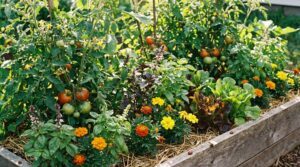
- Peppers and Marigolds: Marigolds are famous for driving away nematodes and aphids, plus they look eye-catching among pepper plants.
- Cucumbers and Sunflowers: Sunflowers provide cucumbers with a living trellis to climb and bring pollinators that help boost cucumber harvests.
These partnerships really pay off for anyone who wants a lowmaintenance garden with fewer hassles and a tastier harvest.
How Companion Planting Helps Your Garden
It’s not just about putting two plants side by side. Understanding how companion planting helps your garden can steer your choices:
- Pest Control: Pairings like onions and carrots make life hard for pests by confusing their sense of smell.
- Better Pollination: Flowers and veggies like borage, nasturtiums, or dill bring in bees and butterflies. That’s great for fruiting plants.
- Improved Growth: Some plants, especially beans, “fix” nitrogen in the soil, adding nutrients for crops like corn or tomatoes to grow tall and vigorous.
- Efficient Use of Space: Fast growers (such as radishes) planted next to slow crops (like carrots) make the most of every spot in your bed or container.
- Physical Protection: Leafy plants like lettuce and squash create shade, keeping soil cooler and holding in moisture as summer heats up.
I’ve found that a thoughtful layout makes a big difference; plants look healthier, your soil stays in better shape, and you run into fewer issues as the season rolls along.
Simple Steps to Start Companion Planting
You don’t need a huge plot of land or years of experience to kick things off. Here’s what’s worked for me and some other beginner gardeners:
- Start Small: No need to redo your entire garden right away. Test a few beds or container pairings; tomatoes with basil or lettuce with radishes are perfect for beginners.
- Read Up on Your Veggies: Track down information on what your favorite plants like and don’t like. The Old Farmer’s Almanac and local university extension websites are super helpful for this.
- Keep a Record: Make notes on what you plant and where, plus how each pairing turns out year to year. Those notes become your best planning tool over time.
- Watch How Your Plants Get Along: Some combos won’t thrive in your specific soil or microclimate. Notice what does well and if something fails, try mixing things up next time.
- Add Flowers and Herbs: These offer bonus perks—herbs typically repel pests, flowers lure pollinators, and both can find their way into your cooking.
If I’m ever puzzled by a combination, I ask around at farmers markets or on gardening forums. Companion planting is always changing as gardeners learn and share fresh ideas.
Common Companion Planting Do’s and Don’ts
While companion planting brings a lot of positives, some plants really don’t play well together. Here are a few practical guidelines from my own trial and error:
- Do:
- Mix herbs in with veggies—plants like dill, cilantro, or mint attract good insects and can turn pests away.
- Group plants by care needs—set thirsty, sunloving plants together, shade fans close by.
- Don’t:
- Plant onions right by beans or peas. Alliums can slow the growth of legumes.
- Keep potatoes apart from tomatoes, peppers, and eggplant. These veggies share diseases and draw the same pests.
- Skip putting fennel among most garden crops. Fennel tends to grow best alone and can hold back growth in neighbors.
What About Crop Rotation?
Companion planting and crop rotation go hand-in-hand. Rotation means not planting the same veggie family in the same spot every year, cutting back on pest and soil headaches. For example, after harvesting beans, plant leafy greens there the next year—taking advantage of the extra nitrogen the beans left in the soil.
Solving Common Companion Planting Problems
Even carefully planned gardens have rough patches. Here’s what I do when things hit a snag:
- Poor Growth: Sometimes a plant shades out a neighbor that needs more sun. Moving them apart or swapping locations should help.
- Pest Surges: If aphids or beetles show up, plant extra trap crops like nasturtiums or switch out any combinations that just aren’t working.
- Disease Issues: Break up blocks of close relatives—like tomatoes, potatoes, and eggplants—to keep diseases from spreading easily.
- Overcrowding: Give each plant space. Squeezing them together can slow everything down or invite slimy pests like slugs.
Real-World Examples
I started my journey with tomatoes and basil in pots and noticed fewer bugs plus sweeter tomatoes that summer. Adopting the Three Sisters method in a small raised bed turned out surprisingly effective; the squash stayed healthier, and the beans climbed higher than when I planted them alone. Each new season is another adventure, and I keep experimenting for even better harvests.
Frequently Asked Questions About Companion Planting
Here are a few of the questions I get most often from fellow gardeners:
Question: How do I know which plants are good companions?
Answer: Charts from gardening clubs or university resources are great tools. Try a few suggested pairings—pretty soon the favorites will stick in your mind.
Question: Can I do companion planting in containers?
Answer: Absolutely. Pair easy combos like basil and cherry tomatoes, or tuck lettuce under peas. Just keep in mind each plant’s watering needs so nothing dries out or stays too soggy.
Question: Does companion planting stop all garden pests?
Answer: It cuts down on pest problems, but isn’t a magic fix. Sometimes the bugs will still show up. Keep an eye out for trouble and don’t hesitate to try swapping combinations if needed.
Getting the Most from Your Garden
Companion planting supports a stronger, more productive garden without relying on chemical sprays. Every patch of soil behaves a bit differently, so experiment, jot down your success stories (and flops), and ask for help if you get stuck. Most of my wins came from basic combinations and making sure plants have both the space and the neighbors they enjoy. After a couple of seasons, you’ll start to spot patterns and fine-tune your own special mix. Happy gardening!