When Should I Plant My Spring Garden?

Planning a spring garden is always exciting, but knowing when to actually start planting can be the tricky part. Planting too early can leave delicate sprouts shivering through a late frost, while starting too late might cut the growing season short. Getting the timing right really boosts your chance for a thriving garden full of veggies and flowers.
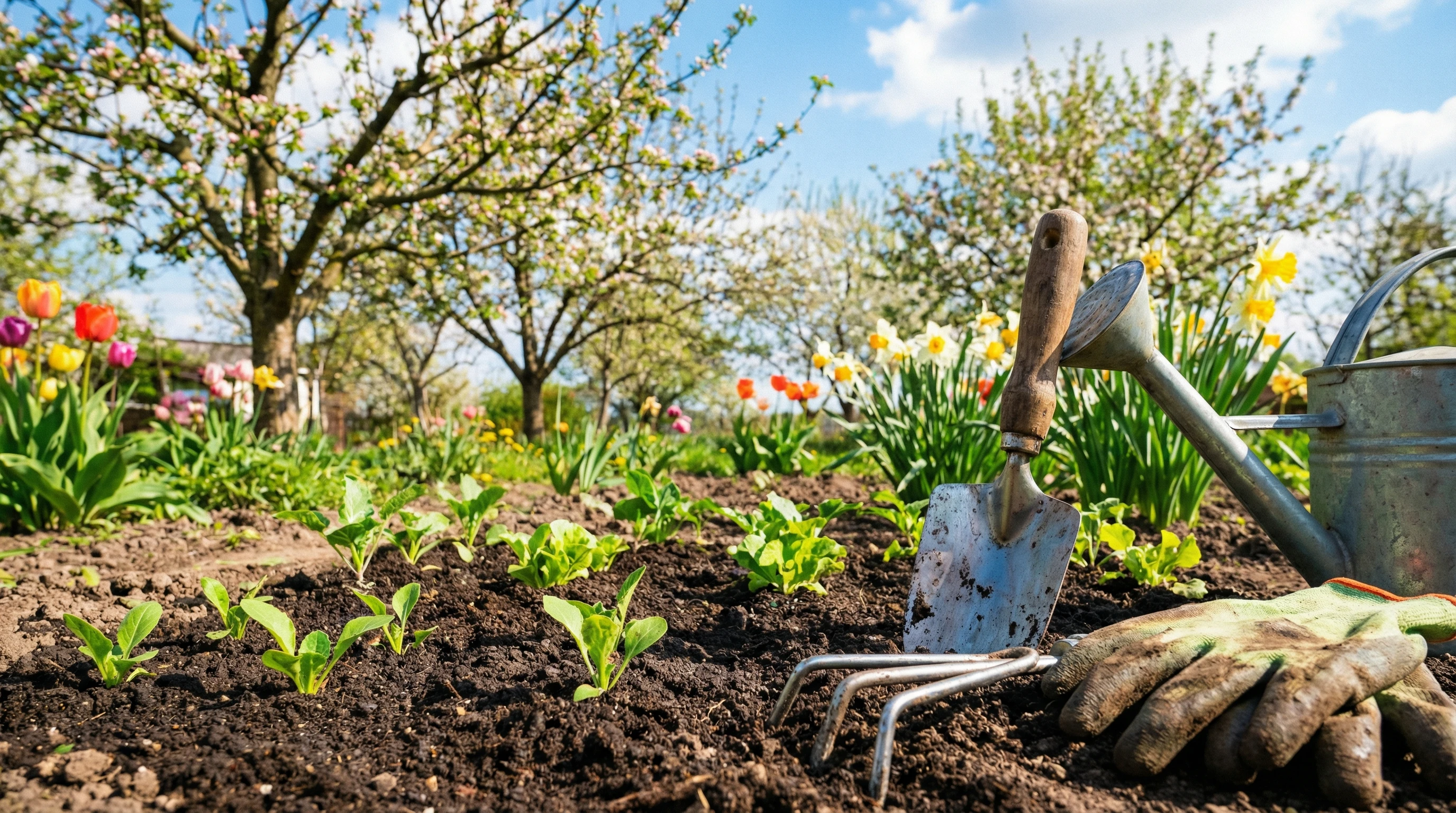
A vibrant spring garden with sprouting vegetable and flower seedlings among moist soil patches, with gardening tools nearby. Bright skies and budding trees in the background.

Why Timing Your Spring Planting Matters

Timing isn’t just a detail in the world of gardening; it’s one of the first things I look at when I want a successful season. Plants count on the right mix of daylight, temperature, and soil warmth to grow strong. If planted at the wrong time, seeds might rot in cold soil or get stunted by chilly nights. Timing helps gardeners avoid setbacks and use each plant’s growth window to the fullest.

Over the years, I’ve learned that many common spring garden veggies, such as tomatoes and beans, can be fussy about temperature. Flowers aren’t much different; some bloomers handle cool weather easily, while others really shine only when nights get consistently warm. Learning a little about plant-friendly timing makes gardening less stressful and much more fun.

Understanding Your Local Climate and Last Frost Dates

One big piece of the puzzle is figuring out the last frost date in your area. Where I live, garden centers always have this marked on the calendar, and it shapes how and when I start almost every plant. The “last expected frost date” is the average time when nighttime temps should stay reliably above freezing. Nothing can guarantee zero cold snaps, but it’s a solid reference point.

You can look up your own last frost date through your local Hardiness Zone map, by checking your local extension office, or even asking nearby gardeners. Many regions even have microclimates, so folks just a few miles apart can have slightly different start dates. Good habits include keeping a garden journal and watching how the weather behaves year to year. Having notes to compare is helpful for making your plans.

Starting Seeds Indoors vs. Planting Directly Outside

Some plants love being started inside, away from unpredictable early spring weather. Others just prefer to go straight in the dirt. Deciding where and when to start seeds depends on what you want to grow and how much fuss you’re up for.

  • Indoor Seed Starting: Tomatoes, peppers, and some flowers (like zinnias and cosmos) get a huge head start when grown inside about 6 to 8 weeks before the last frost. This keeps them warm, safe, and gives you a little more control.
  • Direct Sowing: Radishes, carrots, peas, and lettuce often do better when planted right in the garden once soil can be worked, even if a light frost is still possible. These cool loving crops can handle chilly weather way better than tender vegetables.

I like to set up a seed tray station indoors by a sunny window, then prep my outdoor beds for hardy crops at the same time. By the time transplanting day rolls around, it’s pretty satisfying to see tiny green seedlings ready for the next step.

Soil Temperature: The Overlooked Secret

Gardeners often focus only on air temperature, but what’s happening under the soil makes a big difference. Most seeds germinate best when the soil is warm enough. For instance, beans and squash need about 60°F to 70°F, but peas and spinach will sprout even when it’s as low as 45°F.

I use a simple soil thermometer to check daily in early spring; it’s way more accurate than guessing. If you push seeds into cold dirt, they just sit there, making them vulnerable to rot and pests. Covering beds with black plastic for a few days can help heat the soil, making it friendly for warmth loving crops.

Spring Planting Cheat Sheet: When to Plant Popular Crops

Here’s a list of some popular spring crops and how I time their planting:

  • Peas, Spinach, Radishes: Direct sow outdoors 4 to 6 weeks before your last frost date. These guys thrive in cool weather.
  • Carrots, Beets, Lettuce: Sow outside 2 to 4 weeks before the last frost. If you have a cold frame or row cover, start even sooner.
  • Broccoli, Cabbage: Start seeds indoors 6 to 8 weeks ahead, then set outside 2 to 3 weeks before the last frost, once seedlings are tough enough.
  • Tomatoes, Peppers, Eggplant: Start indoors 6 to 8 weeks before the last frost and don’t move them outside until nighttime temps stay above 50°F and the threat of frost is completely over.
  • Beans, Corn, Squash, Melons: Sow seeds directly outdoors about 1 to 2 weeks after the last frost, when soil is good and warm.

Prepping Your Garden Beds for Spring

Even if it’s too cold for planting, early spring is the best time to get the ground ready. Healthy soil means stronger plants and less hassle later in the season.

I usually start by clearing old plant debris and weeds, then mixing in compost or well rotted manure. Loosening the soil with a fork helps roots find their way down. For heavy clay, adding compost and even a handful of sand makes a huge difference. Mulching paths keeps the area tidy and helps trap warmth in beds once seeds go in.

Testing your soil’s nutrients before you plant can offer more insight. At home kits are easy to use and make it simple to figure out if you should add extra amendments like lime or phosphorus. Thriving gardens often start with well nourished soil, and setting up beds in advance lets you correct any issues before seedlings need to dig in.

Watching Out for Weather Surprises

Spring weather loves to keep gardeners guessing. Even if you plant at the right time, surprise cold snaps or heavy rain can throw plans off. I keep an old bedsheet or floating row cover stashed in my tool shed, just in case frost is in the forecast. Lightweight covers can save tender seedlings from damage and give everything a little extra protection until temps are reliably steady.

If you happen to get a week of steady rain, sometimes it’s better to wait a few days to plant. Soggy soil can suffocate seeds or make transplanting a pain. Good drainage, raised beds, and planting in slightly mounded rows really help in those years when the weather feels unpredictable.

Common Challenges When Starting a Spring Garden

  • Late Frost: Even if your calendar says it’s planting time, always be prepared for a sneaky cold night. Row covers, cloches, and careful monitoring can help prevent losses.
  • Pest and Disease Pressure: Cool spring soil attracts cutworms, snails, and slugs, especially during wet spells. Mulching, crop rotation, and keeping the area tidy can cut down on pest issues.
  • Uneven Germination: If seeds pop up spotty or not at all, cool or compacted soil is often to blame. Adding compost and waiting for a warm stretch usually helps.
  • Timing Overlap: With a bunch of different crops, juggling indoor starts and outdoor plantings can feel busy. A simple calendar or free planting reminder app helps me stay on track.

Managing Common Spring Pests

Spring’s mild weather also wakes up hungry bugs. I like to check seedlings every morning for holes or trails. If pests show up, handpicking, spreading crushed eggshells, or using organic options such as diatomaceous earth can really cut down on damage without fuss.

Handling Unpredictable Weather

It seems to happen every season! Sometimes, I move potted seedlings indoors overnight, or cover rows with blankets. Gardening apps with weather alerts also come in handy for quick warnings about sudden cold snaps or storms. Being flexible with your plan is really important for spring gardens.

Quick Tips For a Smoother Spring Garden Start

  1. Know Your Frost Date: Mark yours on the calendar, and use it to count back for seed starting or forward for warm weather crops.
  2. Test Your Soil: Grab a soil thermometer, check warmth, and don’t rush seeds into chilly dirt.
  3. Use Row Covers and Cold Frames: These simple protections can make a big difference early in the season.
  4. Prep Beds Early: The earlier you can clean up and amend soil, the smoother planting will go.
  5. Stagger Planting: Don’t plant every seed at once. Space out plantings for a longer harvest window.

Backing up your gardening with these tips keeps stress low and results high, even for new gardeners. It takes time to get the feel for your local start dates, so be patient with yourself and check in with experienced neighbors for extra advice.

Frequently Asked Questions

Question: Can I plant before the last frost date?
Answer: Some cool season veggies and flowers are tough enough for early planting, but always read seed packets for specific instructions and be ready to cover plants if frost threatens.


Question: How early should I start seeds indoors?
Answer: Most veggies and flowers do best when started 6 to 8 weeks before the final frost. Double check recommendations for each crop since timing varies a bit.


Question: Is it safe to plant if daytime temps are warm but nights are cold?
Answer: Wait until both day and night temps are consistently mild, especially for tomatoes, peppers, and other warm season crops. Seeds and seedlings are tough, but late frosts can knock them back hard.


Question: How do I know if my soil is ready for planting?
Answer: Grab a handful and squeeze. It should crumble, not clump. Too wet soil stays sticky, while too dry earth won’t hold seed. Aim for moist, loose soil for easy planting.


Starting a spring garden is all about watching weather, paying attention to your soil, and matching plant choices to your local climate. Whether you’re starting seeds inside or want to get dirty outside as soon as winter melts away, a little planning really pays off. Keeping notes, being flexible, and talking to other gardeners in your area adds even more joy (and success) to spring planting, year after year.

Leave a Comment

When Should I Plant My Spring Garden?

Planning a spring garden is always exciting, but knowing when to actually start planting can be the tricky part. Planting too early can leave delicate sprouts shivering through a late frost, while starting too late might cut the growing season short. Getting the timing right really boosts your chance for a thriving garden full of veggies and flowers.

A vibrant spring garden with sprouting vegetable and flower seedlings among moist soil patches, with gardening tools nearby. Bright skies and budding trees in the background.

Why Timing Your Spring Planting Matters

Timing isn’t just a detail in the world of gardening; it’s one of the first things I look at when I want a successful season. Plants count on the right mix of daylight, temperature, and soil warmth to grow strong. If planted at the wrong time, seeds might rot in cold soil or get stunted by chilly nights. Timing helps gardeners avoid setbacks and use each plant’s growth window to the fullest.

Over the years, I’ve learned that many common spring garden veggies, such as tomatoes and beans, can be fussy about temperature. Flowers aren’t much different; some bloomers handle cool weather easily, while others really shine only when nights get consistently warm. Learning a little about plant-friendly timing makes gardening less stressful and much more fun.

Understanding Your Local Climate and Last Frost Dates

One big piece of the puzzle is figuring out the last frost date in your area. Where I live, garden centers always have this marked on the calendar, and it shapes how and when I start almost every plant. The “last expected frost date” is the average time when nighttime temps should stay reliably above freezing. Nothing can guarantee zero cold snaps, but it’s a solid reference point.

You can look up your own last frost date through your local Hardiness Zone map, by checking your local extension office, or even asking nearby gardeners. Many regions even have microclimates, so folks just a few miles apart can have slightly different start dates. Good habits include keeping a garden journal and watching how the weather behaves year to year. Having notes to compare is helpful for making your plans.

Starting Seeds Indoors vs. Planting Directly Outside

Some plants love being started inside, away from unpredictable early spring weather. Others just prefer to go straight in the dirt. Deciding where and when to start seeds depends on what you want to grow and how much fuss you’re up for.

  • Indoor Seed Starting: Tomatoes, peppers, and some flowers (like zinnias and cosmos) get a huge head start when grown inside about 6 to 8 weeks before the last frost. This keeps them warm, safe, and gives you a little more control.
  • Direct Sowing: Radishes, carrots, peas, and lettuce often do better when planted right in the garden once soil can be worked, even if a light frost is still possible. These cool loving crops can handle chilly weather way better than tender vegetables.

I like to set up a seed tray station indoors by a sunny window, then prep my outdoor beds for hardy crops at the same time. By the time transplanting day rolls around, it’s pretty satisfying to see tiny green seedlings ready for the next step.

Soil Temperature: The Overlooked Secret

Gardeners often focus only on air temperature, but what’s happening under the soil makes a big difference. Most seeds germinate best when the soil is warm enough. For instance, beans and squash need about 60°F to 70°F, but peas and spinach will sprout even when it’s as low as 45°F.

I use a simple soil thermometer to check daily in early spring; it’s way more accurate than guessing. If you push seeds into cold dirt, they just sit there, making them vulnerable to rot and pests. Covering beds with black plastic for a few days can help heat the soil, making it friendly for warmth loving crops.

Spring Planting Cheat Sheet: When to Plant Popular Crops

Here’s a list of some popular spring crops and how I time their planting:

  • Peas, Spinach, Radishes: Direct sow outdoors 4 to 6 weeks before your last frost date. These guys thrive in cool weather.
  • Carrots, Beets, Lettuce: Sow outside 2 to 4 weeks before the last frost. If you have a cold frame or row cover, start even sooner.
  • Broccoli, Cabbage: Start seeds indoors 6 to 8 weeks ahead, then set outside 2 to 3 weeks before the last frost, once seedlings are tough enough.
  • Tomatoes, Peppers, Eggplant: Start indoors 6 to 8 weeks before the last frost and don’t move them outside until nighttime temps stay above 50°F and the threat of frost is completely over.
  • Beans, Corn, Squash, Melons: Sow seeds directly outdoors about 1 to 2 weeks after the last frost, when soil is good and warm.

Prepping Your Garden Beds for Spring

Even if it’s too cold for planting, early spring is the best time to get the ground ready. Healthy soil means stronger plants and less hassle later in the season.

I usually start by clearing old plant debris and weeds, then mixing in compost or well rotted manure. Loosening the soil with a fork helps roots find their way down. For heavy clay, adding compost and even a handful of sand makes a huge difference. Mulching paths keeps the area tidy and helps trap warmth in beds once seeds go in.

Testing your soil’s nutrients before you plant can offer more insight. At home kits are easy to use and make it simple to figure out if you should add extra amendments like lime or phosphorus. Thriving gardens often start with well nourished soil, and setting up beds in advance lets you correct any issues before seedlings need to dig in.

Watching Out for Weather Surprises

Spring weather loves to keep gardeners guessing. Even if you plant at the right time, surprise cold snaps or heavy rain can throw plans off. I keep an old bedsheet or floating row cover stashed in my tool shed, just in case frost is in the forecast. Lightweight covers can save tender seedlings from damage and give everything a little extra protection until temps are reliably steady.

If you happen to get a week of steady rain, sometimes it’s better to wait a few days to plant. Soggy soil can suffocate seeds or make transplanting a pain. Good drainage, raised beds, and planting in slightly mounded rows really help in those years when the weather feels unpredictable.

Common Challenges When Starting a Spring Garden

  • Late Frost: Even if your calendar says it’s planting time, always be prepared for a sneaky cold night. Row covers, cloches, and careful monitoring can help prevent losses.
  • Pest and Disease Pressure: Cool spring soil attracts cutworms, snails, and slugs, especially during wet spells. Mulching, crop rotation, and keeping the area tidy can cut down on pest issues.
  • Uneven Germination: If seeds pop up spotty or not at all, cool or compacted soil is often to blame. Adding compost and waiting for a warm stretch usually helps.
  • Timing Overlap: With a bunch of different crops, juggling indoor starts and outdoor plantings can feel busy. A simple calendar or free planting reminder app helps me stay on track.

Managing Common Spring Pests

Spring’s mild weather also wakes up hungry bugs. I like to check seedlings every morning for holes or trails. If pests show up, handpicking, spreading crushed eggshells, or using organic options such as diatomaceous earth can really cut down on damage without fuss.

Handling Unpredictable Weather

It seems to happen every season! Sometimes, I move potted seedlings indoors overnight, or cover rows with blankets. Gardening apps with weather alerts also come in handy for quick warnings about sudden cold snaps or storms. Being flexible with your plan is really important for spring gardens.

Quick Tips For a Smoother Spring Garden Start

  1. Know Your Frost Date: Mark yours on the calendar, and use it to count back for seed starting or forward for warm weather crops.
  2. Test Your Soil: Grab a soil thermometer, check warmth, and don’t rush seeds into chilly dirt.
  3. Use Row Covers and Cold Frames: These simple protections can make a big difference early in the season.
  4. Prep Beds Early: The earlier you can clean up and amend soil, the smoother planting will go.
  5. Stagger Planting: Don’t plant every seed at once. Space out plantings for a longer harvest window.

Backing up your gardening with these tips keeps stress low and results high, even for new gardeners. It takes time to get the feel for your local start dates, so be patient with yourself and check in with experienced neighbors for extra advice.

Frequently Asked Questions

Question: Can I plant before the last frost date?
Answer: Some cool season veggies and flowers are tough enough for early planting, but always read seed packets for specific instructions and be ready to cover plants if frost threatens.


Question: How early should I start seeds indoors?
Answer: Most veggies and flowers do best when started 6 to 8 weeks before the final frost. Double check recommendations for each crop since timing varies a bit.


Question: Is it safe to plant if daytime temps are warm but nights are cold?
Answer: Wait until both day and night temps are consistently mild, especially for tomatoes, peppers, and other warm season crops. Seeds and seedlings are tough, but late frosts can knock them back hard.


Question: How do I know if my soil is ready for planting?
Answer: Grab a handful and squeeze. It should crumble, not clump. Too wet soil stays sticky, while too dry earth won’t hold seed. Aim for moist, loose soil for easy planting.


Starting a spring garden is all about watching weather, paying attention to your soil, and matching plant choices to your local climate. Whether you’re starting seeds inside or want to get dirty outside as soon as winter melts away, a little planning really pays off. Keeping notes, being flexible, and talking to other gardeners in your area adds even more joy (and success) to spring planting, year after year.

Leave a Comment