Sustainable gardening isn’t just about growing pretty flowers or a few juicy tomatoes. It’s a way of making sure your garden supports the environment, uses resources wisely, and sticks around for the long haul. The idea is to care for your piece of earth so it keeps giving back for years to come, without causing harm. If you want to create an outdoor space that feels good and does good, sustainable gardening is a smart place to start.
What Does Sustainable Gardening Mean?
At its core, sustainable gardening is all about gardening in a way that respects and protects nature. It’s about growing plants while keeping things like water, soil, and wildlife healthy. This style of gardening uses less chemical fertilizer, reduces waste, and builds a little ecosystem right where you live.
Back in the day, gardens were often focused on looks or big yields, sometimes at the expense of the local environment. But today, more people want to garden in a way that fits with what nature needs. Using fewer synthetic chemicals, recycling organic waste, and picking the right plants all matter. According to resources from non-profits like the Xerces Society, gardeners who use these principles can help pollinators, birds, and even improve the local climate.
This approach to gardening lines up closely with what’s recommended by groups like the Royal Horticultural Society and EPA Greenscapes. They show that sustainable gardening is more than a passing trend. It’s a set of practices rooted in real-world science and experience that gardeners everywhere can benefit from. When you care for your garden with sustainability in mind, you’re also supporting healthier communities and a stronger environment overall.
Getting Started with Sustainable Gardening
Switching to a sustainable garden isn’t a giant leap; it’s about making thoughtful choices that add up. You don’t have to scrap everything and start over. Even small tweaks can make a real difference in water use, soil health, and helping wildlife thrive.
- Pick Native Plants: Plants that belong in your area are usually easier to grow. They handle local weather better, need less water, and help critters like bees and butterflies find what they need. Local nurseries often have guides or sections dedicated to plants native to your climate, so check those out for inspiration.
- Feed Your Soil Naturally: Use things like compost, leaf mulch, and even coffee grounds. Healthy soil means strong plants and holds onto water better, so you won’t have to water as much. Building soil health over time creates a solid foundation yielding more productive gardens each year.
- Save Rainwater: Setting up a rain barrel or two can really cut down on your need for tap water, especially when things get dry. Even a single rain barrel can make a noticeable dent in your monthly water bill, and it’s a great example for kids or neighbors, too.
For folks just starting out, make a list of what you use most in your current garden and see what you can swap out for a greener option. For example, use hand tools or battery powered gear instead of loud gas powered equipment. Hanging onto grass clippings as mulch or planting a few perennial flowers also helps reduce yard waste over time. Looking for drought tolerant varieties and choosing plants with dual purposes (beauty and food, for instance) helps your garden stand up to changing weather while giving you flexibility in your plans.
Quick Tips for Making Your Garden More Sustainable
Even if you’ve got a garden going already, there are plenty of ways to make things a little greener and save resources. Here are a few practical changes you might want to try:
- Use Less Lawn: Lawns are water-hungry and often need chemical help to look good. Swap out some grass for native flowers or ground covers that get by with less. Less lawn also means less mowing, which saves time and reduces emissions from gasoline mowers.
- Test Your Soil: Knowing what your soil needs helps you avoid over-fertilizing, which can run off and pollute streams. Many counties offer low-cost soil tests and can give you specific recommendations for your area.
- Make Your Own Compost: Kitchen scraps and yard waste can turn into great fertilizer over time. Composting is easy once you get the hang of it, and it keeps mountains of waste out of landfills every year.
- Plant Trees for Shade: Well placed trees can cool your house and garden, saving on energy and watering. Choose varieties that fit your yard—and check for ones that support wildlife like birds and squirrels, giving your yard more life.
- Skip the Pesticides When You Can: If you do need to handle pests, opt for natural solutions and encourage helpful bugs, like ladybugs and lacewings, instead. Companion planting and rotating crops can also help keep insect populations in balance without chemical sprays.
Making just a couple of these tweaks can save money, create less waste, and help your garden become a friendlier place for birds and insects. Little by little, you’ll notice your outdoor space feeling more alive, with more sounds and sights to enjoy each season.
Common Roadblocks and How to Tackle Them
Sustainable gardening, like any new habit, comes with its quirks. Some of the most common challenges include:
- Dealing with Weeds: If you cut back on herbicides, weeds will try to move in. Mulching with leaves or bark helps block light, and regular weeding sessions do the rest. Mulch can also add a finished look to flower beds and makes soil improvement easier over time.
- Water Worries: While native plants help, dry spells can still be a pain. Drip irrigation or soaker hoses send water where it’s needed, so less goes to waste. Grouping plants with similar water needs helps, too, making watering more efficient and saving time on maintenance.
- Soil Problems: If your soil is sandy or heavy, adding organic matter works wonders. Compost, shredded leaves, or even well rotted manure can boost any dirt. Over a few seasons, you’ll spot a difference in plant vigor and water retention.
- Plant Pests: Without synthetic sprays, bugs can seem tough to control. Attracting insect eaters (like birds or frogs) and picking disease resistant plant varieties helps keep things in check. Regularly checking the underside of leaves and removing any obvious pests by hand can reduce problems, too.
Dealing with Weeds
Weeding is never fun, but keeping up with it in short bursts (instead of a big, dreaded job) makes things easier. Mulch isn’t just about looks; it locks moisture in and keeps most weed seeds from seeing the sun. Cardboard covered with wood chips or fall leaves can make a huge difference in vegetable beds and around shrubs.
Water Conservation
Water-smart gardening is really important for sustainability. Collecting rainwater, watering in the early morning, and using drip systems all help make sure every drop goes farther. Skip shallow daily watering and aim for a deep soak less often; this encourages strong, drought tolerant roots that will help your garden thrive even during hot periods. Watch for signs of overwatering, such as yellowing leaves, and adjust accordingly to keep your plants healthy without wasting water.
Soil Improvement
If your soil feels lifeless, don’t worry; most yards start that way. Building it up with compost or worm castings is a long term fix. Testing your soil every couple of years helps you know if you really need to add anything special, like lime or extra nutrients, instead of guessing. Healthy soil is the secret to resilient plants and better yields, so keep adding organic material every season for the best results.
Pest Control Without Chemicals
Inviting birds to your yard with shrubs and birdbaths can help cut pest numbers. Planting a mix of flowers and herbs like marigold, yarrow, or dill brings in beneficial bugs. If you see aphids, for example, a little blast of water or a visit from ladybugs usually clears them up without heavy sprays. Rotating crops in your vegetable patch and clearing out plant debris at the end of the season also cut down on pests and diseases naturally.
Sticking with these solutions pays off by making your garden easier and cheaper to care for as time goes on. It’s much more rewarding to see your garden fill up with life, rather than just fighting to keep it tidy and pest free.
Next-Level Ideas: Going Beyond the Basics
Once you’ve got the basics down, there’s a lot you can do to create a super healthy garden ecosystem that stands out and helps the greater environment, too. Jump in and experiment with different garden setups or share ideas with your gardening friends; you may stumble upon something unexpected that fits perfectly in your space.
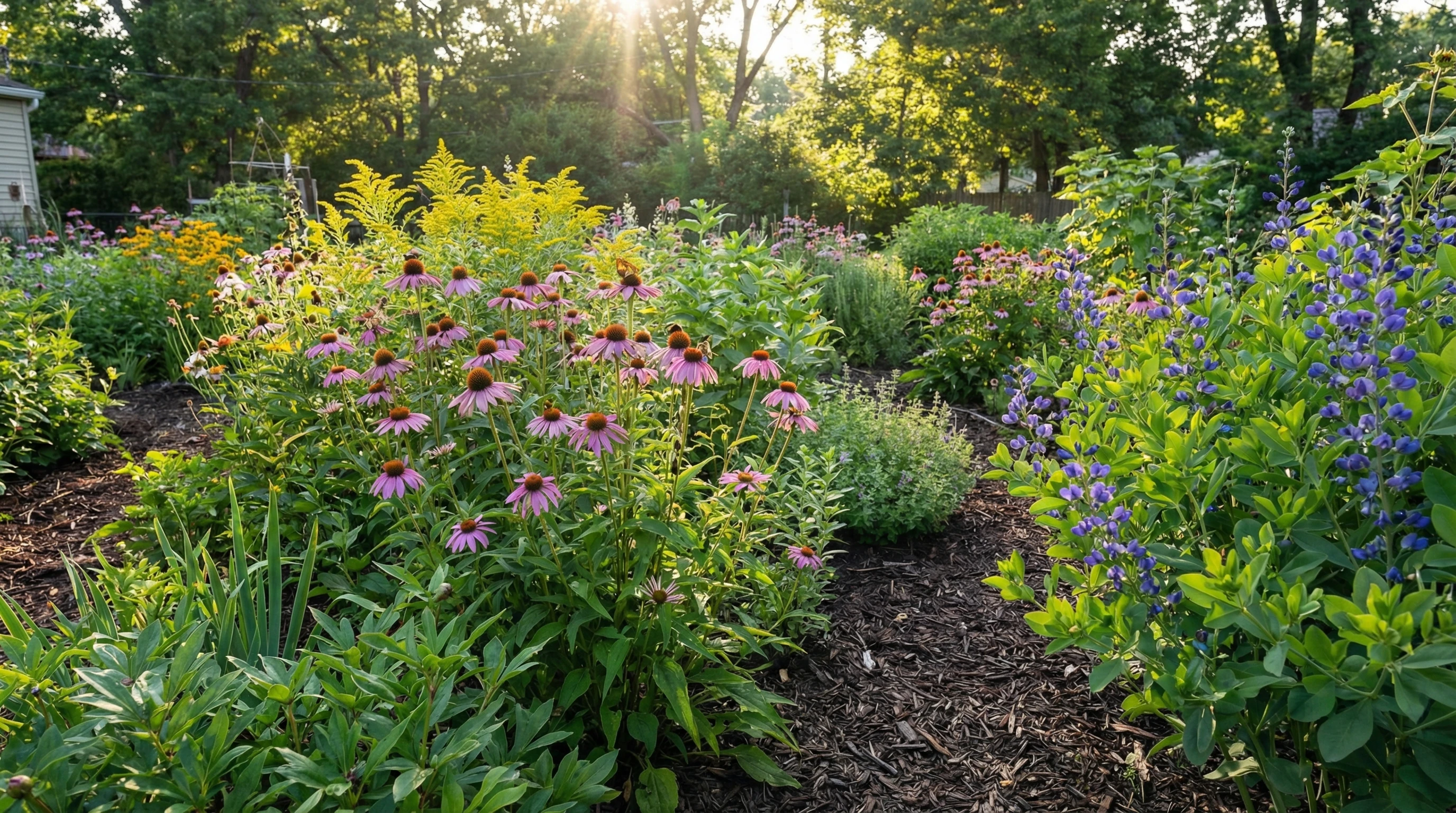
Build Pollinator Habitats: Setting aside a patch for wildflowers or installing a bee hotel isn’t hard, and it brings pollinators flocking to your garden. You can even try growing milkweed to support monarch butterflies. Creating little water stations using shallow dishes with stones helps bees and butterflies stay hydrated, especially in summer.
Grow Your Own Food: Even a few pots of herbs or salad greens in a small yard or balcony save on food miles and reduce packaging waste. Mixing veggies into flower beds (a practice called edible landscaping) looks good and helps support more good bugs. Planting food items you use most frequently makes harvesting convenient and satisfying.
Let Parts of Your Garden Go “Wild”: A few unmowed patches of grass or a loose hedgerow of native shrubs offer shelter and food for wildlife year-round. Wood piles, rock crevices, and even a small log left to rot give birds, insects, and other creatures places to thrive right in your backyard.
These next-level steps not only benefit your backyard but contribute to local ecosystems and can even inspire neighbors to join in. Adding any of these ideas to your garden helps build up healthy soil, cut your use of pesticides, and even create learning opportunities for your friends or kids. Over time, your yard can become a little oasis for birds, butterflies, and more. You might even find yourself connecting with other gardeners to swap seeds or share native plant cuttings, further strengthening your community’s connection to nature.
Frequently Asked Questions
Newcomers to sustainable gardening often ask a few of the same questions. Here are answers to the things I wondered about when I started out:
Question: How do I start composting if I have a small space?
Answer: There are worm bins and compact tumblers that fit right on patios or balconies. Even in a tiny yard, a covered pile at the edge tucked behind a shrub works well. Just avoid composting meat, dairy, or greasy foods to keep pests away. Aerate your compost every now and then, and you’ll be rewarded with dark, crumbly soil for your plants within a few months.
Question: Do native plants look messy or wild?
Answer: Native plants have a reputation for looking wild, but grouping them with some neat edging or mixing them into classic flower beds helps them blend nicely. Plus, you get great color, textures, and more bees or butterflies to watch. Over time, you can fine-tune your arrangements to create a relaxed but tidy effect, combining wild beauty with structure. Don’t be afraid to cut back or tidy things up if it helps the look you want.
Question: Is sustainable gardening more expensive?
Answer: There can be some up-front costs, like buying rain barrels or a few new plants. But over time, the need for fertilizer, water, and gas for mowers drops, so it’s usually cheaper in the long run. Making your own compost from kitchen and yard scraps is free, too. Also, swapping cuttings or seeds with neighbors is a fun and cost-saving way to add variety to your garden.
Getting the Most out of Your Sustainable Garden
Sustainable gardening is an adventure, not a finish line you cross. As you experiment and see what works in your yard, you’ll get better at picking the right plants, building healthy soil, and working with wildlife instead of against it. Checking in with local garden clubs or expert-run websites (like Gardener’s Supply) adds plenty of fresh ideas. You’ll quickly see that doing good for the earth doesn’t have to mean sacrificing style or your own taste in plants.
Give it a try, and you’ll start to notice your garden not just growing, but thriving—full of color, birds, butterflies, and even tastier veggies. Every little step counts for the planet, and your backyard is the perfect place to roll up your sleeves and dig in.