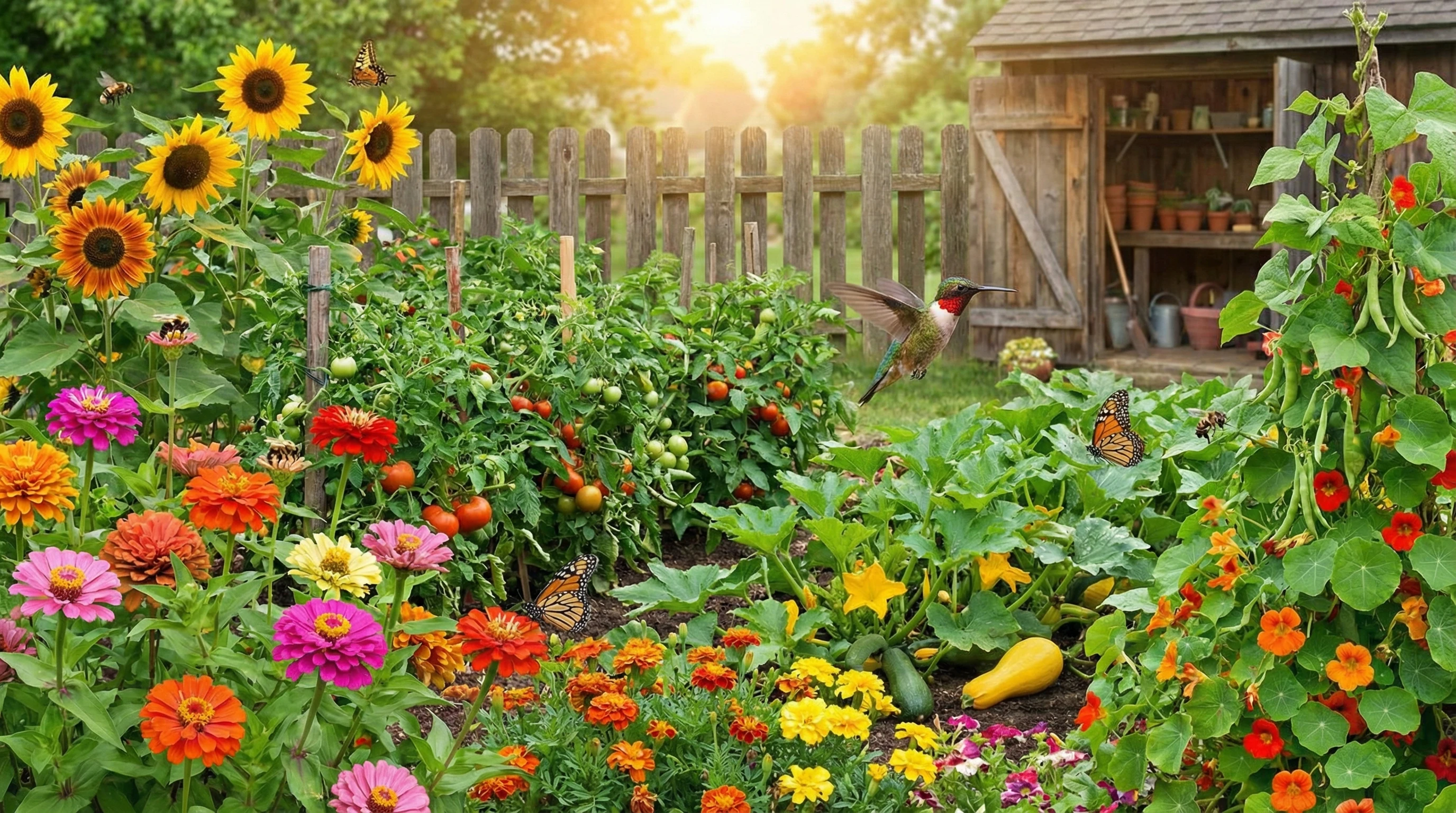
Bringing pollinators like bees, butterflies, and hummingbirds into a backyard vegetable garden pays off with fuller harvests and more vibrant plants. I’ve seen firsthand how a garden buzzes with life once it’s friendly to pollinators. It’s not just about making the space look pretty. It actually leads to better fruit set and heavier veggie yields. There are all sorts of strategies for attracting these helpful visitors, so I’m sharing tips that are easy to follow for any backyard gardener, whether you’re just starting out or have been getting your hands dirty for years.
Why Pollinators Matter in Your Vegetable Garden
Pollinators are a big deal for anyone growing veggies. They transfer pollen between flowers, which kickstarts the process that lets plants produce fruits and seeds. Without pollinators, many garden favorites like tomatoes, squash, peppers, cucumbers, and even melons would produce less or sometimes nothing at all. I’ve grown tomatoes in areas with few pollinators and ended up with weak yields, but after adding more flowers and habitat, the turnaround is huge.
Backyard gardens are especially important for pollinators since modern landscapes and pesticides are making their wild habitats disappear. By making gardens more welcoming, everyone helps keep pollinator numbers strong. Even a small patch of blooms can offer valuable support in an increasingly urbanized world. Your efforts create not just food, but a living connection to nature right outside your door.
Getting Started: Basics of Attracting Pollinators
Making your vegetable plot pollinatorfriendly doesn’t require a full garden makeover. Even a few small changes will help. I find it helpful to look at what pollinators need: food, water, shelter, and somewhere safe from chemicals. Here are some fundamentals that set a strong foundation:
- Mix flower types. Grow flowers with a range of shapes, sizes, and blooming times to invite a wider mix of pollinators all season long.
- Avoid harsh pesticides. Choose natural pest control or use physical barriers like row covers to keep chemicals out of your pollinator party.
- Provide water. A dish filled with pebbles and water or a shallow birdbath offers a handy drink stop for busy bees and butterflies.
It also makes a big difference to avoid monoculture in your garden beds. Mixing vegetable crops with herbs, flowers, and perennials sets up a diverse environment that supports multiple types of pollinators, each with their own preferences. Plants that attract beneficial bugs can also help reduce pests and promote a thriving mini-ecosystem.
Top Plants for Drawing in Pollinators
Flowers and flowering herbs are like a big neon sign for pollinators. It’s really satisfying to watch how quickly the garden livens up after adding even a few. Here are some standouts that have worked well for me and in other thriving gardens:
- Borage. With its starshaped blue flowers, borage is a big hit with bees all season. It selfseeds so there’s no need to keep planting every year.
- Lavender. Fragrant and easy to grow, lavender is a real favorite for bees and some butterflies. It also looks good lining pathways.
- Calendula. These cheerful orange and yellow flowers bring bees in droves and bloom early and late into the season.
- Coneflower (Echinacea). Bees, butterflies, and even finches stop by when these big purple blooms are around.
- Basil, oregano, and thyme. Flowering herbs are convenient in the kitchen and offer up nectar if you let a few bloom.
- Sunflowers. The big yellow blooms are like a landing pad for all sorts of pollinators and even produce seeds for birds later on.
Native wildflowers and regional blooming perennials also do a solid job since local pollinators recognize and use them. If you’re not sure which species to pick, try checking with a local nursery or conservation group to track down the best options for your area. Some great native wildflowers include milkweed, blackeyed Susan, and coreopsis, all reliable for pollinator support.
Quick HowTo: Make Your Garden More Inviting for Pollinators
Small steps in the layout and plant choices can make a big difference. Here’s what works well in my garden and many others:
- Plan for continuous blooms. Space out different flower varieties so there’s always something blooming from early spring to late fall.
- Group flowers together. Larger patches of a single color or type are easier for pollinators to spot than single plants scattered around.
- Add shelter. Leave some untidy corners with leaf litter, small wood piles, or native grasses for nesting and hiding, especially helpful for native bees.
- Include vertical elements. Trellises, fences, or tall sunflowers can double as perches and safe resting places for pollinators like butterflies.
- Keep it organic. Compost and mulch, instead of synthetic fertilizers and sprays, support a healthy pollinatorfriendly ecosystem.
Making your garden eye catching to pollinators isn’t limited to plant choices. Placing rocks, logs, or small piles of sticks can add both texture and hiding places for insects, boosting biodiversity. Don’t forget to keep a few wild corners—structured chaos can attract more species and make insect life easier.
Smart Steps To Take Before You Rework the Garden
Revamping a garden to support pollinators doesn’t have to be a major project, but a bit of thinking ahead helps a lot. Here are some things I check before adding new plants or features:
- Bloom times. List what you already have and check if there are gaps in bloom periods. Filling those gaps helps pollinators reliably find food all year.
- Layered planting. Mix tall, medium, and short plants so there’s a multistory effect. This creates more shelter options and makes the garden feel lively.
- Go for variety. Mixing flower and vegetable types means if one variety struggles, others will still attract and support pollinators.
- Check local guides. Many gardening extension offices and native plant groups have awesome plant lists shaped for your region’s pollinators.
- Spot for features. Think about where to add things like a simple bug hotel, shallow water basin, or border of wildflowers.
Bloom Times and Flower Variety
Stacking bloom times isn’t hard, but it pays off. Early season flowers like crocuses and chives wake up pollinators after winter. Mid-summer stars like zinnias and cosmos keep bees and butterflies visiting during veggie prime time. Late bloomers like goldenrod or asters feed pollinators when other food dries up. By planting for a rolling bloom schedule, you ensure there’s always a snack bar open for pollinators, making your garden a nonstop buffet.
Shelter and Nesting Spots
Pollinators need safe spots to rest and nest. Bumble bees sometimes nest at ground level, and mason bees love hollow stems or predrilled wood blocks. I’ve even left a little patch of bare soil since some bees burrow in the ground. Adding a bee house or letting some flower stems stand through winter creates much-needed real estate for next spring’s visitors.
Natural Controls Instead of Pesticides
Switching to nonchemical pest management protects pollinators, since many sprays harm them. I use row covers, handpicking pests, and inviting helpful bugs like ladybugs or lacewings. If I really need something more, there are targeted products like neem oil, but I only use them in the evening when pollinators aren’t active. The fewer chemicals, the healthier the tiny ecosystem buzzing just above the soil.
Watering Spots and Mud Puddles
Bees need water, especially in hot weather. A shallow saucer filled with stones and water gives them a safe landing. Some butterflies love wet soil, so a little mud patch never hurts either. A few scattered puddles can be both functional and next level cool in the garden design, all while supporting wildlife.
Pro Tips to Take Up Your Pollinator Garden
After nailing the basics, there are a few tweaks to really kick things up:
Extend blooming with succession planting. Plant the same quickblooming flowers in intervals so pollinators always find something fresh.
Let some veggies flower. If you’ve got extra lettuce, radishes, or bok choy, let them bolt, so their flowers keep bees around.
Create a perennial bed. A border of perennials cuts down work over the years and boosts longterm food sources for pollinators.
Join local plant swaps. Trading seeds and cuttings with neighbors spreads native plants and increases pollinator resilience in the whole neighborhood.
Share the garden space. Adding a bird feeder or keeping the garden cat indoors makes it even more inviting for shy pollinator species.
Another way to give your pollinator garden a boost is by adding edible flowers or unusual herbs—nasturtiums, chervil, and dill are all easy growers that attract beneficial insects while spicing up your plate. Consider making a pollinator map each spring to track which flowers draw the most visitors; it’s fun and helps guide future plant decisions.
Best Plants for RealWorld Gardens (With Personal Picks)
Here’s a short list of flowers and herbs I’ve seen work across multiple climates—easy to grow, reliable for pollinators, and super useful for gardeners:
- Bee balm (Monarda) – Vibrant, fragrant, and a true hummingbird favorite.
- Cosmos – Tall, airy, and swarming with bees and butterflies in summer.
- Zinnias – Super low-maintenance, grows just about anywhere, and always attracts pollinators.
- Cilantro – When it flowers, the little white blooms offer nectar for tiny beneficial wasps and bees.
- Alyssum – Sweetsmelling and great at drawing in small pollinators to the lower layers of the garden.
A few honorable mentions include salvia, yarrow, and marigolds. Each of these can adapt to a range of soil conditions and require minimal fuss, making them perfect additions for both beginners and experienced gardeners looking to mix in some variety.
If space allows, try planting a mini meadow in a corner with a blend of wildflowers, clovers, and lowgrowing herbs. This patch will become a pollinator hotspot, buzzing with activity throughout the growing season. Meanwhile, companion planting — tucking pollinatorfriendly flowers among veggies — not only looks great but helps maximize harvests and time spent in the garden.
Frequently Asked Questions
How soon will pollinators show up once I add flowers?
Pollinators can start showing up within a week or two if there are enough flowers, especially in warmer months. Sometimes I see bees the very day something new blooms.
Should I be worried about attracting stinging insects near kids and pets?
For the most part, bees and other pollinators are focused on flowers and don’t go after people. They’re not aggressive unless they feel threatened or are swatted away. Just keep an eye out when little ones are playing near blossoming plants and teach them to look, not touch.
Are all pollinators good for my veggies?
Most pollinators help with fruit set and vegetable yields. Even wasps and beetles play a role, although butterflies and bees tend to be the most noticeable visitors. A wellmixed insect crowd means balanced pest control alongside better pollination, so aim for a diverse pollinator crew for the healthiest garden possible.
Final Thoughts
Turning a veggie garden into a busy pollinator haven helps both plants and the planet. It’s one of the most satisfying upgrades I’ve made to my yard, leading to healthier crops, a more beautiful garden, and a positive impact that stretches way beyond the fence line. A few thoughtful plant choices, some basic care, and skipping sprays gives pollinators every reason to visit and stick around.
It’s easy to get started, and the payoff shows up fast, in fresh veggies and flashes of wings zipping through the flowers all season. The sights and sounds of pollinators at work bring an energy to your garden that you can’t really get any other way. So check out some new flowers, rethink corners of your space, and get ready for a summer filled with life and color—your veggies and the neighborhood bees will thank you!