
Powdery mildew is one of those plant problems that shows up year after year, especially if you love growing squash. I’ve dealt with it in my own garden more times than I’d like to admit, and it really throws a wrench in your squash-growing plans. If you notice white, powdery spots on your squash leaves, you’re not alone. Powdery mildew is a common fungal issue for gardeners everywhere. The good news is you can manage it with the right approach and a bit of persistence.
What Is Powdery Mildew and Why Do Squash Plants Get It?
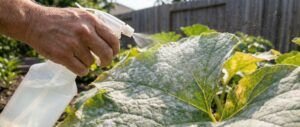
Powdery mildew looks just like its name suggests: white or grayish patches that spread across the leaves. Sometimes the stems and fruit get hit, too. Unlike other fungi that need wet leaves to thrive, powdery mildew prefers warm, dry days with a bit of humidity in the air. This fungus survives by feeding off your plant’s tissues, slowing down photosynthesis and leaving the plant stressed.
Squash is especially prone to this fungus, particularly as summer rolls on. If you’ve ever wondered why it shows up when your plants seem healthiest, it’s because older leaves become more vulnerable, and crowded conditions only make things worse. Sometimes an unexpected change in weather—maybe several hot days followed by rain—seems to set off an outbreak, leading to extra frustration for even experienced gardeners.
How to Spot Powdery Mildew on Squash Early
Finding powdery mildew early gives you a much better shot at keeping your squash healthy. Keep an eye out for:
- White or gray powdery spots: These show up first on the upper surface of leaves.
- Yellowing or browning leaves: As spots spread, leaves can turn yellow or dry out.
- Leaf curling or distortion: Leaves can twist or look puckered as the fungus spreads.
- Reduced vine vigor: Growth slows, flowers drop early, and squash yields start to dip.
Checking your squash leaves at least twice a week gives you a better chance to track down problems before they get out of hand. If you notice spots or a powdery appearance, act quickly to slow the spread and avoid a full-blown outbreak.
First Steps: Remove and Dispose of Infected Leaves
As soon as you spot powdery mildew, grab clean garden scissors and snip off the worst infected leaves. Toss them in the trash instead of your compost pile, since the fungus can survive and reinfect next season. Wiping your scissors with rubbing alcohol between cuts helps stop the spread.
Removing infected leaves doesn’t cure the plant completely, but it slows down the spread. It also gives your plant more airflow, making the environment less cozy for fungi. This simple gardening chore can make a real difference, especially in smaller gardens.
Effective Ways to Treat Powdery Mildew
Dealing with powdery mildew means picking an approach that fits your gardening style. There are both organic and chemical treatments available, but for backyard squash, here are the ones I’ve seen work well:
Baking Soda Solution
Baking soda is my go-to for light powdery mildew issues. Here’s a simple recipe you can put together in minutes:
- 1 tablespoon baking soda
- 1/2 teaspoon mild liquid soap (like castile or dish soap without degreaser)
- 1 gallon water
Mix everything thoroughly and spray the tops and bottoms of the leaves. Treat early in the morning so you don’t sunburn damp leaves. Baking soda changes the leaf’s pH, making it harder for the fungus to take hold.
Neem Oil Spray
Neem oil is a trusted organic solution because it targets many plant pests and fungi. Mix according to the label and spray the leaves weekly, especially during humid or rainy spells. Apply early in the morning or in the evening to protect helpful insects.
Milk Spray
This one sounds odd but actually works. Dilute milk (about 1 part milk to 9 parts water) and spray it onto leaves. The proteins in milk react with sunlight, making the leaf surface less welcoming to the fungus. Many gardeners have found success with this simple solution for light outbreaks.
Sulfur Based Fungicides
If things get out of hand, sulfur based sprays can help. These are available in most garden stores and are approved for organic gardening. Always follow the label instructions, as spraying too much sulfur or spraying in high temperatures can damage your plants.
Chemical Fungicides
If the problem is severe and nothing else works, there are fungicides made specifically for powdery mildew. Products with myclobutanil or propiconazole work fast, but check if they’re suitable for edible plants and always follow label directions.
Simple Tips to Prevent Powdery Mildew on Squash
Prevention is much easier than fighting an active outbreak. Here’s what I do to keep powdery mildew at bay:
- Space out your plants: Squash likes room to breathe. Don’t crowd them, so leaves dry quickly after rain or watering.
- Water at the soil level: Use drip irrigation or a watering can at the plant’s base. Wet leaves make it easier for fungi to set up shop.
- Grow resistant varieties: Some squash types, such as ‘Success PM’ zucchini or ‘Slick Pik’ yellow squash, tolerate mildew much better than others.
- Rotate your crops: Don’t grow squash or cucumbers in the same spot every year. Fungal spores can stay in soil and debris from previous years.
- Boost airflow: Prune extra leaves and let vines climb a trellis if you can. Dry, breezy leaves are much less appealing to pathogens.
- Keep things clean: Remove volunteer squash plants and gather up dead leaves, as they can be hiding places for disease.
Adding mulch below the plant helps keep soil moisture steady and prevents spores from splashing onto leaves. Consistently following these steps goes a long way in stepping up your garden’s defenses against powdery mildew.
Common Hurdles When Treating Powdery Mildew on Squash
- Weather swings: Dry days paired with high humidity can speed up the problem. Stay vigilant and keep up with prevention during hot spells.
- Timing issues: Missing treatments lets the fungus spread. Stick to a schedule, especially after rain or during extended humidity.
- Product sensitivity: Some squash types could react to certain sprays, especially sulfur or concentrated neem. Always test on a small patch first to see how the plant responds.
- High disease pressure: In really bad years, even resistant plants can get hit. Mixing and matching prevention and treatments works better than just relying on one approach.
Baking Soda and Milk Side Effects
Be careful with baking soda or milk sprays—using them too often can cause leaf burn or draw pest insects. Apply them only once a week and watch for any signs of leaf damage. If you notice browning or spots that weren’t there before, switch to another method or space out your treatments more.
Fungicide Resistance
Using the same chemical sprays month after month can let the fungus adapt and survive. To avoid resistance, rotate your treatments and use organic methods when you can. For example, alternate between neem oil and sulfur based fungicides if you use both options.
Extra Tips for Healthier Squash Plants
- Fertilize lightly: Too much nitrogen leads to big, soft leaves that fungi love, so stick to a balanced fertilizer in moderation.
- Water in the morning: Wet leaves dry quickly during daylight hours and lower the risk of infection versus watering in the evening.
- Watch neighboring plants: Cucumbers, melons, and pumpkins can all catch powdery mildew, so keeping them healthy too helps reduce overall fungus in your garden area.
- Add mulch: Mulching with straw or clean leaves can stop dirt—and spores—from bouncing back onto your squash during rain.
- Clear fallen fruit: Picking up any dropped squash helps limit breeding grounds for fungus and rot in the soil below.
FAQs about Treating Powdery Mildew on Squash
Question: Is powdery mildew dangerous to eat?
Answer: Powdery mildew doesn’t make the squash fruit itself unsafe. If the fruit looks and feels normal, it’s fine to eat. Just wash and cut away any soft or rotting spots, and the inside is usually unaffected.
Question: How often should I spray treatments?
Answer: Once a week is generally enough with organic sprays. If the weather is especially humid or rainy, or if you see lots of new spots, bump up treatments to twice a week until things settle down.
Question: What if powdery mildew keeps coming back each year?
Answer: If you notice a yearly pattern, prevention is key. Rotate where you plant squash and cucumbers, try resistant varieties, and do some above-and-below-ground cleaning each fall. Spores can winter in plant debris and soil, so a little extra cleanup pays off.
Question: Can I save a badly infected squash plant?
Answer: Heavily infected plants rarely recover all the way, but removing sick leaves, stepping up airflow, and using treatments quickly can keep things in check. Even if the foliage suffers, the plant may still manage to produce decent fruit if you act promptly.
Using These Methods to Keep Your Squash Healthy
Treating powdery mildew on squash plants really just takes effort and patience. Jump in early, check your plants regularly, and be consistent with treatments. Try mixing up your prevention and treatment strategies, and always have a plan ready as squash season gets rolling. Whether you go for organic options or bring out a fungicide when you need to, sticking with what works in your garden gives your squash a solid shot at growing strong—even when powdery mildew tries to stick around.