
Deadheading is one of those gardening tasks that makes a big difference with just a light touch. By snipping off spent blooms, you’re not only tidying up your flower beds but also sending a signal to many plants to keep making new flowers. It’s pretty satisfying work, especially when you start seeing even more colorful blooms popping up. After spending a few seasons in the garden, I’ve picked up plenty of tips and tricks for keeping flowers blooming as long as possible. This guide covers everything you need to know about deadheading and how to keep those blooms coming, no matter your gardening experience.
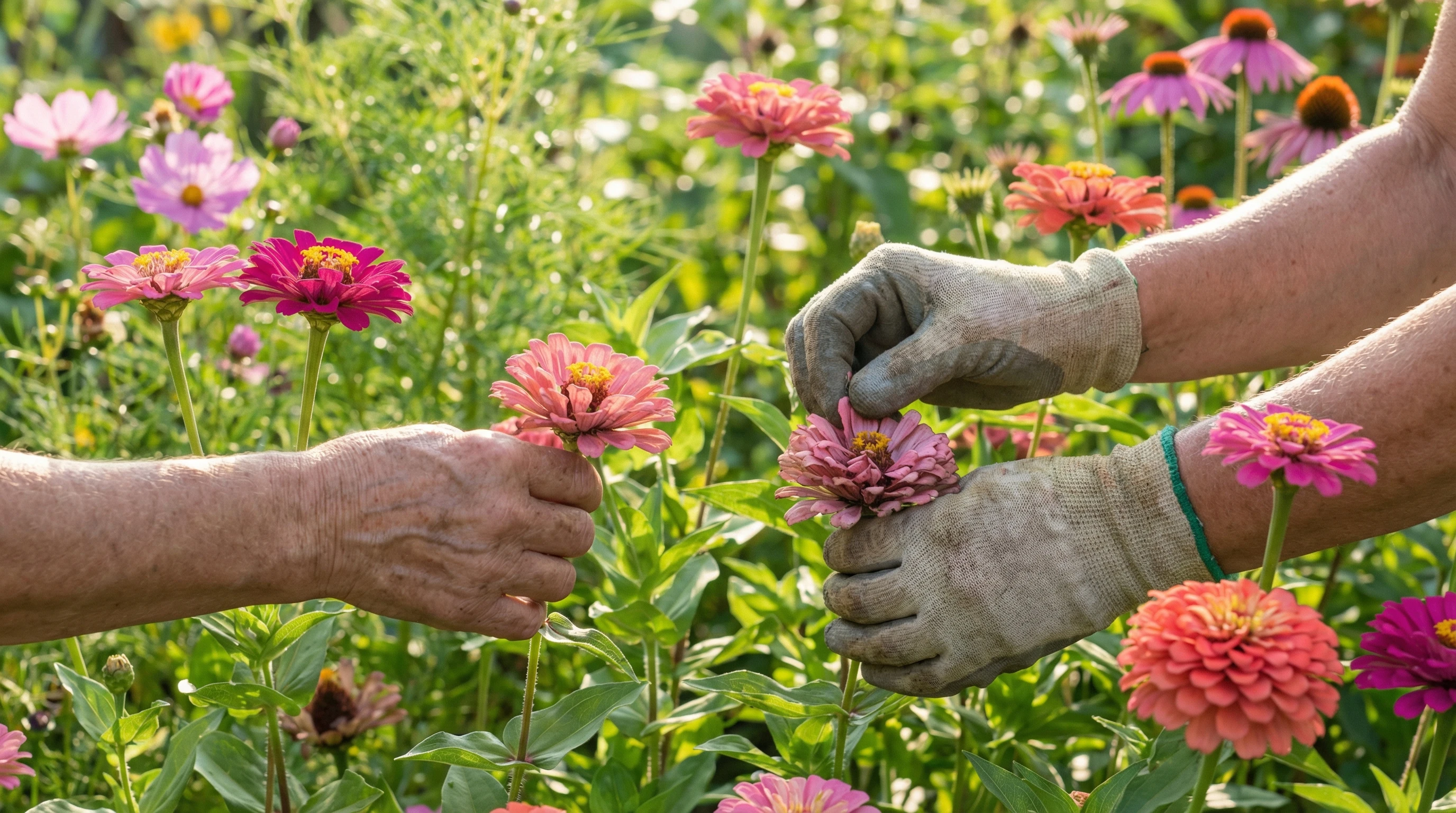
Why Deadheading Matters for Flowering Plants
Deadheading is basically just removing old or fading flowers from your plants. While it might seem like a lot of extra effort, it actually helps many flowers stay in bloom much longer through the season. Most flowering plants put a ton of energy into making seeds once a flower has faded. By removing these spent blooms, you’re telling the plant to skip the seed-making step and keep pumping out new flowers instead.
Some plants—even popular annuals and perennials—bloom nonstop when deadheaded regularly. If you let old flowers stay on the plant, you’ll notice blooms taper off and the garden can look a bit less lively. Regular deadheading is pretty much the easiest way to keep things looking neat too, and it’s a great way to spot any potential pest or disease problems early on.
Not all flowers need deadheading, though. Some self-clean (meaning their old flowers drop naturally), while others only bloom once per year. But if you’re growing classic garden standbys like marigolds, zinnias, petunias, geraniums, rudbeckia, or roses, deadheading makes an obvious difference and helps you get more bang for your buck.
How to Deadhead: Techniques and Timing
Deadheading doesn’t require any special equipment; just clean hands or basic garden shears are usually enough. The trick is knowing where to make the cut and how often to check your plants. Here are a few approaches that have worked well for me:
- Pinch Method: For softer plants, just pinch the flower stem off right above the first set of healthy leaves. This is fast and easy and works for most annuals.
- Pruning Shears: For tougher stems, like roses or bigger perennials, use small, sharp snips or shears to cleanly remove the spent bloom without damaging new growth.
- Whole Stem Removal: If the whole flower stalk has faded, such as with daylilies, cut it all the way down to the plant’s base. This keeps things tidy and lowers the chance of disease.
Timing is flexible, but the best results usually come from deadheading at least once a week. Some fastblooming annuals might need a quick check every few days, especially after rain or heat waves when flower heads fade more quickly.
Deadheading Dos and Don’ts
- Make clean cuts to avoid damaging healthy stems or nearby buds.
- Avoid cutting into new buds that haven’t opened yet, so take a close look before you snip.
- Sanitize your pruners or shears now and then, especially for plants prone to disease like roses.
- Don’t worry about perfection. The main goal is to remove fading flowers before they set seed and sap the plant’s strength.
Deadheading can be a meditative routine. Ten to fifteen minutes here and there goes a long way toward fuller, longerlasting blooms. It also helps you check in on your plants regularly so little issues don’t turn into big headaches later.
Promoting Flower Blooms Beyond Deadheading
While deadheading helps a lot, there are other things I do to keep my blooms coming in wave after wave. Healthy, well fed plants are much more likely to send up new flowers. If you want garden beds full of color, try these ideas alongside regular deadheading:
- Feed Your Flowers: Regular feeding keeps them fueled up. I use a balanced, slow release fertilizer for most annuals and perennials, but a bloom boosting formula (higher in phosphorous) is also handy, especially during peak flowering.
- Water Wisely: Most flowers need a steady supply of moisture, but be careful not to overwater and rot the roots. Consistent, deep watering is much better than a little splash every day, as it encourages deeper, stronger roots.
- Mulch Matters: A good mulch layer holds in moisture, keeps weeds down, and even prevents soil from splashing up onto leaves and petals. This keeps things looking fresh and lowers the risk of fungal problems.
- Sunlight Counts: Many of the best reblooming flowers love full sun. If you have plants looking leggy or producing fewer blooms, try relocating them to a sunnier spot.
- Keep an Eye Out for Pests: Healthy foliage and stems mean more energy for flower production. Check regularly for signs of aphids, powdery mildew, or other common problems and treat them early, so your plants can put energy into flowering instead of recovery.
Adding organic material to your soil at planting time, like compost or worm castings, can also give your flowers a good head start. Strong, happy roots mean more blooms up top.
Challenges to Keep in Mind for Bloom Success
No matter how much you deadhead, sometimes blooms slow down because of things beyond your control. Heat waves, drought, or surprise late frosts can all impact flower production in a big way. I’ve had entire stretches of my season knocked back after a freak storm or a hot spell.
Soil quality can also play a role. A bed that’s too sandy or lacking in organic matter just won’t support robust flowering for long. Amending soil with compost and regular mulching usually sets things right for next year and helps this year’s growth too, if you catch it early enough.
Some plants naturally take a breather between flushes of flowers. Don’t panic if you see a pause; keep deadheading, feeding, and watering, and most perennials and annuals bounce back with another round of blooms. Patience really pays off in the flower garden.
Common Setbacks and Simple Fixes
- Plants Stop Flowering: Doublecheck if you’re overfeeding with nitrogen (which causes lots of green growth but no flowers), or if your plants are getting too much shade. Sometimes just moving a container to a sunnier spot is enough.
- Diseased or Wilted Stems: Remove affected parts right away, and avoid splattering water on the foliage. Water at the base of the plant if you can.
- Stunted Blooms: Consider testing your soil pH. Many flowers perform better when soil isn’t too acidic or alkaline, so a quick adjustment can really help. Some garden centers offer easy home test kits.
Staying flexible and adjusting care as needed keeps your garden on track. Keeping an eye out for what’s working (and what isn’t) gives you an edge as you grow as a gardener.
Extra Tips for Maximizing Flower Blooms
Once you’re comfortable with a weekly deadheading habit, there are a few more tricks you can put to work for even more blooms:
Sow Successive Batches: For annuals like cosmos or zinnias, plant fresh seeds every couple of weeks. This stretches your display deep into the season and fills in gaps left by tired out plants.
Pinch Back Young Plants: Early on, pinch the tips of some annuals and perennials to encourage bushier growth and more branching. More branches usually mean more places for flowers, and often gives you sturdier, better-shaped plants overall.
Choose Reblooming Varieties: Plenty of modern hybrids have been bred for nonstop performance. Track down plant tags for phrases like “continuous bloomer” or “reblooms.” These are usually a sure thing with regular deadheading and good care. Nurseries and gardening groups online often share recommendations for the best new varieties that stand up to tough weather and bloom repeatedly.
Join or Follow Local Gardeners: I’ve picked up some of my favorite deadheading tricks from chatting with neighbors or connecting in gardening groups online. There’s always something new to learn or a variety you haven’t tried yet. Sharing your wins (and not-so-great moments) can be both helpful and motivating.
Keep a Garden Journal: If you really want to up your game, write down what varieties did best, when you deadheaded, and what growing conditions worked. Over the seasons, you’ll spot patterns and can tweak your approach for even better blooms year after year.
Frequently Asked Questions
Some of the most common questions come up every time I talk about deadheading with fellow gardeners or friends starting out:
Question: Does every flower really need deadheading?
Answer: No, not all flowers need it. Some, like impatiens or begonias, shed their old blooms on their own. Focus on annuals, roses, and repeatblooming perennials for the biggest impact.
Question: Can I use the deadheaded flowers for anything?
Answer: You can throw them on the compost pile if they aren’t diseased. Sometimes, I even use spent blooms in a bowl as a rustic potpourri for a few days—petals from roses or lavender are especially nice for this purpose.
Question: Is there a risk of harming the plant if I deadhead the wrong way?
Answer: If you trim above a healthy leaf or side bud, you’re usually safe. Avoid cutting into new buds or tearing leaves, and the plant will bounce back better than ever.
Question: How often do I need to deadhead for best results?
Answer: Weekly is a good routine for most flower beds, but you can check more often during rainy stretches or when you see extra growth. For fastblooming annuals, a midweek check is helpful too.
Putting It All Together for a Lush, Blooming Garden
Deadheading is a simple task that pays off with a steady supply of fresh flowers all season long. Team it up with regular feeding, watering, and a watchful eye for garden challenges, and your flowers will put on a show worth bragging about. If you’re just starting out, pick a few easy plants and practice your snipping. Improvements come quickly, and there’s always something new waiting in the garden each week. Whether you grow in containers, raised beds, or a full backyard plot, these tips will keep your blooms coming strong, season after season. Get outside and enjoy the ride!