If you’re growing vegetables in pots, you might already know that root rot can ruin all your hard work in no time. I’ve seen even the healthiest looking pepper and tomato plants wilt overnight, so I know just how frustrating it can be. Root rot sneaks up when conditions get too soggy for roots to breathe, inviting fungal trouble and turning roots brown, mushy, and unable to support the plant. While it can be a headache, there are a bunch of proactive ways to keep it far away from your potted vegetable garden.
What Causes Root Rot in Potted Vegetables?
Root rot often pops up when soil stays wet for long stretches, which is pretty common with potted gardens because water doesn’t drain the same way it does in open ground. If drainage holes are blocked, or if you’re using the wrong kind of soil, water pools at the bottom where roots stay soaked for too long. The next thing you know, fungi like Pythium or Phytophthora move in, and pretty soon, you end up with sad, mushy roots and yellowing leaves.
While overwatering is a main culprit, low temperatures and poor airflow can also make things worse. In my experience, plants crammed too close together or growing in a super humid spot are more at risk. Knowing the causes is really important because it guides every other step in setting up your garden for strong, healthy roots. If you ignore these warning signs, things can go downhill quickly.
How to Spot Root Rot Early
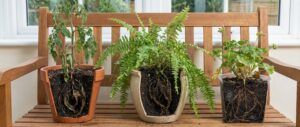
It’s tough to spot root rot above the soil at first, but I’ve picked up a few tricks. Plants may start drooping even though the soil is wet, or leaves turn yellow and soft without recovering after watering; these are early clues. Other times, stems might look thin or blackened at the base. If you gently lift a plant from its pot and notice brown, slimy roots that break apart easily instead of being white and firm, you’re likely dealing with root rot.
Paying close attention to plant behavior is key. If you catch these hints early, you have a much better shot at saving your plants. It’s worth checking the roots any time you see these warning signs. I do this every time my plants look stressed for no obvious reason, and sometimes it helps me fix things before they get worse.
Choosing the Right Pots and Soil
One simple move that can have a huge impact is picking the right pots and soil to kick off your potted veggie garden. I always recommend pots with several drainage holes along the bottom and sometimes even on the sides for extra airflow. Materials matter too—terra cotta and unglazed ceramic let the soil dry out a bit faster than plastic, so they’re pretty handy in humid areas.
For soil, avoid regular garden soil, which can get compacted and hold too much moisture in containers. Instead, stick with a high-quality potting mix made for vegetables, usually with added perlite or vermiculite to help with drainage. Some people also mix in coarse sand for larger containers if they’re growing root veggies like carrots or potatoes. This combo helps roots get enough oxygen and stay healthy. Healthy roots are your first line of defense against all kinds of container problems, not just root rot.
Watering Tips to Prevent Root Rot
Watering might sound simple, but the right approach can make or break your potted veggie garden. I always wait until the top inch of soil feels dry before watering, and I go slowly so water soaks in instead of running off. Using a watering can with a narrow spout helps guide water right to the soil, not all over the leaves. Getting watering right is more important than most people think.
- Check Moisture Levels: Stick your finger in the soil; if it comes out dry up to your first knuckle, it’s time to water.
- Use Self watering Containers Cautiously: They can be helpful but always check that the reservoir isn’t keeping roots consistently soggy.
- Water in the Morning: This gives leaves and soil time to dry before temperatures drop overnight, which really helps prevent fungal growth.
- Empty Saucer Trays: Don’t let pots sit in a puddle at the bottom—this is root rot’s best friend! Always dump out excess water after rain or watering sessions.
Best Drainage Practices for Healthy Roots
Good drainage is your strongest defense against root rot. Lining the bottom of pots with chunky materials like broken terracotta, gravel, or even coarse bark chips can stop the drainage holes from getting clogged with soil. That way, excess water has somewhere to go. Watch for blocked holes; I check mine every couple of weeks and poke through them with a chopstick if needed.
Elevating pots by placing a piece of wood or bricks beneath them helps, especially for outdoor gardens, because it keeps the drainage holes clear and prevents water from pooling under the pots. You might also want to avoid dishes or saucers entirely if you’re growing on a patio where water can drain freely. A little extra planning on drainage can save you a ton of hassle later in the season.
Airflow and Placement Make a Difference
Roots need air just as much as water. Placing your pots too close together slows air circulation, which lets moisture hang around longer. In my garden, giving each pot a little breathing room and spacing them so their leaves aren’t overlapping has cut down on disease dramatically. I’ve also had good luck putting plants in slightly breezy spots; porches or near windows can work great indoors, as long as they’re not getting battered by super strong winds.
If you’re starting a lot of seedlings, run a small fan nearby for a few hours a day to keep air moving around your plants. This can also reduce the risk of mildew and keep roots healthier. Airflow might not sound like a big deal, but I’ve seen huge improvements just by reshuffling my pots for better circulation.
Choosing Vegetables More Resistant to Root Rot
Some veggies naturally handle fluctuating moisture better than others. I’ve found that lettuce, kale, and some Asian greens are less likely to struggle with root rot if drainage is decent. Root crops like carrots and radishes are a bit fussier, so extra attention to watering and soil is needed. Bush beans, peppers, and tomatoes usually do okay with occasional skipped waterings, which can help avoid constant soggy roots. It’s worth checking the label or doing a quick online search for any new plant variety you add to containers to see if it’s prone to root issues. If you’re looking for low maintenance options, stick with leafy greens or bush types to keep things easy.
What To Do If You Suspect Root Rot
Even with good prep, root rot might show up sometimes. If you catch it early and react fast, you can often save the plant:
- Remove the plant from its pot: Gently shake off old soil and rinse the roots under lukewarm water to get rid of grime and possible fungus.
- Prune away all mushy or blackened roots: I use clean garden scissors dipped in rubbing alcohol to avoid spreading spores.
- Let the healthy roots dry for a half hour: Lay them on a paper towel out of direct sun.
- Repot in fresh, dry potting mix: Never reuse the old, possibly contaminated soil.
- Water lightly: Let the top layer dry before the next watering; roots need a bit of time to bounce back.
If most roots are mushy, it’s probably time to start over with a new plant and fresh soil. Compost the dead plant, but bag the infected soil to avoid spreading fungus in your yard. It’s tough to say goodbye to a plant, but sometimes starting over is the fastest way to get your garden back on track.
Common Questions About Root Rot in Containers
Question: Can I reuse soil after root rot?
Answer: I never reuse soil from pots with root rot, since fungal spores can stick around for ages. Starting with new soil is way safer for your next batch of plants. Take the extra precaution to keep your other veggies healthy.
Question: How often should I repot my vegetables?
Answer: Most veggies grow happily for one season in the same pot and soil. Perennial herbs or overwintered crops may need a new potting mix each year to refresh nutrients and get rid of any lurking disease. Give your plants a fresh start annually for best results.
Question: Are there natural ways to fend off root rot?
Answer: Some gardeners use a light sprinkle of cinnamon powder or commercial microbial soil amendments to fight off fungal diseases. These don’t replace good drainage and watering, but they can help tip the balance, especially in humid or rainy setups. Keep experimenting with what works for your environment.
Other Handy Tips From Experience
Here are a few extra tricks I’ve found super useful:
- Rotate containers around the garden each year to keep disease pressure low and give plants new spots to shine.
- Mix slow release organic fertilizers into the soil, since healthy plants resist infection better. Don’t overdo it, though; balance is important for root health.
- Monitor weather patterns; skip watering if a rainstorm is on the way, even for pots. A little planning keeps roots happy and healthy.
- Consider planting in fabric grow bags, which naturally allow better airflow around the roots than hard sided pots. They’re a great option for folks who struggle with soggy soil or limited space.
Taking these steps really gives a boost to the health of any potted veggie garden and makes dealing with root rot much less stressful overall. It’s all about sharp observation, consistent care, and choosing the right setup from the start. Plants that get enough air, the right soil, and smart watering are way less likely to fall victim to root rot, even in tricky conditions. Keep learning, and soon you’ll have a thriving container garden safe from these common pitfalls.