
Perennial flowers pack a lot of punch for gardeners who want beautiful color year after year without the hassle of replanting each spring. If you’re looking for plants that can handle the seasons and bounce back, there are loads of cheerful blooms that give you a great return for your gardening efforts. I’m sharing my personal experience and favorite picks, along with tips on getting the most out of these lasting plants, so you can enjoy a garden that gets better as time goes by.
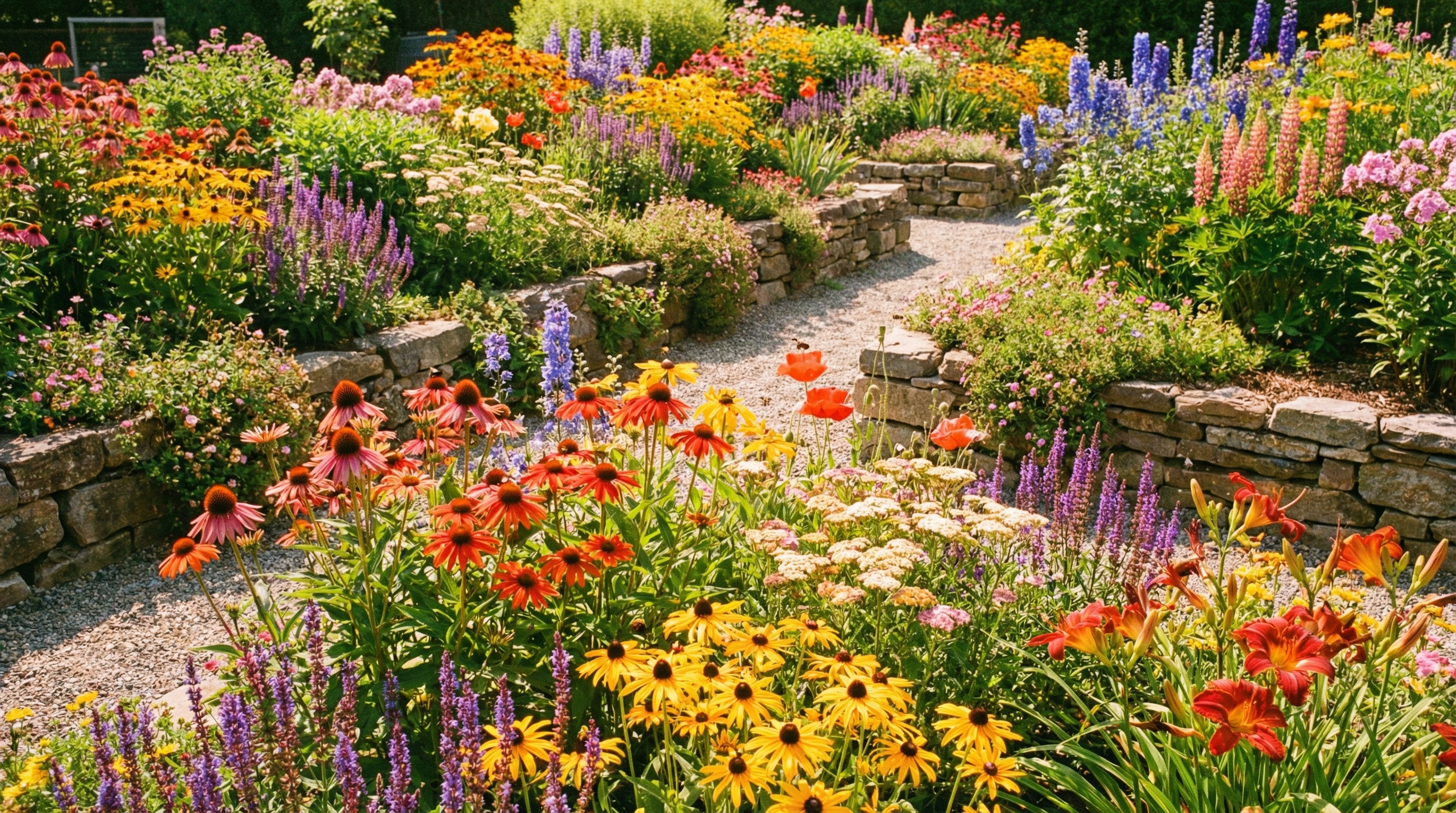
What Makes a Flower Perennial?
Perennial flowers are more like the reliable friends of the plant world. They stick around, going dormant when it gets cold and popping back up once the weather warms. Usually, perennials live for at least three years, and some keep going much longer. They often use their first year to get settled, using plenty of energy to grow strong roots before showing off with full blooms.
The two main types are herbaceous perennials, which die back to the ground each year (like peonies), and woody perennials, which keep their stems above the soil. Think lavender here. The cool part is that, as opposed to annuals, you’ll spend less time and money on replanting, and more time enjoying full, mature plants.
Why Perennials Are Super Popular With Gardeners
There’s something pretty satisfying about seeing your hard work come back every spring. Perennial flowers are favorites for several reasons. They’re low maintenance once established, usually tougher than annuals, and most will even spread and become more abundant over time. Many perennials do well in a variety of climates, and a solid garden plan with perennial flowers can save water, money, and energy in the long run.
People love them for the pollinators, too. Lots of perennials attract bees, butterflies, and hummingbirds, which helps all sorts of plants in your yard thrive. Some can live decades. Peonies and daylilies, for example, so you can enjoy the same blooms for years.
Popular Perennial Flowers That Return Year After Year
It’s always exciting watching plants pop up each spring. Here are some tried and true perennial flowers that put on a great show season after season. These are options I’ve grown myself or have seen in neighbors’ gardens that I’ve always admired:
- Peonies: These are true garden classics. Peonies just get bigger and bloomier as the years go by. They need a spot with good drainage and sunlight. You’ll want to plant them where they won’t get disturbed, since they don’t love to be moved.
- Daylilies (Hemerocallis): If you want something that will thrive on a bit of neglect, daylilies are nearly impossible to kill. They love sun or partial shade, multiply quickly, and come in a wild range of colors.
- Blackeyed Susans (Rudbeckia): These daisylike golden flowers handle tough conditions, drought, and clay soil. They bring bold color from midsummer well into fall, and they’re super attractive to pollinators.
- Hostas: Known best for their gorgeous leaves in endless shades of green and even blue. Hostas do best in shade or partial shade, so they’re handy for brightening up darker corners. Some send up spiky flowers mid to late summer.
- Shasta Daisy (Leucanthemum): Big white blooms with sunny yellow centers. These are sturdy, reliable, and often bloom from early summer through early fall if you keep up with deadheading.
- Lavender: Fragrant, heat tolerant, and drought resistant. Lavender is perfect along borders or in rock gardens, and both the flowers and foliage smell amazing.
- Coneflowers (Echinacea): These put out pretty purple, pink, or white flowers with a funlooking cone in the center. They’re favorites for butterflies and keep going even in tough conditions.
- Phlox: There are lots of phlox varieties, from tall garden types to creeping ones perfect for the front edge of a border. They bloom in pinks, whites, purples, and reds, and the fragrance is tough to beat.
Getting Started: How to Select and Plant Perennials
Finding the right perennials means thinking about your local climate, soil type, and how much sun your garden gets. Perennial flowers all have their preferences. Some need a ton of sun, while others will thrive in shade. Here are a few things I always keep in mind when picking new additions for my garden:
- Check Hardiness Zones: Every perennial has a range of hardiness zones, which is how cold tolerant it is. Match your garden’s area zone (or local equivalent) to the plant’s comfort range.
- Pay Attention to Soil: Some perennials need rich, well-drained soil. You can often improve your soil by mixing in compost before planting.
- Sun vs. Shade: Plant labels or garden center staff can help you figure out which spots suit your plants best. Bringing home a sunloving coneflower and tucking it in shade will just leave you disappointed.
I recommend spacing them based on the plant tag instructions. Crowded perennials tend to struggle. A lot of perennials also like a little mulch on top once they’re planted to keep moisture in and weeds down.
When you’re laying out your beds, stagger plants by height and blooming time. Pop in a variety of plants so you get color across multiple seasons. If you want to enjoy your garden longer into the fall, check out asters or sedum, since these often flower right as other perennials are winding down. For extra appeal, try grouping three or five of the same kind together instead of just one—you’ll get a bolder effect and the plants will look fuller faster.
Simple Steps for Keeping Perennials Happy
- Water Deeply (But Not Constantly): Perennials with established roots usually don’t need daily watering. A good drink once a week often works better, especially during dry spells.
- Deadhead for More Blooms: Snipping off spent flowers signals a lot of perennials to make new buds. This is especially true for coneflowers, daisies, and some types of phlox.
- Prune in the Right Season: Some perennials should be cut back after blooming, others wait till early spring. For example, trim peonies in the fall, but wait until new growth pokes up before chopping old hosta leaves.
- Divide and Multiply: Every few years, some perennials benefit from lifting and splitting the clump. Like daylilies or hostas. This keeps plants vigorous and helps avoid overcrowding.
- Watch for Pests: While perennials are usually sturdy, snails love hostas, and powdery mildew sometimes pops up on phlox. Regular checks help you sort out issues before they get out of hand.
In addition, adding a top dressing of compost each spring gives your plants a boost and encourages better blooms. Maintaining clean edges around flower beds helps stop grass and weeds from creeping in, making the whole space look tidy. Don’t forget, keeping an eye out for weeds early in the season means less work later.
Challenges and Solutions for Perennial Growers
Even though perennials are pretty hardy, they do have a few quirks to watch for. Here are a couple of common things I’ve needed to troubleshoot in my own garden:
- Bare Spots After Winter: Sometimes winter freeze thaw cycles push perennials out of the ground. Just tamp them back in and add some mulch for protection next year.
- Not Flowering: If a perennial is all green and no flowers, it might be planted too deep. This happens a lot with peonies, or living in the wrong spot. Move it in early spring, before it starts growing again.
- Overcrowding: Over time, perennials will fill out. If you notice some plants aren’t growing as well or flowering less, it’s probably time to dig and divide.
- Pests and Disease: If you spot holes in hosta leaves or powdery white spots on phlox, deal with these right away. Pick off snails by hand, or use organic solutions to treat mildew as soon as you notice it.
You don’t need to stress if things don’t go perfectly. Gardening always involves some trial and error, but that’s part of the fun.
Perennial Perks Beyond Beauty
Along with the color and fragrance, perennials bring some helpful perks to any yard. Many help with soil health, and plants like lavender and yarrow are natural pest repellents. Their roots help hold soil in place, so they prevent erosion on slopes or around pathways. Perennials that spread can also serve as living groundcovers, crowding out weeds over time.
- Wildlife Habitat: Lots of birds love the seeds from echinacea and blackeyed Susans. The foliage also gives cover to frogs, toads, and beneficial insects.
- Longterm Savings: Because they come back every year and multiply, they save you money and effort on replanting. Many gardeners swap divided perennials with friends, so new plants are just a shovel away.
- Cutting Gardens: Flowers like peonies, Shasta daisies, and phlox make great bouquets. Perennials often bounce right back after you cut a handful of blooms, sometimes with even more flowers!
- Seasonal Variety: With smart planning, you get something blooming from spring through fall. Mixing in evergreen perennials keeps gardens visually appealing even in winter.
Frequently Asked Questions
I get a lot of questions as a perennial enthusiast. Here are some common ones with my answers:
Question: How long do perennials usually live?
Answer: It depends on the plant, but plenty last five or more years. With care and the right location, peonies can bloom for decades.
Question: Can I plant perennials in containers?
Answer: Yes! Just make sure your container has drainage, the right soil, and is winterproof in your area. Some, like hostas and daylilies, are especially good for pots. Be sure to water more often than you would for plants in the ground, since containers dry out faster.
Question: When is the best time to plant perennials?
Answer: Spring and early fall are both great times. Fall plantings get a jumpstart on root growth. Just be careful not to plant during a heatwave or the middle of summer.
Question: Do all perennials bloom the first season?
Answer: Many focus mainly on root growth in their first year and may not give a full display of flowers until their second season. Patience pays off!
Question: Should perennials be fertilized?
Answer: Light fertilizing in early spring with compost or a balanced fertilizer can give perennials a boost, but too much can lead to lots of leaves and few flowers. Always follow the recommendations for your specific plants.
Final Thoughts to Keep Your Beds Blooming
Building a garden with perennial flowers is one of the smartest moves for low maintenance beauty. Picking plants that fit your zone and sunlight, giving them a solid start, and keeping up with a bit of seasonal care means your garden will reward you for years. Plus, sharing divisions with friends or adding new favorites keeps things fresh. There’s nothing quite like coming outside in spring to find old friends back and blooming in your backyard. With a little planning and steady attention, perennials can make your outdoor space thrive year after year, bringing joy to you and nature alike.