
Patio spaces can offer a cool retreat even in the warmest months, but finding plants that thrive in the shade and don’t take much work is often a real challenge. If you’re like me, you love the idea of green corners and fresh foliage but just don’t have time for fussy maintenance routines. The good news is, plenty of shade loving plants look great on patios and won’t eat up your weekends with constant watering or pruning. I’m rounding up my favorite low maintenance shade plants that can add character and color to your outdoor chill zone.
Why Choose Shade Loving, Low Maintenance Patio Plants?
Shade on the patio offers an opportunity to grow plants that might not take the full sun’s heat. Some of these plants keep their shape without the constant deadheading, and many are naturally resistant to pests and diseases. By focusing on low maintenance, you get more time to actually enjoy your outdoor space instead of working on it every weekend.
It’s really helpful to choose plants suited for the specific light levels your patio receives. Several of these shadelovers also work great in planters or hanging arrangements, which means you can move them around to find their best spot. Many even do well in smaller containers, so you don’t have to worry about your patio being too crowded. If you have a covered porch or frequently use patio umbrellas, these plants will still thrive and remain vibrant even without much direct sunlight.
Picking the Best Low Maintenance Shade Plants for Patios
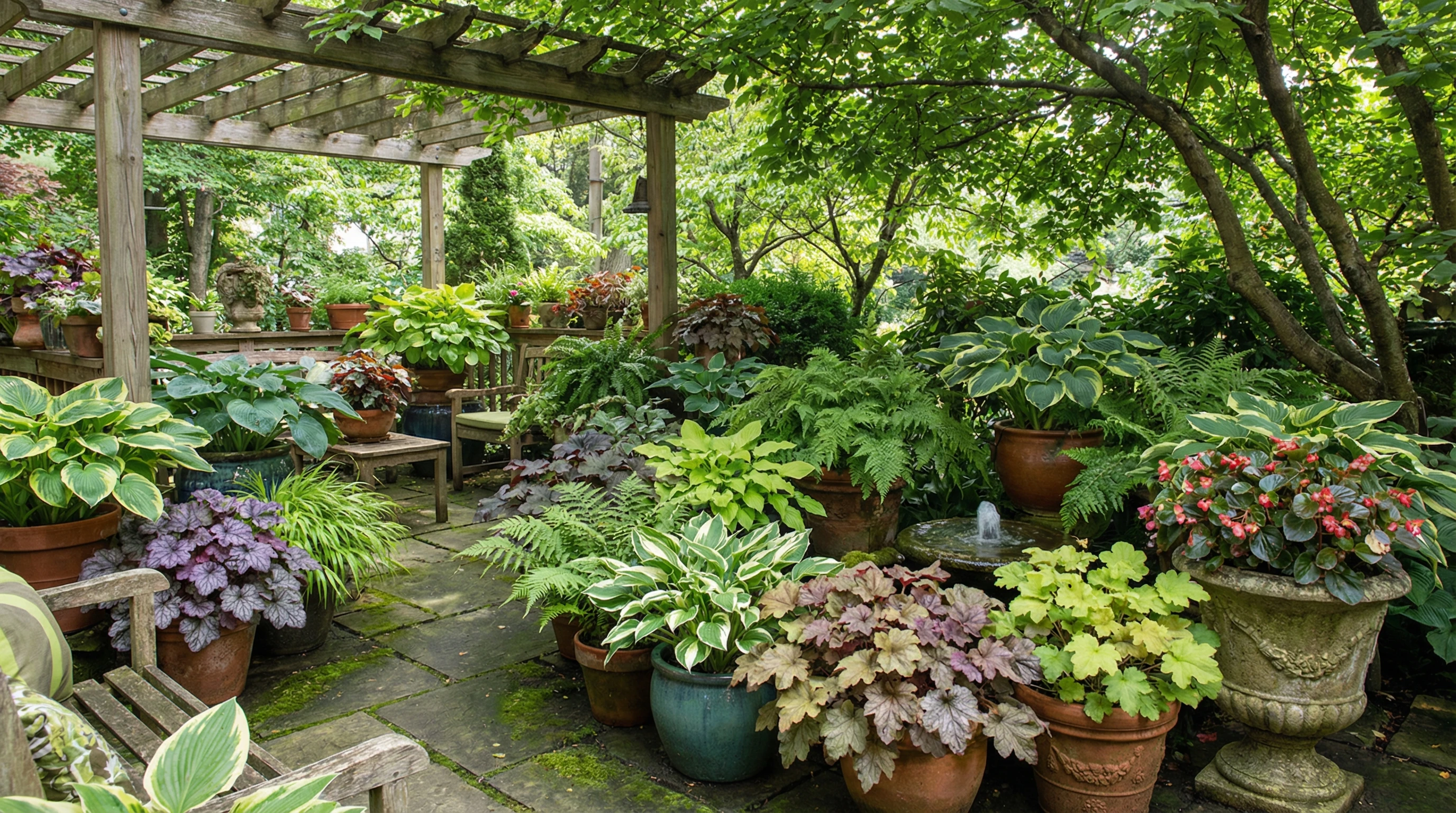
Choosing plants starts with understanding the kind of shade your patio has. Is it dappled with sunlight, or mostly in the dark? Once you figure this out, you can start mixing textures, leaf shapes, and even seasonal blooms for a patio that’s always interesting. Here are some options that have worked really well for me and friends with similar needs:
- Hosta’s: Famous for their range of sizes and leaf colors, Hosta’s grow well in deep shade and only need occasional watering. They come back bigger every year and are tough as nails once they’re settled.
- Ferns: From Boston to maidenhair ferns, these leafy plants thrive in shady, moist spots and bring loads of texture to pots or borders.
- Heuchera (Coral Bells): Great for colorful foliage, heucheras come in purples, greens, and silvers. They’re drought resistant once established and need very little care.
- Japanese Forest Grass (Hakonechloa): This graceful grass loves shade and looks fantastic draping over the edge of containers.
- Begonias: These can be grown for both their flowers and glossy leaves, and they handle shade better than most blooming plants. All you need is a little deadheading to keep them tidy.
- Lungwort (Pulmonaria): With speckled leaves and early spring blooms, lungwort survives well in low light and doesn’t fuss about soil types.
- Boxwood: Even though most people use it for hedges, dwarf boxwood varieties work really well in pots and stay green year-round with minimal pruning.
Quick Tips to Make Shade Gardening Even Easier
Keeping plants happy in shade isn’t too hard if you stick to some basics:
- Use Good Soil: Go for a moisture retentive, well-draining mix. Roots hate being waterlogged, but they need constant moisture.
- Plan for Watering: Pots dry out faster than the ground, so check your patio plants when it’s hot, even in the shade. Self-watering planters or drip trays help stretch out the time between watering.
- Feed Lightly: Most shade plants don’t demand much fertilizer. One slow-release dose at the start of the season is usually all it takes.
- Let Nature Help: Use mulch to keep soil moist and cool, and to stop weeds from popping up in containers or beds around the patio. Mulch can be organic like bark or leaf pieces, or you can use decorative stones to add an extra style element to your arrangements.
When you plan your patio space, choose a mix of textures and leaf colors for a more lively and visually interesting look, even if you skip blooms entirely. Mixing Hosta’s broad leaves with fine ferns or grassy Hakonechloa creates an easy to maintain combo that really pops. Try pairing different pots or combining several varieties in a single large container to make your display even more eye catching.
Common Challenges with Patio Shade Gardening (And Easy Solutions)
Not every shady patio is the same, and a few simple tweaks can help if your plants aren’t thriving right away.
- Yellowing Leaves? This can be from overwatering or poor drainage. Make sure your pots or beds let water escape and the soil isn’t staying soggy. Drill extra holes in containers if needed to give the roots a break.
- Moss or Moldy Soil? Poor air flow and trapped humidity can cause moss or even fungus to appear. Try spacing your containers out a bit more or using a small patio fan for extra airflow. Sometimes just rotating pots every couple of weeks is enough to solve this problem.
- Leggy Growth? Plants that stretch or flop over might want just a touch more light. Move them to a spot with morning sun or filter the shade with thin curtains or an umbrella. Remember, even shade plants enjoy a few rays if they can get them safely.
- Pests? Most shade loving plants are pretty tough, but keep an eye out for slugs, especially if you have Hosta’s. Crushed eggshells or diatomaceous earth sprinkled on the surface can help fend off these slimy invaders. Also, check under leaves for aphids or spider mites—though they are less common in shady, damp spots.
Easy Solution: Choose the Right Pots and Planters
I’ve found that going with lightweight, movable planters makes it much easier to rearrange the patio quickly if plants seem unhappy. It’s also a smart move if your shade comes from patio umbrellas or trees that switch up throughout the year. Try grouping smaller pots together for a more dramatic look and added moisture retention. This method also lets you mix in some variety effortlessly, so your patio looks new without much work.
Low Maintenance Doesn’t Mean No Maintenance
Even shade plants need a little love now and then. Take a minute every few weeks to snip off any dead leaves or flowers, quickly check soil moisture, and see if anyone’s looking cramped or unhappy. A little attention goes a long way, and you’ll keep your patio looking tidy and lush with surprisingly little effort. If you have extra time, rotate the containers so all sides of the plant get their fair share of light and airflow.
More Shade Loving Plants to Try on Your Patio
- Foamflower (Tiarella): Offers delicate spring flowers and heart shaped leaves, doing best in cool, shady patio spots.
- Ajuga (Bugleweed): Grows low and spreads easily. It looks great spilling over containers and needs next to no care after it takes off. Once established, this plant also brings helpful pollinators like bees onto your patio.
- Caladium: If you want wild, tropical looking foliage, caladiums bring bright pinks, reds, and whites to even fairly dark corners.
- Impatiens: Classic for a reason. These bloom for months, thrive in planters and hanging baskets, and only ask for consistent water. Choose from countless color combinations to keep your display fresh every season.
- Liriope: Sometimes called “monkey grass,” liriope has grassy leaves and produces little spikes of purple or white flowers in late summer. It can also act as a border plant, keeping edges looking neat.
Experiment with a few of these options to see what works best in your particular space. Local garden centers often have shadeloving plant selections customized for nearby climates, which is worth checking out if you want something even more carefree. Don’t forget to ask the staff about which varieties are most popular locally—they often know first-hand which plants truly stand up to tough conditions.
Frequently Asked Questions
Question: What’s the lowest maintenance plant for a shady patio?
Answer: Hosta’s and ferns both rank really high for low effort and reliability. They’re forgiving if you forget to water once in a while, and they’re not too picky about soil as long as it drains well. If you need something even easier, try ajuga or liriope for ground cover in planters.
Question: How can I tell if my patio has enough shade for these plants?
Answer: Watch your patio at different times of day. If the area only gets morning sunlight or is mostly under trees, fences, or a covered porch, you’re in good shape for shade plants. Dappled light or constant but gentle shade works well for almost every plant listed above. Checking at several points during the day will help you spot any places that get more sun than you realized.
Question: How much do I need to water shade patio plants?
Answer: Shady spots usually hold moisture a bit longer than sunny ones, so watering every three or four days is usually enough. Check soil moisture with your finger. If it feels dry an inch down, it’s time for more water. Self watering pots help a lot with keeping things consistent, and adding mulch or stones on top of soil helps keep water from evaporating too quickly in the heat.
Question: Can I use mulch in my patio containers?
Answer: Yes, definitely! A thin layer of bark, leaf mulch, or even pebbles keep moisture in and weeds out. Just don’t pile it too deep around stems, or it can trap too much water and make your plants unhappy.
Simple Steps to a Relaxing, Green Patio Retreat
Shade loving and low maintenance plants really help make patios feel cozy and inviting with hardly any fuss. Experiment with a few varieties based on your likes and how much light you have. Mix up planter heights and leaf textures for a relaxing spot you’ll want to hang out in all season long. With a little attention here and there, even the busiest person can keep these shade gardens thriving and looking sharp. Add a comfy chair or hammock and you’ll have the perfect backyard escape—no constant upkeep needed. Time to roll and try out a few of these options for your own outdoor space!