If you’re thinking about growing your own veggies, picking the right spot for your garden can make or break your success. The location you choose affects how your plants grow, how much work you’ll need to put in, and how tasty your harvest turns out. I’ve learned that considering sun, water, soil, and even wind can really give a boost to your garden’s potential. In this article, I’m sharing everything you need to know to find a spot that helps your vegetables thrive. Whether you’re a first-timer or have a few seasons under your belt, these tips will help you set up your dream patch.
Why Garden Location Matters for Vegetable Success
The spot where you plant your veggies plays a big part in giving your plants what they need every day. Just like picking the right seat for sunbathing or shade at the park, some spots are just naturally better for veggies. A good garden location means healthier plants, fewer problems with diseases and pests, and usually a bigger, tastier harvest. When I started out, it was surprising how much sunlight, soil quality, and airflow could change how my plants grew. Sometimes just moving a garden bed a few feet made a huge difference in plant health and yields.
Most vegetables rely on consistent sun, access to water, and a healthy base to grow their roots. Some quick research suggests that gardeners who pay attention to location are a lot happier with their results and spend less time fixing issues down the road. If you’re dreaming of salads with homegrown tomatoes or crunchy carrots, starting with a smart location makes the whole process smoother and adds to the fun of picking your own produce.
The Basics: What to Look for In a Garden Spot
Veggie gardening is all about giving plants what they need and making it easy for them to thrive. These four basics shape every backyard plot:
- Sunlight: Most vegetables want 6 to 8 hours of direct sunlight each day.
- Soil: Loose, fertile soil lets roots spread and keeps plants fed and watered.
- Water: Easy access to water, without flooding, goes a long way.
- Wind & Protection: Too much wind can stress plants, while shelter lets them grow steady.
Finding a spot that matches up with these basics can really help everything fall into place. Now, I’ll run through each factor and share some tips from my own experiences, plus a few often overlooked tricks to make your garden spot stand out.
Spotlight on Sun: How Much Light Do Your Plants Need?
Vegetables perform at their best when they get plenty of sun. Tomatoes, peppers, beans, and squash are all sun lovers. Leafy greens like lettuce and spinach can handle a bit of afternoon shade, but they still want some good sunlight every day. If you grow root vegetables like carrots or beets, they also enjoy sunshine, though they can manage in spots with some filtered light.
To get a clear idea, I usually spend a day watching how sunlight lands in different parts of my yard. Try to pick a spot that gets sunlight from mid-morning until late afternoon. Watch out for shadows from fences, trees, or even buildings; these can really limit the light for sun hungry plants. Using an app that tracks sun patterns or just a phone timer to check light each hour helps. If your only option is a little shady, focus on leafy greens or root crops that don’t mind less sun. Sometimes even moving containers around helps make the most of available light throughout the season.
Soil Quality: The Foundation of a Productive Garden
Great soil is dark, crumbly, and full of life. Healthy soil drains well but holds enough moisture to keep plants happy. If you’re starting from scratch, dig a small hole and see if water drains within an hour. If it’s ponding, you might have heavy clay or a low spot, which means roots could get soggy and rot.
I always like to test soil with a simple kit from the garden center or send a sample to my local extension office. They check for nutrients, pH, and organic matter. Fixing soil is possible with compost, manure, or bagged amendments, but picking a spot that’s already fertile saves time and effort. Earthworms in the soil are always a good sign.
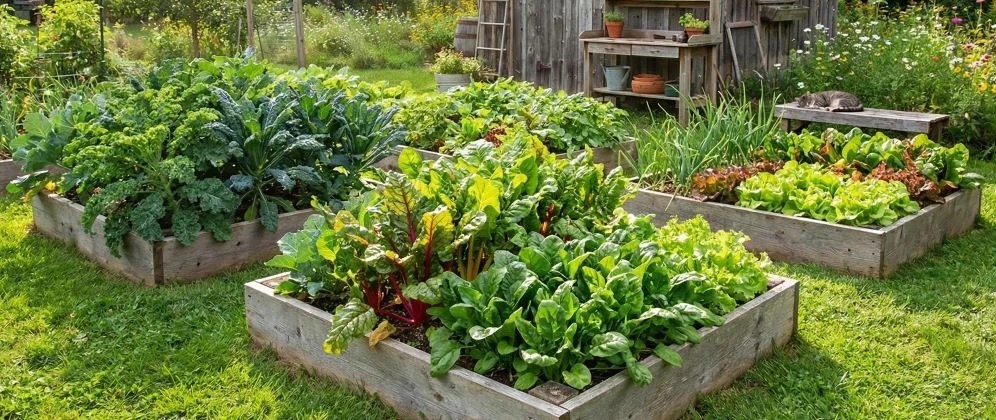
Raised beds are a great option if your native soil is rocky or full of roots. Even in tough spots, adding lots of organic material can transform the ground into a more veggie friendly space. Over time, soil will get richer and easier to work, so don’t be discouraged by a rough start; improvements add up quickly with regular attention.
Water Access Made Easy
Consistent, reliable watering keeps veggies healthy and growing. Think about how far your garden is from the nearest spigot or rain barrel. Dragging hoses gets old quickly! If hauling water feels like a workout, you might want a spot closer to water or install a hose reel.
Check how the land slopes; rain should drain away instead of pooling. Too much water floods roots, while hard, dry soil leaves them thirsty. Adding mulch helps the soil stay moist and avoids quick drying. I also keep a watering can handy for quick morning check-ins or unexpected dry spells. Setting up a rain barrel saves water and money, and your plants often prefer natural rainwater anyway.
Wind Protection and Microclimates
Wind can swoop in and batter young plants, especially seedlings and delicate crops like peas or beans. If you notice the wind always blows from one direction, look for a fence, hedge, or shed nearby to give some shelter. Even placing large containers on the windward side helps break it up if space is limited.
Microclimates, those little spots that are warmer, cooler, or less windy than the rest, are really useful. Stone walls, patios, or even a sunny wall can trap heat and offer bonus growing days, especially in spring and fall. I sometimes plant early crops near my south facing fence to get a jump on the season. For frost prone areas, these protected spots also mean a longer harvest window.
Common Challenges in Choosing a Garden Location
Even the best yards usually have a few tricky spots. Here are some problems I’ve faced and smart ways to work around them:
- Shade from Trees or Buildings: You might need to trim branches or switch up your crop choices for shade friendly varieties.
- Heavy Clay or Rocky Soil: Raised beds or containers turn a tough spot into a lush patch.
- Pests: If rabbits, deer, or other critters are nearby, think about fencing or planting close to your home so you can keep an eye on things.
- Limited Space: Growing up (with trellises) or using vertical planters makes even a small yard productive. Creative layouts also mean you can mix in some variety, like herbs between veggie rows.
Each garden spot has its quirks. Figuring these out before you dig means fewer surprises later on. A small investment in row covers or protective barriers in the problem zones can save you headaches and crops later in the season.
Sunlight
I once placed my garden under a tree thinking it looked perfect, but the dappled light slowed everything down. I learned to check sun patterns throughout a full day and now avoid tree shaded spots for most vegetables. Even moving a garden a few feet into more open ground has a huge effect on the energy plants get each day.
Soil
Some new plots are full of roots or compact clay. Starting with soil tests and lots of compost made a big difference for me. Over time, amending the soil every season kept my garden beds easy to work and booming with growth. Adding mulch each year keeps weeds down and builds up the soil even more.
Water
Drip irrigation systems or soaker hoses make watering more efficient and free up your time, especially during hot spells. Consistent moisture means fewer cracked tomatoes and less wilting in midsummer heat. Setting up a basic watering schedule also helps you notice issues quickly, so your plants get a boost during tough weeks.
Wind
Adding a simple wooden fence or planting a row of sunflowers or sturdy grasses on the windy side of my garden really improved how well my plants handled rough weather. These sheltering plants also attract pollinators, which helps everything bloom and set fruit.
Extra Tips for Picking a Great Garden Spot
Once you have the basics figured out, a few small tweaks help even more:
- Start Small: It’s way easier to expand than downsize. Begin with a zone you can maintain and grow from there. A manageable plot means you can keep on top of weeding, watering, and harvesting, which leads to better yields.
- Stay Close to Home: If your garden is out of sight, it’s easy to ignore. Keeping it nearby means you’ll spot issues and pick ripe crops fast. Regular check-ins help with pest control and keeping plants healthy.
- Think About Traffic: Make sure you can reach all corners of your garden without trampling plants or dealing with mud. Designing clear paths between beds keeps everything tidy and makes maintenance a breeze.
- Plan for Future Growth: Leave room for more beds, a compost bin, or paths. It’s satisfying to watch your garden space grow over time as you become more confident. Planning ahead now means you won’t have to move things later.
It’s also worth mentioning that gardening is a process, so updates along the way are a part of the adventure. Don’t worry if everything isn’t perfect your first season—you can always tweak things as you gain experience.
Frequently Asked Questions
Here are some really common questions I get when friends ask about choosing a veggie garden spot:
Question: Can I grow veggies in partial shade?
Answer: Yes, but stick to crops like lettuce, spinach, kale, or some herbs. Fruit veggies (like tomatoes or peppers) need more sun to do well. You may also try growing beans, peas, or radishes for a bit more flexibility in light requirements.
Question: How do I fix poor soil if I can’t move my garden?
Answer: Add lots of compost, leaves, grass clippings, or well-rotted manure each year. If it’s really tough, build a raised bed and fill it with bagged garden soil. Over time, these amendments build up fertility and help keep your plants strong and productive.
Question: My yard is windy. Will that hurt my plants?
Answer: Some wind is good for airflow, but try windbreaks like fences, lattice, or a row of taller plants. This lessens the stress on veggies and avoids broken stems. Even a well-placed row of corn or tall flowers can make a big difference in protecting delicate crops from sudden gusts.
Final Thoughts
A little planning goes a long way when choosing a veggie garden spot. Focusing on sunlight, soil, water, and wind can lead to healthier plants that are easier to care for. Every yard is different, but paying attention to your site’s unique mix means less hassle and more harvests. Start with these steps, learn from what you see, and you’ll be enjoying homegrown veggies in no time. Happy gardening, and may your plot be full of next-level cool veggies for seasons to come!