Picking the right vegetables for your garden isn’t just about what you like to eat. It’s also about figuring out which plants will really thrive in your local weather. With so many tempting seed packets on the shelves, it’s easy to feel swamped by all the options, especially when you’re new to gardening. Here, I’ve put together a beginner-friendly guide that makes finding vegetables for your specific climate zone super simple and successful—it’s less guesswork and more fresh veggies on your table.
Why Matching Vegetables to Your Climate Zone Matters
Growing veggies is more than just planting seeds and hoping for a good outcome. Every vegetable prefers a certain mix of temperature, sunlight, humidity, and rain. Tomatoes and peppers love warmth and lots of sunlight, while lettuce or spinach are happier when it’s cooler. If you plant veggies outside their ideal conditions, you might get a less impressive harvest—or maybe nothing at all.
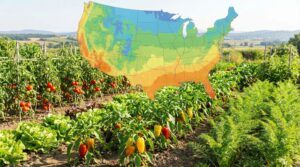
Knowing which climate zone you’re in can help take out a lot of the trial and error. It slashes frustration, cuts down on wasted seeds, and prevents disappointment when seeds don’t sprout. The USDA Plant Hardiness Zone Map—and similar guides in other countries—show areas based on how cold winters get. They’re a fantastic starting point for figuring out what will grow in your corner of the world.
When you tailor your veggie picks to your climate, you’ll see better germination, stronger plants, and way more food at harvest time. It’s a small step that has a big payoff.
Getting to Know Your Climate Zone
Before you start filling your garden beds, it’s essential to figure out your zone. Check the USDA Plant Hardiness Zone Map online, or look up your country’s equivalent if you’re outside the US. Type in your zip code or the name of your city, and it’ll give you a number—Zone 1 (coldest) up to Zone 13 (warmest).
Keep in mind, these zones are based mostly on how cold your winters get. For veggie lovers who want to grow heat-loving crops like okra or eggplant, you’ll also want to get a sense of your local heat zone, which shows how warm it gets each year. Rainfall, humidity, average frost dates, and even microclimates such as sunny patios or sheltered walls matter, too. When in doubt, check with experienced local gardeners or a neighborhood nursery—they’ll offer the best advice for your specific garden.
Beginner Vegetables at a Glance: What Likes What?
You don’t need to memorize pages of tables. Here’s a quick way to group veggies based on their favorite weather:
- Cool Season Vegetables: Lettuce, peas, broccoli, carrots, radishes, and cabbage grow best when it’s mild—mid-50s to 70s (13-24°C) during the day. Plant these in early spring or late summer for a fall crop.
- Warm Season Vegetables: Tomatoes, peppers, corn, squash, cucumbers, and beans thrive in summer temperatures. Wait until nights stay above 50°F (10°C).
- Heat Lovers: Okra, eggplant, sweet potatoes, and watermelon need long, hot summers, so they may not do well where there’s only a short warm spell.
- Frost Fighters: Kale, spinach, and some lettuces can handle a touch of frost, making them great for early spring and late fall plantings.
This gives you a snapshot of which veggies do best in which seasons so you can plant smart from the start.
Your Step-by-Step Guide to Picking the Best Veggies
- Find Your Zone: Use the hardiness map for your area. Jot down your zone (for example, Zone 6) and keep it handy when looking at seeds or plants.
- Track Frost Dates: Knowing when your last spring frost happens and your first fall frost hits will define your growing season. Some veggies can grow fast, while others need a longer growing window.
- Check Seed Info: Most seed packets and plant catalogs tell you which zones and conditions each variety likes. Read the labels before you buy.
- Shortlist Your Favorites: Focus first on veggies that are clearly happy in your climate. If you’re in a chilly spot, stick mostly to leafy greens and root veggies. Hotter places can try tomatoes, beans, and melons.
- Mix in Quick Growers: Crops like radishes and salad greens grow quickly and don’t mind some challenges. These are great for filling gaps or scoring quick wins for beginners.
- Ask Locals: Touch base with gardeners or stores nearby to get their take on what works year after year in your area. These tips are worth their weight in gold.
This checklist will help you pair your wish list with the veggies most likely to succeed in your own garden.
Common Beginner Snags (and How to Bypass Them)
Climate zones are super helpful, but some pitfalls can trip up new gardeners:
- Overlooking Microclimates: Even in small yards, some corners get more sun, some stay shaded and cooler, and raised beds may warm up faster than the ground. Walk around and spot these pockets. Plant sun lovers where it’s bright and cool lovers where it’s shadier.
- Planting Too Early: Popping heat-loving plants into the ground before the last frost can leave you with nothing. Get a head start with indoor seedling trays, but don’t move outside until after you’re free of late frosts.
- Not Rotating Crops: Growing the same vegetable family in the same spot every year can lead to pest and disease build-up. Rotate by plant family—move tomatoes and peppers to a new place next time, for example.
- Sticking Only with Unfamiliar Varieties: Testing new or trendy seeds is fun, but for beginners, it’s good to add tried-and-true classics. Save space for experiments, but lean on dependables to fill your table.
Microclimate Tips
Figuring out the warmest, sunniest, and shadiest spots in your garden pays off. Peppers often do great by a bright wall, while lettuce might need a break from the afternoon sun. Paying attention early can make your harvests a lot bigger and healthier.
Planting Rhythm and Timing
Every local area has its own perfect planting schedule. Look up charts from local extension offices, join a community garden, or chat with seasoned gardeners nearby. These resources offer planting calendars suited for your location and can help you plan better.
Mixing Sure Bets with Experiments
After a few growing seasons, most people start to spot which veggies are always winners and which are tricky. I always grow easy stuff like bush beans and a few “just for fun” seeds—such as purple carrots or quirky tomatoes. It’s a stress-free way to enjoy success while keeping things interesting in the garden.
Smart Tricks to Adapt to Your Zone
Sticking with zone-based choices is smart, but you can also stretch what’s possible:
- Extend the Season: Use row covers, cold frames, or even upside-down containers to hold off late frosts or keep seedlings warm in spring.
- Start Indoors: Use sunny windowsills or lights for seedlings so you’re ready to tuck them outside as soon as the weather improves.
- Try Early or Quick Varieties: Seek out “early” or “fast maturing” veggies, perfect if summer is short. Some modern tomatoes ripen in 60 days instead of the more usual 80-90.
- Go Perennial: For tough climates, try perennial vegetables such as asparagus, rhubarb, or chives—these keep coming back and cope well where annual veggies struggle.
Small tweaks like these can make your garden more productive in any zone.
Real-World Examples for Picking by Zone
- Cold Zones (USDA 3-5): Go for kale, spinach, potatoes, onions, carrots, peas, and radishes. Tomatoes and peppers can work too, but choose the fastest types and start them early indoors.
- Medium Zones (USDA 6-7): Beans, broccoli, cabbage, squash, cucumbers, most leafy greens, and root crops do well. You’ll have a solid season from spring through to fall.
- Warm Zones (USDA 8-10): Tomatoes, eggplant, sweet potatoes, melons, okra, peppers, and most beans are big hits. Plenty of these can even be grown during the mild winter months.
If possible, always chat with local garden experts or check your local gardening group—they’ll have advice that’s specific and proven in your area.
Frequently Asked Questions
How do I know my climate zone?
Just visit the USDA site and check out the Plant Hardiness Zone Map. Pop in your zip code and you’ll get your zone. Extension offices often have handy charts, too.
Can I grow vegetables outside my zone?
It’s possible, but it’s riskier. You might get lucky if the weather is mild or with some protection like greenhouses—but you shouldn’t hang your whole harvest on long shots. Try it in a small space, but plant mostly what you know will work.
What are “microclimates” and how do I use them?
Microclimates are those mini zones right in your yard: hot patios, cool shady spots, and everywhere in between. Plant heat lovers like eggplant or peppers near sun-bounced walls, and leafy crops where it’s cooler. These details help you get bigger, better harvests by making the most of your yard’s natural quirks.
Final Thoughts on Growing Success in Any Zone
Picking the right vegetables for your climate zone will help your garden be more productive and a lot more enjoyable. Once you nail down your zone—and notice those mini microclimates around your yard—you’ll find it’s way easier to grow healthy, high-yielding crops. A little planning means you get more food, less frustration, and enjoy the ride a lot more. The best garden starts with smart choices, so keep observing, experimenting now and then, and watch as success grows season after season.