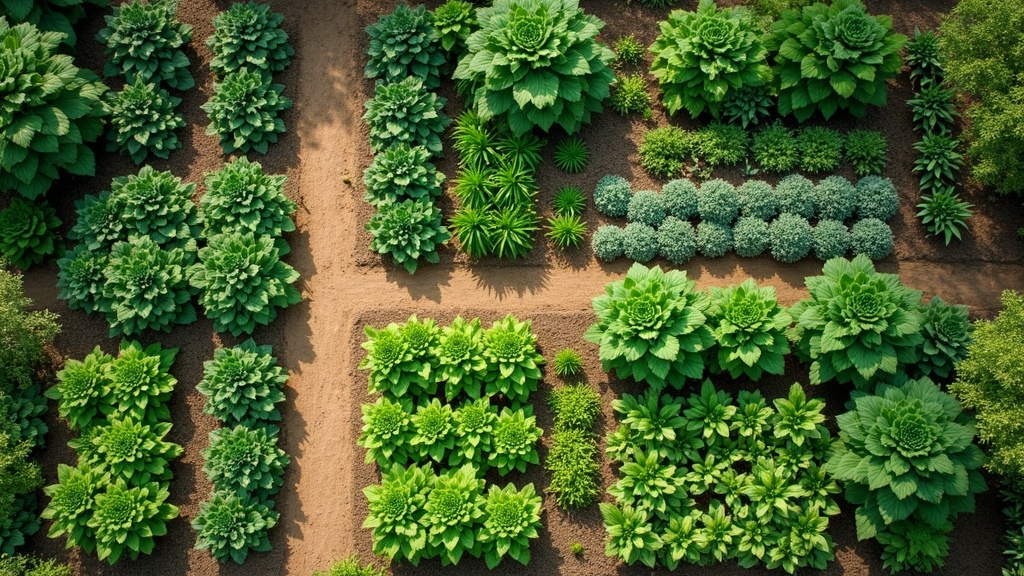
Planning a garden layout for the highest yield is something I get excited about every spring. When you take a bit of time to map out your beds, think about sunlight, and match crops to space, your harvest will thank you come summer and fall. Whether you’ve got a big backyard or just a few raised beds, a thoughtful plan saves time and helps prevent common headaches like overcrowded plants or wasted space. I’m sharing my favorite tried and true tips for boosting what you get from every square foot of growing space.
Understanding Why Layout Matters in Your Garden
When you start your garden by making a layout plan, you’re giving your plants a real head start. I learned the hard way that just dropping seeds in the ground without a plan usually means lower yields, too tight spacing, and wasted effort. Sun, soil, water, and airflow all play a role in turning seeds or seedlings into strong producers.
Planned garden layouts help with:
- Better Light Exposure: Placing the tallest plants where they won’t shade out shorter neighbors maximizes growth for all.
- Healthier Plants: Good spacing lets air circulate, keeping leaves drier and reducing issues with fungus or pests.
- Less Competition: Well spaced crops won’t compete as much for water and nutrients, so growth is steadier and harvests are bigger.
The routine of mapping out where everything goes gets smoother each year as you learn what works best for your specific space. Careful planning upfront means you get more to eat and waste less from plants that don’t thrive.
Assessing Your Garden Space
Before even picking up a packet of seeds, knowing your garden’s size, sunlight, and soil is pretty important. Here’s how I like to size up a space:
- Check Your Sun Patterns: Spend a sunny day noticing which areas get the most light from morning to evening. Most veggies love six or more hours of sunlight a day.
- Measure the Plot: Use a tape to get an idea of how many square feet or meters you have. This helps when figuring out spacing and which crops you can fit.
- Map Water Sources: Plan to keep thirstiest crops closest to where hoses reach or rain barrels sit.
- Test the Soil: A basic home test can tell you soil pH and fertility. Amending beds early gives you a boost at harvest time.
Sketching your yard or balcony out on graph paper is super useful. Just use one square per foot, and you can see size and scale at a glance.
Core Principles for Maximizing Yield
Boosting garden output isn’t about cramming as much as possible into the ground. It’s about smart choices. Here’s what works for me every season:
- Crop Rotation: Moving crops around each year helps prevent soil diseases and keeps nutrients balanced. I switch up heavy feeders like tomatoes with legumes that “feed” the soil.
- Companion Planting: Some plants grow better together, while others are better apart. Matching the right combos can give you a boost and save space.
- Succession Planting: As soon as quick crops like radishes are harvested, I follow with a new planting. This keeps your beds productive until frost.
- Vertical Growing: Using trellises or cages for plants like cucumbers, peas, and pole beans lets you get more from a small footprint.
- Optimized Spacing: Following the recommended distance between plants keeps them from crowding each other out. For smaller gardens, square foot gardening methods can help.
Drawing Up Your Layout: A Step-by-Step Guide
Here’s how I map my garden before the first seed goes in:
- Sketch the Shape: Draw the area to scale, marking out beds, paths, and key features like fences or trees that could cast shade.
- Mark Sun and Water: Shade in sunny and less sunny spots and note where watering is easiest.
- Plot Crop Families: Write in where you’ll grow different families so it’s easy to switch things up next year.
- Add Structural Elements: Place trellises or supports first, since these tall crops can throw shade.
- Plan Companion Combos: Match up pairs that help each other, like planting carrots with onions to throw off carrot flies.
- Fill Gaps Strategically: Slot in quick, early crops and make room for succession planting. Leave wide paths for easy harvests and weed pulling.
Adding a color code for different crops or sunlight zones can make it easier to spot where your garden might need some tweaks or extra attention during the season. You could also use garden design apps if you want to digitally map things out and easily move crops around without starting your whole sketch from scratch.
Common Hurdles and How to Tackle Them
Even with a good plan, gardens can throw surprises your way. Here’s how I handle a few classic problems:
- Dealing with Limited Space: Focus on high yield crops like leaf lettuce or cherry tomatoes, use containers, and grow upward wherever possible.
- Pest Pressure: Mixing fragrant herbs like mint or marigold among veggies messes with pests’ sense of smell. Physical barriers such as row covers or netting help too.
- Soil Quality Issues: Weak soil can be improved over time. I mix in compost every spring and use mulch to hold in moisture. Raised beds are another great option if your native soil is rocky or compacted.
- Watering Challenges: Drip irrigation systems or soaker hoses let you deliver water at the roots, bringing down evaporation and cutting down diseases caused by wet leaves.
Focusing on Sunlight
I pay close attention to which beds get morning compared to afternoon sun. Heat lovers like peppers and eggplants get the brightest patches, while leafy greens or herbs do well where there’s a bit of afternoon shade. The angle of the plot can really change your results. Setting up vertical gardening systems on the north edge helps sunlight reach everything in front.
Getting Spacing Right
One thing I see folks struggle with is putting plants too close together. It’s tempting to pack in small seedlings, but crowded plants wind up fighting for resources. I always use the spacing guides on seed packets and thin seedlings if they’re bunched up. For leafy greens, tighter plantings work, but root crops and big fruiters need extra room to grow well.
Keeping Up With Crop Rotation
Even in a tiny space, rotating crops every year makes a difference. I keep a notebook to record what grows where so I don’t plant tomatoes in the same spot for at least three years. This routine helps cut down on diseases and keeps pests on their toes.
Extra Tips for Squeezing Out Extra Harvest
Once you have the basics down, some tweaks can actually crank up your garden’s output:
Try Interplanting: Stagger fast and slow growers together. For example, tuck radishes or spinach in around tomatoes. These early crops are ready before the tomatoes need extra space to sprawl.
Pick Productive Varieties: Some cultivars just bring a bigger haul. Cherry tomatoes, bush beans, or zucchini are reliable choices for lots of fresh food from a small patch.
Keep Up on Harvesting: Picking fruits and veggies at the right stage encourages more to grow. Don’t let beans or squash grow too big; smaller picks taste better most of the time.
Don’t Forget Mulch: Spreading straw or leaf mulch between plants saves water, keeps beds cooler, and cuts down on weeding.
Handy Equipment for a High Yield Garden
Having just a handful of good tools can make the work go much easier and help your layout thrive. I like using:
- Good Quality Trowel for digging and transplanting.
- Sturdy Garden Rake to smooth beds and spread mulch.
- Measuring Stick or Tape to keep plant spacing just right.
- Labels or Stakes so you remember what’s growing where.
- Trellises and Cages for beans, tomatoes, and climbing crops.
Staying organized and labeling plants means no more mystery seedlings popping up where you didn’t expect, and it’s easier to share tips with neighbors when you can quickly see what’s worked in each bed over time.
FAQs: Your Garden Layout Questions Answered
Here are some things newer gardeners often ask me:
Question: How do I plan for continuous harvest?
Answer: Make a planting calendar and add new crops every couple of weeks. Quick crops like lettuce or radishes are great for this. Rotate or remove spent plants and keep filling in empty spots as the season goes on.
Question: What’s the best way to map my garden layout?
Answer: Use graph paper or gardening apps. Both give you a visual sense of space, sunlight, and where each crop goes. I like saving each year’s map so I can track what worked (or didn’t).
Question: Which crops are best for small gardens?
Answer: Leafy greens, green beans, bush tomatoes, and herbs. These are high producers in small spaces and can thrive in containers or raised beds.
Getting Started With Your Own Productive Garden
Planning a productive garden layout is a blend of common sense, observation, and a bit of creativity. Each season brings the chance to tweak your setup and try something new. Whether you’re just starting out or want more out of your current garden, careful mapping pays off all season long. Here’s to a thriving and overflowing harvest—happy growing!