
Waterlogged soil and poor drainage can quickly turn a thriving raised garden bed into a soggy mess. I’ve faced this situation multiple times, so I know how important proper drainage is for keeping plants healthy and giving yields a boost. When raised beds drain well, plant roots breathe easier, and you contend with fewer issues like root rot, fungus, or nutrient deficiencies. In this article, I’ll jump into practical steps you can take to improve drainage in your raised garden beds.
Why Drainage Matters for Raised Garden Beds
Drainage isn’t something to overlook if you want a garden bed full of robust, happy plants. Good drainage means water passes through the soil at the right pace. Roots get enough to drink, but water won’t pool on the surface or turn your bed into a muddy swamp.
Raised beds typically drain better than traditional inground gardens, but that doesn’t guarantee you’ll never run into puddles or soggy patches. Problems often show up with heavy clay soils, beds placed right on concrete or hardpan, or when it’s easy to overwater. When water lingers in the soil, roots suffocate, helpful microbes struggle, and plants can become weak or stunted.
Getting the drainage right can make a big difference, especially if you grow veggies that disklike wet feet—like tomatoes, peppers, carrots, or herbs. Even flowers and perennials thrive when their roots get enough oxygen and don’t have to fend off diseases tied to too much moisture. In short, better drainage means a richer, more resilient garden.
Key Factors That Influence Drainage
Several things affect how well your raised beds drain, and just a little checking can help you spot what’s slowing your garden down:
- Soil Structure: Rich, crumbly soil lets water move through. If your soil is mostly clay, it gets dense and compacts, trapping water for too long.
- Bed Construction: The design and materials (wood, metal, stone, or plastic) don’t block water directly, but liner use, weed fabric, or solid bottoms can slow drainage.
- Placement: Raised beds on asphalt, compacted ground, or even areas of grass with poor absorption can trap water right where you don’t want it.
- Watering Habits: Heavy watering or frequent sprinkling means more runoff and pooling, especially with dense soil.
You’ll notice drainage issues if water sits on top after rain or watering, or if you dig down into the soil and find standing water just a few inches below. Fixing these issues begins with spotting the real cause in your garden setup.
Simple Soil Tweaks for Better Drainage
Soil fixes are usually the fastest way to give a boost to drainage. If your raised bed holds too much water, a few well-chosen changes to your soil mix can make a huge difference.
- Add Organic Matter: Mixing organic material such as compost, well-rotted manure, leaf mold, or coconut coir into heavy soils improves structure, creates more porosity, and helps water pass through instead of pooling. Bringing in a few buckets of compost every season does wonders for most gardeners.
- Mix In Gritty Amendments: Coarse sand (not play sand), pine bark fines, or even small gravel can step up drainage by breaking up sticky clay. Just go easy—around 20% total amendments by volume blended well is a good rule. Dumping too much sand into clay can make the soil brick-like, which defeats the purpose.
- Limit Fine Materials: Don’t pile in too much peat moss if your soil is already heavy. Peat is great for moisture retention, but sometimes it holds onto water too long.
You may need to do some digging and mixing, especially if your raised beds are already filled and in use. If your soil has become compacted, aerate it with a garden fork before adding amendments. This helps make pathways for water movement and overall better soil health.
Building and Placing Beds for Better Drainage
The way you build your beds and their placement can strongly affect how water moves through the soil. Try these practical approaches:
- Open Bottoms: Avoid solid bottoms or liners that block water. Beds placed directly on earth or slightly loosened ground let water escape easily below.
- Raise Beds Higher: Standard beds are 6-12 inches tall, but for areas of heavy clay underneath, taller beds—18 inches or even more—offer extra room for water to move through improved soil without getting stuck near roots.
- Elevate or Slope Beds: If your yard puddles, consider gently angling beds so excess water drains away from the growing area.
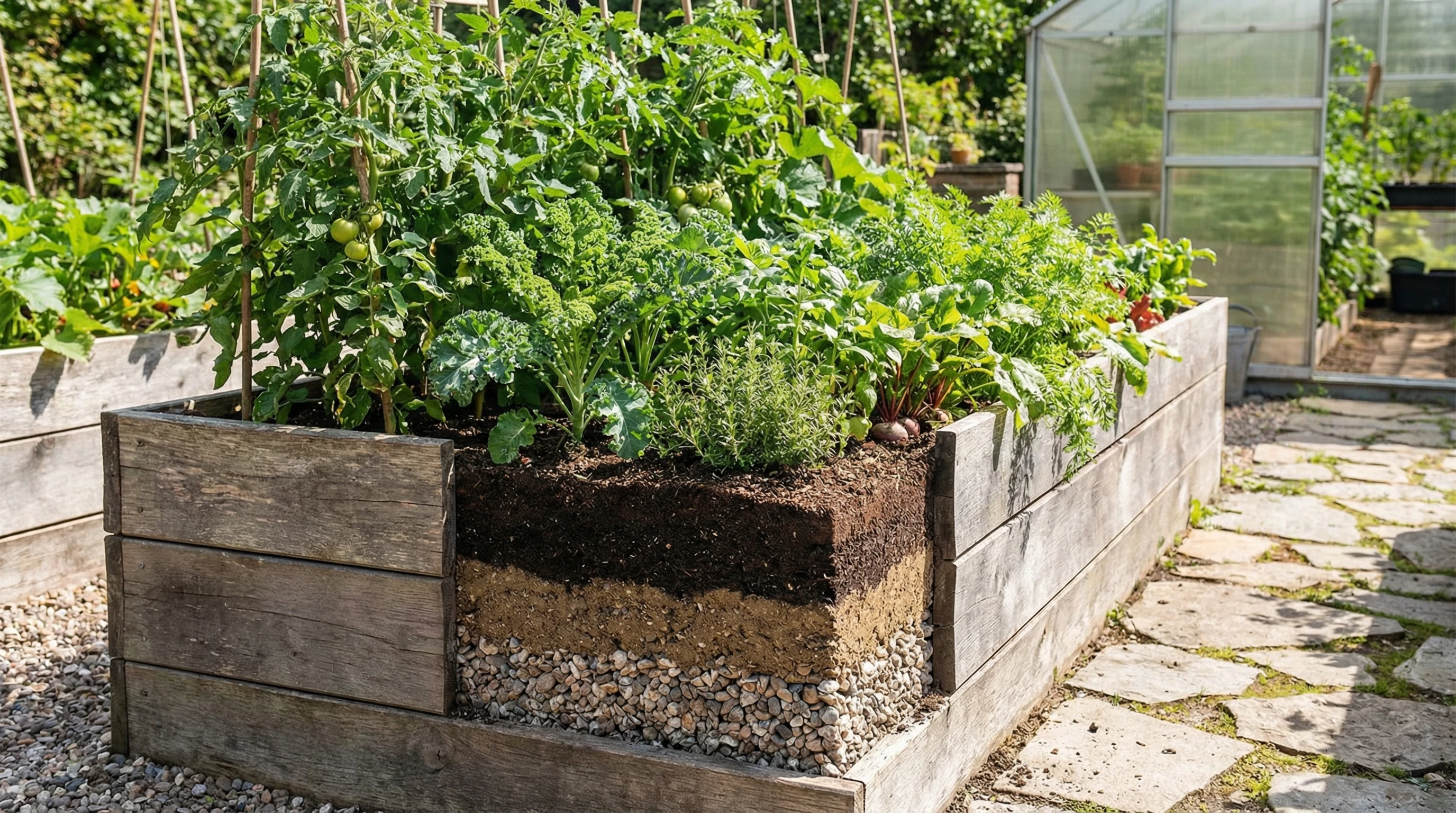
- Install Drainage Layers: Put a 1-2 inch layer of coarse gravel at the base before adding soil. This helps water collect and seep away from plant roots.
- Drill Drainage Holes (For Containers): For container-style raised beds made of wood, plastic, or metal, drill holes at the bottom and sides so water doesn’t get trapped inside.
Also, check the placement of your raised beds throughout the season. Sometimes, a spot that worked in the spring floods after summer rains, or vice versa. Being able to move lighter beds or raise them with bricks or blocks can save a season’s harvest if you notice persistent wet spots.
Smart Watering Habits to Prevent Waterlogging
How you water is just as important as your soil and bed design. Getting into smart habits keeps drainage problems under control:
- Water Deeply, Infrequently: Instead of a daily sprinkle, give your beds a thorough soak once or twice a week. This encourages deep roots and reduces the chances for surface runoff and water buildup.
- Check Moisture Before Watering: Stick a finger into the soil or use a moisture meter. If it’s still damp two inches down, wait a day or two before watering again. This prevents accidental overwatering, especially after rain.
- Mulch to Regulate Moisture: A mulch layer (straw, wood chips, or shredded leaves) regulates temperature, holds just enough moisture, and protects against wild swings in weather. It also cuts down on muddy splashes and helps organic matter slowly blend into the soil for long-term drainage improvement.
Also, notice how plants respond throughout the season. Checking more often during rainy spells, and easing up during hot, dry streaks keeps your schedule in tune with real garden needs.
Troubleshooting Stubborn Drainage Issues
Even with the best care, stubborn spots sometimes stay too wet. Here are more ways to fix persistent issues:
- Dig a French Drain: Cut a trench beside the bed, fill it with gravel, and guide water away from problem areas. A simple French drain can solve recurring wet zones at the roots.
- Subsurface Drainage Pipe: In areas with lots of clay or runoff, you might need a perforated pipe at the base of your beds. Slope it away to direct extra water toward a drain, ditch, or rain garden.
- Switch Up Plant Selection: If you can’t fix all your wet spots, pick some wet-loving plants for those spots—certain irises, mint, or marsh marigold handle those conditions better than most veggies.
Keep records and take photos each season. You’ll spot trends faster, and you can tweak your setup as you figure out what works best for your particular space.
Frequently Asked Questions
Drainage questions pop up a lot from folks new to raised beds. Here are some of the most common:
Question: How can I test my soil’s drainage before planting?
Answer: Dig a foot-deep hole in your raised bed, fill it with water, and watch how fast it empties. If it drains in less than two hours, drainage is good. If the water lingers overnight, get started on soil improvements before planting.
Question: Can I use rocks or gravel at the bottom of my bed?
Answer: Yes; scrape in a thin 1-2 inch layer. That helps water collect at the base and move away fast, especially if your ground is slow-draining.
Question: What’s the best soil mix for drainage in raised beds?
Answer: A mix of one-third rich compost, one-third topsoil, and one-third coarse sand, pine fines, or perlite offers nutrients, aeration, and plenty of drainage for most crops.
Question: Do all raised beds need drainage holes?
Answer: Beds sitting on open ground don’t generally need holes. For those on patios or hard surfaces, be sure to add holes at the base and sides to help with water escape.
The Payoff: Happier Plants and Better Harvests
A raised bed with good drainage sets you up for lush gardens and fewer headaches. Fixing soggy spots usually involves tweaking the soil, making slight changes to your bed design, or fine-tuning your watering habits. Once you get your system working smoothly, you’ll notice healthier plants, stronger roots, and a heavier harvest. Whether you’re battling compact clay or looking to splurge with rare veggies, paying attention to drainage goes a long way in making your gardening adventure successful and more enjoyable.