
Creating a butterflyfriendly flower garden is a rewarding project that mixes beauty with a bit of backyard wildlife conservation. With butterflies becoming more threatened by habitat loss, urban expansion, and chemical use, giving them a cozy stopover or year-round home makes a real difference. I’ll break down how to build a flower garden that invites butterflies in and keeps them coming back for more. Along the way, you’ll build a deeper connection with nature and see your yard change in eye-catching ways.
Why Butterflyfriendly Gardens Matter
Butterflies do a lot more than just look pretty; they’re involved in pollination, helping many of the plants and flowers we rely on to keep thriving. In some places, native butterflies are seeing their numbers go down, making backyard gardens an important player in their survival. When you choose a butterflyfriendly approach, you’ll also attract hummingbirds, bees, and helpful insects, turning your garden into a lively little ecosystem.
Butterfly gardens have become popular all over the world, and more gardeners are picking up on their practical and natural benefits. Not only do these gardens look colorful through spring, summer, and fall, they also encourage natural pest control and support plant diversity, which ends up benefiting everyone: plants, bugs, birds, and even you.
In addition to their important role in pollination and maintaining plant health, butterflies also act as indicators of a healthy environment. Seeing lots of butterflies suggests that your garden is supporting a wide range of insects, birds, and micro wildlife, thus building a balanced ecosystem. If you want a natural way to add motion, color, and life to your yard, butterflies are among the best choices.
Getting Started: Planning Your Butterfly Garden
Before planting a single flower, having a good game plan helps a lot. There’s more to attracting butterflies than just mixing random flowers. Think about space, sunlight, and protection from wind. Most butterflies love soaking up the sun, so choose a sunny spot that gets at least 5-6 hours of sunlight each day. Plants tucked in sheltered corners away from strong wind hold butterflies longer since they don’t do well in blustery conditions.
Butterflies prefer gardens that look a bit wild, with plenty of nectar and host plants close together. Don’t spend too much time worrying about perfect straight edges. Setting up rocks or a shallow puddling dish lets butterflies rest and sip water, giving them extra reasons to stick around.
- Sunshine: Butterflies are coldblooded and warm their wings in the sun.
- Wind Protection: Shrubs, trellises, or a fence can help create a calm spot.
- Diversity: Mix different flower shapes, heights, and colors for variety and long bloom seasons.
- Water Source: A shallow dish with wet sand offers safe drinking spots.
It’s also worth remembering that butterflies feel safer when they can hide from predators nearby. Add a bundle of long grasses or a small shrub to give butterflies a place to tuck away if birds or other dangers come around. Simple features like this help them linger instead of just passing through.
How to Choose the Best Flowers and Plants for Butterflies
Butterflies are kind of picky; certain plants attract them for nectar, while others are needed as spots for laying eggs and feeding caterpillars. Mixing both nectar and host plants in your garden really boosts your chances of hosting a butterfly’s full life cycle. Here’s the lowdown on what to grow:
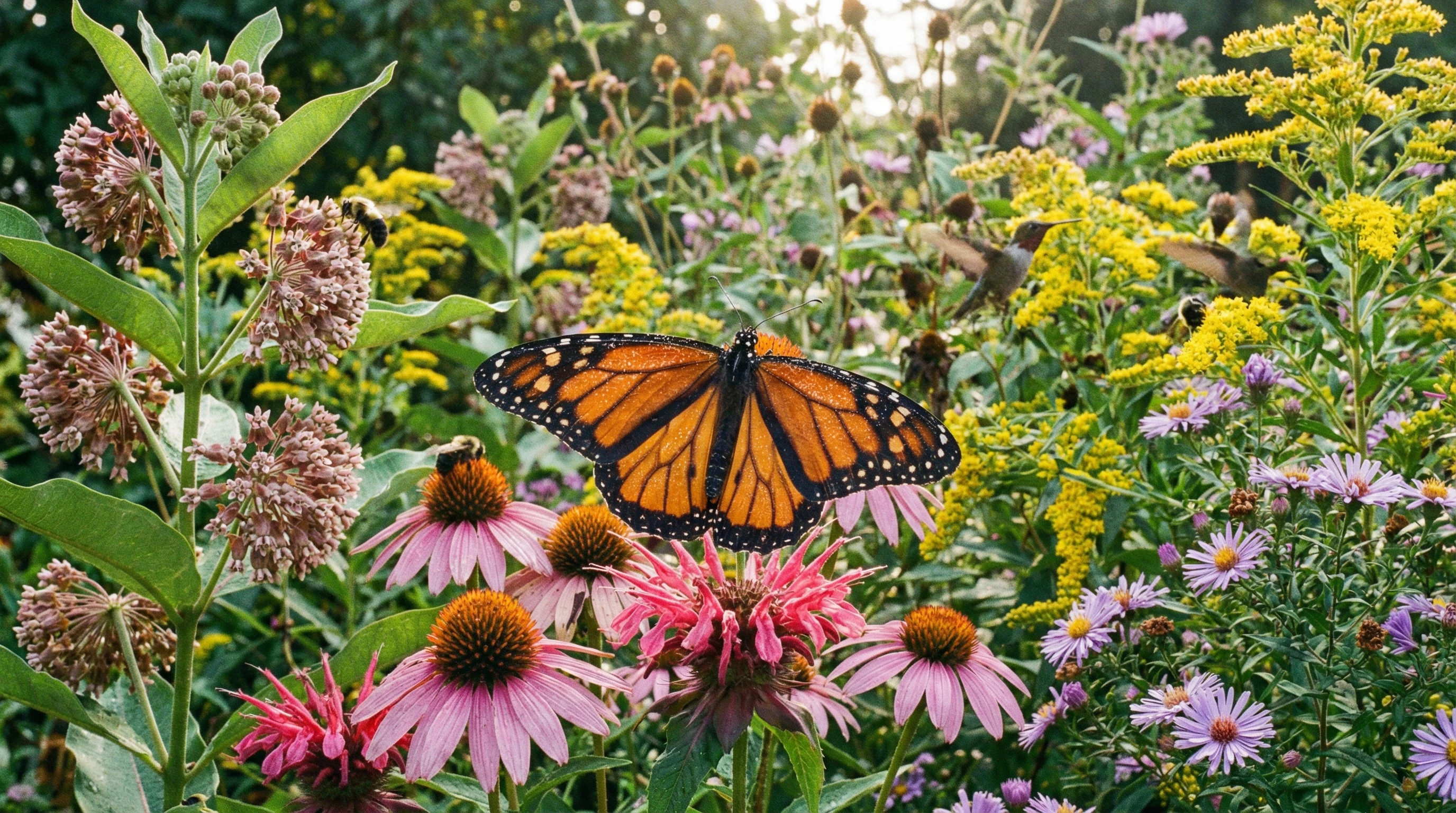
- Nectar Plants: These are flowering plants loaded with sweet nectar, like purple coneflower (Echinacea), butterfly bush (Buddleia), milkweed (Asclepias), zinnias, and blackeyed Susan (Rudbeckia). Grouping them in clusters makes them more noticeable and easier for butterflies to find.
- Host Plants: These support caterpillars, so butterflies will actually lay eggs in your garden. Think milkweed for monarchs, parsley and dill for swallowtails, and nettles for red admirals. Without host plants, the garden offers only a quick snack but no reason to come back year after year.
- Native Varieties: Butterflies have evolved with local plants, so choosing natives means better blooms and more regular traffic from hungry pollinators. Native plants tend to be pretty low maintenance and tough, too.
Some other nectar-rich favorites are lantana, Joe-Pye weed, and goldenrod. For host plants outside of the classics, consider planting spicebush for the spicebush swallowtail, or passionflower for the gulf fritillary. Pairing nectar and host plants in the same area keeps both adult butterflies and their caterpillars happy.
Simple Steps to Start a Butterfly Flower Garden
- Pick Your Spot: Find a sunny area with a bit of wind protection and enough room for at least a handful of different flowers.
- Prep the Soil: Mix in compost or organic matter to get your plants off to a solid start. Butterflies don’t care if your soil is perfect, but healthy soil means more consistent blooms.
- Plant in Clusters: Place tall flowers at the back, medium in the middle, and low at the edges. Planting the same kind of flower in groups of three or five makes it easier for butterflies to spot them.
- Add Host Plants: Mix in at least a few species for caterpillars to munch on. Set these away from the most visible spots if you want to skip seeing chewed leaves.
- Liven Things Up: Tuck in flat stones for sunbathing and place a shallow dish of water or sand for puddling. These extras help butterflies stay longer.
When planting, press soil firmly around the roots to keep your flowers steady. Mulching helps conserve moisture and prevents weeds, which is especially helpful for gardens in hot or dry climates. As your plants establish, water them regularly and watch as both flowers and butterflies start to fill in your space.
What to Watch Out For: Common Challenges
- Pesticides: Even a tiny amount can drive away or seriously harm butterflies. Skip chemical sprays as much as possible and try natural pest solutions like soapy water or introducing ladybugs.
- Invading Weeds: Weeds compete for nutrients and make your garden a little less inviting. Handpulling works best and lets you spot butterfly eggs or chrysalises more easily.
- Extreme Weather: Drought, heat, or storms might slow your flowers down. Mulch helps your soil retain moisture, and watering in the morning cuts down on plant stress.
Pesticidefree Gardening
Butterflies, especially the caterpillars, are sensitive to pesticides and insecticides. Spraying even nearby lawns and gardens can hurt populations, so it helps to stick to natural methods and create a chemicalfree zone. You’ll probably notice an uptick in spiders, frogs, and even birds that help control the pests naturally. There are many effective homemade sprays, like garlic or hot pepper mixtures, that deal with unwanted insects without threatening pollinators.
Encouraging Natural Balance
Over time, your garden builds up its own minicomm unity. Birds and small mammals visit for seeds and insects, and the mix of flowers supports pollinators through most of the year. Keeping with native plants and cutting back dead stems only in late winter gives wildlife plenty of places to shelter through cold months. Keeping dead leaves and stems until late winter gives overwintering insects protection as well.
Extra Tips to Attract More Butterflies
Once you’ve got the basics down, a few small tweaks make your garden even more inviting for butterflies. Here are some things I’ve found really helpful:
Choose a Range of Bloom Times: Include flowers that bloom in spring, summer, and fall, so there’s always nectar available. Early flowers like violets, midseason favorites like bee balm, and latesummer asters are all good picks.
Skip Overly “Fancy” Hybrids: Some big, doubleblooms or heavily hybridized flowers don’t offer as much nectar. Oldfashioned and native varieties are usually the best for butterflies.
Leave a Mess in Fall: Don’t rush to tidy up your garden as soon as the flowers fade. Many caterpillars and chrysalises overwinter on dried stems or under leaf piles. Cleaning up in late winter helps protect next year’s guests.
Practice Patience: The butterflies might not swarm your garden from day one. Sometimes it takes a season or two for word to spread. However, every year you add or upgrade your garden, more butterflies may find their way in.
Consider placing your butterfly garden near a window or patio, so you can relax and watch nature in action. Keeping a simple log of which butterflies you spot is a fun way for kids and adults alike to see progress each season.
Butterflyfriendly Flower Gardens: RealLife Wins
- More Pollinators: You’ll likely notice bees, hoverflies, and moths moving in, drawn by the same flowers as butterflies.
- Less Lawn Work: The more flowers and native plant beds you cultivate, the less time you spend mowing grass or dealing with plain turf.
- Keeps Kids Curious: Butterfly gardens are a great way to spark kids’ interest in nature. Watching caterpillars, chrysalises, and adult butterflies can kick off all sorts of small science adventures in your backyard.
- Neighborhood Buzz: People love seeing monarchs float past or swallowtails hovering at purple coneflowers. You might find yourself giving cuttings and advice to other neighbors who notice your thriving spot.
Beyond visual benefits, your efforts may also inspire community members to create their own butterfly-friendly gardens, leading to a greater patchwork of pollinator habitats across neighborhoods.
Frequently Asked Questions
Here are answers to questions gardeners often have about butterfly gardens:
Question: Do butterfly gardens require full sun?
Answer: While most butterflyattracting flowers need good sunlight, a few shadetolerant species like violets and woodland phlox exist. The more sun, the more blooms, and the more butterflies you’ll see.
Question: How can I keep caterpillars from destroying my garden?
Answer: Chewed leaves are a sign you’re hosting butterfly babies! Planting extra host plants spreads out the snacking. If it’s getting out of hand, check for pests like slugs or beetles sneaking in; those are the ones you want to watch.
Question: Should I use feeders or just flowers?
Answer: Flowers provide natural nectar, which butterflies prefer over sugarwater feeders. If you put out a feeder, clean it often and use only a weak sugar solution. A good mix of flowers is the top choice.
Final Thoughts: Growing a Butterflyfriendly Flower Garden
Building a butterfly friendly garden comes down to a mix of the right species, a little patience, and letting your garden grow in a way that’s relaxed and welcoming. You’ll enjoy blooms, colors, and fluttering wings all season, and get a glimpse into the lives of some of nature’s most interesting visitors. If you’re curious to start, focus on sunlight, skip the chemicals, and be ready for your new garden guests. The eye-catching beauty, natural learning opportunities, and environmental boost are well worth the small effort of planning and planting.