Aphids are one of those garden visitors that can turn healthy, beautiful rose bushes into a real mess if left unchecked. These tiny soft-bodied insects love to feast on tender new growth, and when their numbers explode, they can cause curled leaves, yellowing, stunted shoots, and a sticky mess known as honeydew. Luckily, you don’t have to turn to harsh chemicals to keep aphids in check. There are plenty of natural methods that work well for both you and your roses. Here, I’m walking you through everything you need to know for controlling aphids naturally on rose bushes. These methods are safe, easy, and can give your whole garden a boost while keeping those pesky aphids at bay.
Understanding Aphids on Roses
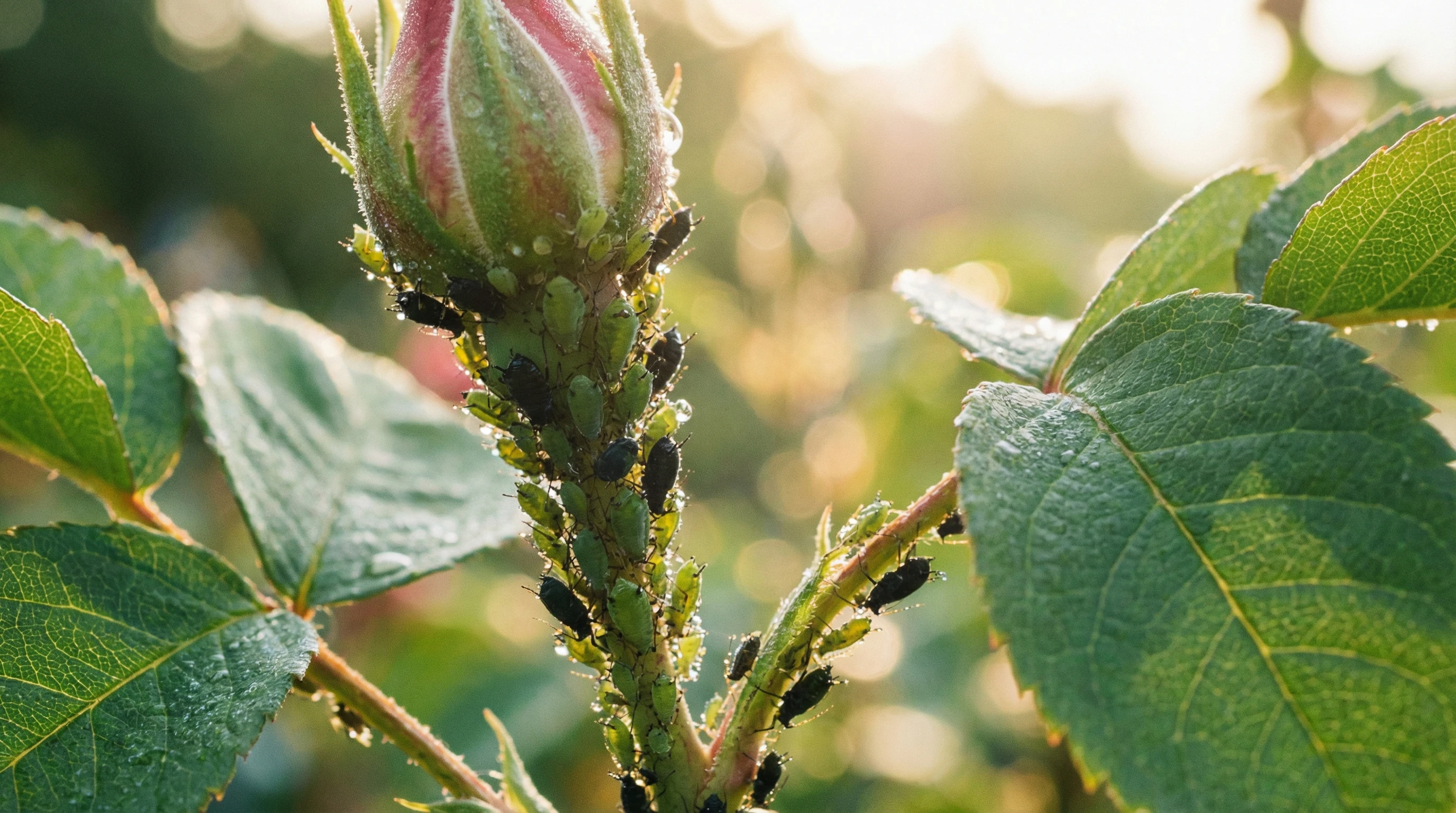
Aphids are tiny green, black, brown, or yellow bugs found in clusters on fresh rose buds, stems, and the undersides of leaves. They thrive in spring and early summer when new growth is soft and full of nutrients. Besides sapping the energy from your roses, aphids can also spread plant viruses and attract ants, thanks to the sticky honeydew they leave behind.
If you spot stunted shoots, misshapen leaves, glistening sap, or see ants crawling up and down the stems, that’s a good sign you’ve got an aphid problem. Catching them early is really important for natural control to work best. Sometimes you might even find leaves curling or new buds failing to open. Being observant and checking regularly goes a long way toward stopping aphids before things get bad.
Simple Physical & Manual Controls
The easiest way to start fighting aphids doesn’t require anything fancy. For small infestations, I just run my thumb and forefinger along the affected shoots and buds, squishing or brushing the bugs right off. It might sound a bit gross, but it is effective for early season outbreaks. For those who would rather not use their hands, a soft brush or even a damp cloth can also help to wipe aphids away gently from stems and leaves.
Another method that’s super effective is blasting your rose bushes with a strong stream of water from the hose. Focus on the undersides of leaves and new growth. Aphids aren’t strong climbers, so most get washed away and don’t return quickly. Repeat this every few days to keep numbers low. This approach also helps dislodge some of the honeydew, which discourages ants and mold growth around the roses.
Encouraging Natural Aphid Predators
Nature already has its own pest control system in place if you give it a chance. Aphids are a favorite food for ladybugs (ladybirds), lacewings, and hoverfly larvae. Birds like chickadees and wrens also snack on aphids. Here’s how I bring more of these garden helpers to my roses:
- Ladybugs: You can buy live ladybugs, but I get better results making the garden inviting so wild ones move in. Plant pollen rich flowers like dill, yarrow, and coreopsis around roses to attract them.
- Lacewings: The larvae are super useful against aphids. Grow flowers like cosmos, sweet alyssum, or daisies to lure in the adults.
- Hoverflies: These tiny bee lookalikes lay eggs near aphids, and their young gobble them up. Flowers like marigold, calendula, and fennel attract hoverflies easily.
- Encourage Birds: Add birdbaths, thorny shrubs, or nesting spots near your roses. Birds pick off both aphids and caterpillars while they hunt.
If you’ve used chemical sprays in the past, it may take a while before beneficial insects return, so be patient. Avoid broad spectrum insecticides, even organic ones, since they can kill both the pests and the helpful bugs that keep your garden balanced. Keeping an eye out for early signs of positive changes, like more ladybirds or birds making visits, is a good way to measure your progress. Patience pays off over time.
Natural Sprays That Work
Sometimes you need to kick things up a notch, especially with heavier infestations. There are a few safe sprays I use that do the trick without harming me, the soil, or most beneficial insects (when used at the right time):
- Insecticidal Soap: I make a simple spray by mixing a teaspoon of mild liquid soap (like Castile) in a quart of water. Spray this directly onto aphids, focusing on all plant surfaces but especially the undersides of the leaves. Repeat every few days until aphid numbers drop. The soap works by breaking down the protective coating on aphids, causing them to dry out.
- Neem Oil: Neem comes from the seeds of the neem tree and messes with the pests’ ability to grow and eat. I follow the label directions and apply early in the morning or late in the day to avoid bothering pollinators. Neem not only targets aphids but also helps with powdery mildew, offering an added benefit for healthy roses.
- Homemade Garlic or Pepper Spray: For a DIY solution, blend a couple of garlic cloves or one hot pepper with water, strain, and spray every few days. Just keep in mind these sprays won’t tell the difference between aphids and other soft bodied bugs, so only spray problem areas. Always wear gloves when applying homemade sprays to protect your skin and avoid accidentally irritating your eyes.
Always test your spray on a small patch of your rose bush first. Some rose varieties are sensitive, and you don’t want to accidentally burn the leaves. Keeping things gentle and monitoring closely will save you a lot of frustration.
Companion Planting & Garden Design for Aphid Prevention
The layout and variety of plants in the garden can make a huge difference in keeping aphids away from roses.
- Plant Aromatic Herbs: Strong scented herbs like chives, garlic, basil, or mint can confuse aphids and deter them from landing on roses. I tuck chives and garlic right at the base of my rose bushes, plus they double as kitchen herbs.
- Distract With “Trap” Plants: Nasturtiums, calendula, or sunflowers act as magnets for aphids. I plant these a little distance from my roses as sacrificial plants, so aphids pile onto them instead of my prized roses. If the trap plants get overloaded, I discard the infested parts or trim them down.
- Interplant Beneficial Flower Species: Flowers like marigold, alyssum, and cosmos pull in hoverflies and lacewings, which help keep aphids under control naturally. Having a good mix of flowers around the garden benefits all predator insects and steps up natural pest management overall.
Mixing herbs, sacrificial plantings, and friendly flowers around your roses not only looks great—it ramps up your defense against aphids in a natural way. Designing with variety in mind means fewer pest issues and more blooms for you to enjoy.
Common Challenges and How to Handle Them
Even with the best natural strategies, sometimes aphids come back stronger than ever. Here are some issues I’ve run into and what has worked for me:
- Persistent Reinfestation: If you see aphids returning week after week, check nearby weeds or garden plants. Sometimes aphids are moving in from there, so include these areas in your spray or water blast routine.
- Ants Protecting Aphids: Ants harvest honeydew and actually guard aphids from predators. If you spot lots of ants climbing your roses, use a sticky barrier around the base of your rose bush or sprinkle diatomaceous earth to discourage ants from helping aphids.
- Weather Conditions: Rain washes away both aphids and some natural sprays. If populations bounce back after wet weather, simply reapply your chosen spray or repeat the hose treatment.
- Stressed Roses: Aphid outbreaks are noticeably worse on weak or stressed plants. Water, mulch, and feed your roses regularly to keep them healthy and less attractive to pests. Healthy plants bounce back much faster from damage and rarer infestations.
Keeping notes about when and where frequent outbreaks happen can help you spot trends and find lasting solutions, too.
Quick Reference: Proven Natural Aphid Control Techniques
Here’s a rapid-fire checklist of what I do during aphid season for rose bushes:
- Regular Checks: Inspect new growth closely every few days, starting in early spring. Early detection makes a huge difference.
- Manual Removal: Squish, wipe, or blast away small infestations before they spread to other shoots or bushes.
- Encourage Predators: Step up your efforts with ladybugs, lacewings, and hoverflies by planting their favorite flowers and herbs.
- Apply Natural Sprays: Use soap, neem, or homemade garlic and pepper mixes for heavier infestations, but always test a small area first.
- Manage Ants: Block ants from climbing your bushes, because their protection can increase aphid populations fast.
- Keep Roses Healthy: Mulch, water deeply, and feed regularly to build plant strength and reduce stress, which makes plants less appealing to pests.
By combining several of these steps you make it hard for aphids to stick around. It’s not about doing everything perfectly, but about creating an environment where natural balance does most of the hard work for you. Sometimes just a small adjustment to your routine makes a big difference.
Frequently Asked Questions
Q: Will these natural methods hurt bees or butterflies?
A: When used as I described — spraying early morning or evening and avoiding open flowers — most natural sprays and techniques don’t pose a problem for pollinators. Always skip spraying when bees are actively visiting your roses to keep them safe.
Q: Why do I keep seeing aphids after spraying?
A: Sprays kill aphids that are present at the time, but new ones can fly or crawl in from outside areas. That’s why using a combo of methods, like encouraging predators and using physical removal, works best for lasting control. It’s normal to see a few aphids even after treatment. The goal is to keep their numbers low enough that damage isn’t an issue.
Q: Do aphids damage roses permanently?
A: When caught and handled quickly, most aphid damage is temporary. Leaves may stay curled or discolored, but roses usually recover well with a little extra care after treatment. Make sure the plant is watered, fed, and pruned as needed, and it should bounce back in no time.
Final Thoughts
Naturally controlling aphids on roses is about building up the right balance in your garden and staying on top of outbreaks early. Healthy roses, lots of beneficial insects, and a few smart tricks with water or safe sprays keep your blooms looking their best all season. I’ve found these approaches not only help with aphids, they make the whole garden a little more alive and beautiful overall. The extra effort pays off with stronger roses and a yard buzzing with life!