
Getting your garden ready for the colder months isn’t just good for your plants, but it’s also pretty rewarding for me as a gardener. Doing a little prep in the fall helps protect your hard work, keeps the yard looking good, and even sets things up for a better spring. I’ve picked up some handy steps over the years to help any garden, big or small, survive winter without a hitch.
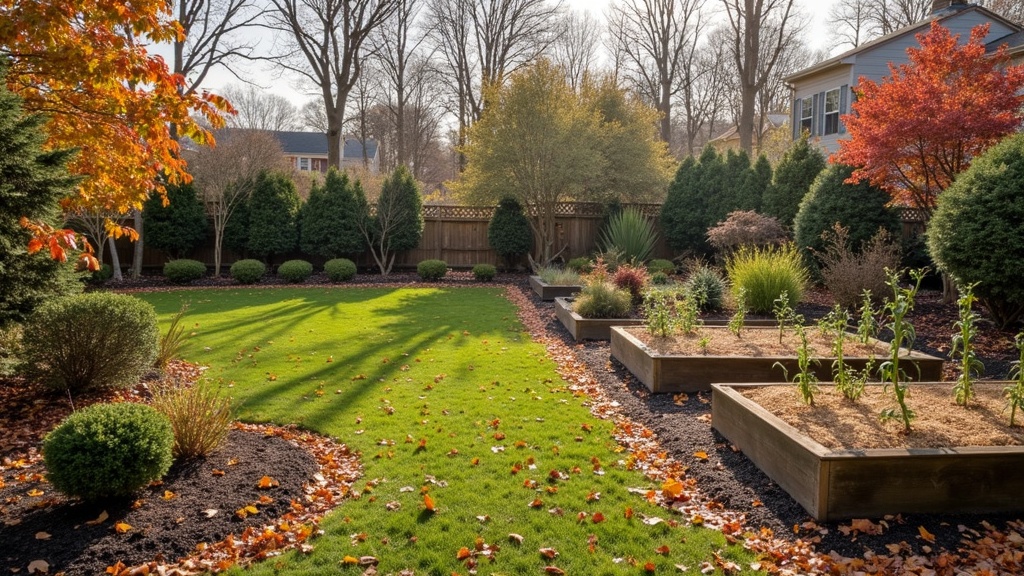
Why Winter Prep Matters for Your Garden
When I first started gardening, I honestly thought the garden just went to sleep for winter and I could ignore it until spring rolled around. Turns out, plants and soil need a bit of support to handle frosty temps, biting winds, and soggy or frozen ground. A little bit of work now protects perennials, bulbs, soil structure, and even garden tools. Prepping for winter doesn’t just help things survive; it can actually make your next season a lot smoother and greener.
Winter weather can be tough. The freeze-thaw cycle, cold winds, and heavy snows can damage roots, kill off tender perennials, and bring pests or diseases out of hiding. Mulch, cleanup, and some smart moves lower those risks. Plus, I’ve found that solid prep helps the garden wake up strong and healthy come spring.
Step by Step: Preparing Your Garden for Winter
Breaking tasks down into steps makes a big difference, so nothing is forgotten and you’re not left out in the cold scrambling on a frosty morning. Here’s a rundown I use each year when buttoning up my own space:
- Clear Out Spent Plants: Start by pulling annuals that are done for the season and trimming down perennials that need it. Remove old vegetable plants to stop diseases and pests from overwintering. Toss diseased or infested plant material in the trash rather than the compost bin.
- Weed Thoroughly: Weeds can quietly set seeds or go dormant and come back even stronger in spring. Take some time to pull them out, and this is one of those tasks that future-you will appreciate.
- Amend the Soil: Fall is a great time to add compost, leaf mold, or well rotted manure. The freeze-thaw action in winter helps break these down into the soil, making nutrients available for the following year. Rake them in lightly, but there’s no need to till too deeply.
- Mulch Garden Beds: After the first hard frost, spread a fresh layer of mulch around perennials, trees, and shrubs. Use straw, shredded leaves, pine needles, or bark. Mulch keeps soil temperatures more stable and protects roots from freeze damage.
- Water Before the Ground Freezes: Roots dry out faster in cold, windy weather. Give everything a deep soak before the ground freezes up, especially evergreen shrubs and any new plantings.
- Protect Tender Plants: Some plants need a little extra help. I wrap young trees and delicate shrubs with burlap or old sheets to guard against windburn. Potted plants can be grouped together in a sheltered spot or even brought indoors if needed.
- Clean and Store Tools: Remove dirt, sharpen blades, and rub a little oil on metal parts. Store tools indoors or in a dry place so they’re ready to go in spring. Don’t forget about hoses, watering cans, and outdoor faucets; drain and put them away to avoid freezing.
- Plan for Wildlife: Leave some seed heads and leaf piles in out of the way corners for birds and beneficial insects. Creating places for wildlife helps with pollination and pest control next year.
Things You Need to Think About Before First Frost
Every garden’s a little different, so it pays to take a close look at what you have before getting into things. Here are some things I check:
- Know Your Zone: USDA Hardiness Zones make it easy to understand which plants are likely to overwinter successfully. If you’re new to gardening or in a new place, it’s worth checking your zone.
- Identify Perennials and Annuals: Some annuals will reseed, but most aren’t coming back after frost. Perennials either die back and return in spring or keep some greenery above ground through winter. Noting which is which helps with cleanup.
- Vulnerable Plants: Some perennials, like lavender or rosemary, or borderline hardy trees might struggle depending on your climate. These can use a little extra protection; mulch, windbreaks, or row covers work well.
- Disease and Pest Problems: If you had mildew, blight, or pest infestations during the growing season, be sure to clear out and dispose of affected debris instead of composting it.
- Plan for Your Spring: Take notes or snap some photos before everything dies back. I’ve found this makes it way easier to remember what was where and spot gaps for next year’s plantings.
Soil and Compost Basics
Healthy soil gives you healthy plants, so I like to use fall to get compost started or pile up leaves in a slow, cold heap. Even if you don’t have a fancy compost bin, a basic pile of kitchen scraps and yard waste turns into black gold for spring applications.
Besides compost, autumn is a smart time to sprinkle garden lime if your soil leans too acidic. A soil test kit from the hardware store can help you track down any nutrient problems early, so you’re not scrambling come planting time. As winter sets in, earthworms and microbes slowly break down what you’ve added, making soils richer for your next round of planting.
Mulch: Types and Application
Mulch isn’t just about looks. It keeps roots cozy, locks in soil moisture, and slows down weeds. My go-to’s are chopped leaves and straw. For vegetable beds, I sometimes use untreated grass clippings. Remember not to pile mulch right up against plant stems; that can invite rot.
Bark chips and pine needles work well for shrubs and perennial borders, especially if you want something that breaks down slower. If your garden is exposed to strong winds, adding a layer of compost under the mulch helps keep things anchored and feeds the soil all winter long.
Protecting Trees and Shrubs
Young trees and shrubs are more likely to suffer from hungry deer, rabbits, or harsh winter wind. Wrapping the trunks loosely with tree wrap, using stakes and burlap windbreaks, and placing wire mesh around the base can all help. Consider using repellents, especially if deer browse is heavy in your area. For shrubs in containers, gather pots against a south-facing wall—extra warmth helps roots survive those deep freezes better.
Advanced Tips to Keep Your Garden Thriving Year After Year
Once you’re comfortable with the basics, there are a few extra things that help give your garden a boost in winter:
Plant a Cover Crop: Winter rye, clover, or vetch aren’t just for big farms. Sowing a cover crop on empty beds over winter prevents erosion, adds organic matter, and even fixes nitrogen in the soil. In spring, you can turn it under for a boost.
Rotate Crops for Next Year: Before tucking in your beds, jot down where your tomatoes, peppers, or cabbages were this season. Planning simple crop rotation fights disease and keeps soil nutrients balanced.
Try Season Extension: Cold frames and cloches let you keep growing greens and herbs well into the chilly months. Even a homemade mini hoop house with clear plastic sheeting can stretch the harvest by weeks or months.
Also, if you have perennial veggies like asparagus or rhubarb, piling an extra layer of compost and mulch over their crowns can help them come back stronger once the thaw hits. Don’t forget about fruit bushes—some, like blueberries, appreciate a fresh layer of pine needles to keep roots from drying out or freezing too hard.
Garden Gear I Find Super Useful for Winter Prep
Having the right tools makes a difference when getting your garden ready for the cold. Here’s what I always keep handy:
- Sharp Pruners and Loppers: Cutting back perennials or diseased branches is more efficient with a clean, sharp blade.
- Rake and Leaf Blower: Clearing leaves quickly, especially on lawns or pathways, keeps things tidy and stops pests from settling in.
- Sturdy Wheelbarrow: Hauling mulch, compost, or debris around the yard saves time and your back.
- Mulch Materials: Whether it’s bags of pine bark, straw, or just leaves you’ve raked yourself, a stockpile of mulch is super helpful.
- Compost Bin or Pile: Even a simple pile works if you don’t have an official bin. Compost is actual magic for soil health.
- Protective Fabric or Burlap: For wrapping shrubs or quick DIY windbreaks during extra cold snaps.
- Garden Gloves and Knee Pads: Staying comfortable and safe matters. Thick gloves protect your hands from scrapes or thorns, while trusty knee pads make weeding and planting easier on your body.
Investing in some gear up front usually pays off in saved time and healthier plants. I picked up most of mine a little at a time, and now I just keep them tucked in the shed for easy access. Sometimes, a hand trowel or garden fork comes in handy for mixing compost into garden beds, and a soil thermometer can help you track ground temps if you’re aiming to plant late crops or garlic bulbs right before winter really hits.
Frequently Asked Questions
Some things always come up with winter prep. Here are a few I’ve heard from friends and fellow gardeners:
Do I need to cut back every perennial?
Not always. Some, like ornamental grasses or plants with attractive seed heads, can be left standing for winter interest and to provide food for wildlife. Others do better cleaned up in fall, especially if they had disease or pest problems.
How thick should my mulch layer be?
About 2-4 inches is enough for most beds. More can insulate roots, but piling it too deep around stems can cause problems. Spread evenly and keep mulch a few inches away from plant bases.
Will snow hurt my garden beds?
Snow can actually be protective for most plants, acting like an insulating blanket. The trouble comes from ice, freezing rain, and repeated thawing; mulch and covers help prevent these issues.
Should I fertilize in fall?
I skip chemical fertilizers in fall for most plants. Compost or organic amendments work better, since harsh fertilizers can push growth at the wrong time. Bulbs or lawns are sometimes the exception, and a slow release feed can help if you’re unsure.
Is it OK to leave leaves in garden beds?
Absolutely, as long as you don’t pile them too thick or let them smother low-growing plants. Chopped leaves make a great natural mulch and help feed the soil as they break down. Just avoid letting wet matts of leaves stay on the lawn or around delicate stems, since that can cause rot.
Getting Ready for a Better Spring
Prepping my garden for winter isn’t about making more work; it’s about giving my plants a fresh start when the weather warms up again. Whether you’re tucking in a handful of perennials or have a whole backyard to button up, these steps help you save time and set your garden up for success next year. Nothing beats seeing those first green shoots poke through in spring, knowing you played a part in getting them there. Time spent on good winter prep really pays off, bringing back energy and life to your outdoor space after the coldest months are done.