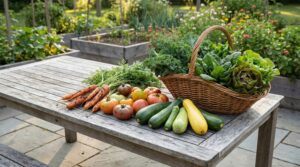
Harvesting your own vegetables is such a satisfying reward after weeks or months of gardening, but what you do next can completely change how they taste and how long they last. I’ve picked, stored, and prepped veggies from my backyard for years, so I know just how easy it is to get this step wrong or right. When you time your harvest well and store veggies the right way, you make all your hard work totally worth it. I put together this guide packed with tips and tricks; it’s perfect if you want to keep those garden fresh flavors going well past picking day.
Getting Ready: When and How to Harvest Your Homegrown Vegetables
The biggest factor in getting great tasting veggies is picking them at the right time. Every vegetable hits a sweet spot; too early or too late, and you’ll get limp, bitter, or starchy food nobody really wants.
Pay attention to the signals your vegetables send you. Here’s how I check some common crops:
- Tomatoes: I look for their full color (red, yellow, or purple, depending on the variety) and pick them when they feel slightly firm, but not rock hard.
- Carrots: Tops should look about one inch wide. I loosen the soil to peek before pulling.
- Zucchini and cucumbers: I pick them when they’re small or medium sized so they’re tender.
- Leafy greens: I harvest outer leaves of lettuce and spinach often, before they start to wilt or bolt in hot weather.
Harvesting in the cool early morning is a good idea. Vegetables are firmer and less stressed from the sun, so they’ll last longer after picking. I’ve noticed certain varieties of lettuce and spinach can bolt even faster during a heat wave, so it’s advisable to keep a regular eye on weather patterns and pick greens right before a major temperature spike if possible. This way, you get flavorful leaves at their best, and you’ll avoid bitterness caused by letting them grow too long.
Initial Prep: Cleaning and Sorting for Storage
Once veggies are picked, I get rid of excess dirt, leaves, or bugs right away. For root veggies like carrots or beets, brushing off loose dirt with your hands is plenty. Washing them before storage can actually shorten their shelf life because moisture can cause mold and spoilage quickly, especially in moist storage bins.
If your veggies are caked in heavy mud (sometimes after a big rain), let them dry and gently rub off the soil. Greens and tender crops like peas or beans should be snapped from their stems and sorted. I toss out anything bruised or damaged, since one bad veggie can spoil a whole batch during storage. Checking for bug damage is crucial; any sign of soft spots or small holes means you should eat those veggies first or cut away the spots and use them right away in your next meal.
Storage Basics: Keeping Vegetables Fresh After Harvest
Not all veggies want the same storage conditions, so I create zones in my fridge, basement, or pantry based on crop needs. Here’s a quick rundown:
- Cool and humid: Root veggies, broccoli, cauliflower, and leafy greens thrive at 32–40°F with high humidity. I store them in perforated plastic bags in the crisper drawer. If you don’t have a crisper, putting a damp towel in a plastic bag can help create the humidity these crops love.
- Cool and dry: Potatoes, pumpkins, garlic, and onions last longer at 50–60°F and low humidity. I keep them in paper bags or open crates so they don’t touch each other, in a dark and dry spot. You’ll find that darkness is the main factor to avoid sprouting, especially with potatoes and onions, so store them well away from windows or other light sources.
- Room temperature: Tomatoes, sweet potatoes, and winter squash actually do better at about 60–70°F in a single layer away from sun until you’re ready to eat them. Only refrigerate once they’re fully ripe. Chilling too early can affect taste and texture, so keep a close watch for ripening signs and only move to the fridge if truly needed.
I avoid storing fruits and veggies together when I can, since some fruits release ethylene gas and speed up ripening, or rotting, of many vegetables. Apples, for example, are notorious for this. Keep apples and pears apart from your vegetables, especially root veggies, to extend their shelf life.
Handling Specific Crops: Tips for Popular Homegrown Vegetables
Some veggies have unique needs you want to pay attention to. Here are a few that I pay extra attention to:
- Onions & Garlic: Cure by letting them dry in a warm, well ventilated area for a couple of weeks after digging up. Once the outer skins are papery, cut the tops and store in mesh bags in a dry area. Be sure to turn the bulbs every few days as they cure. Proper curing keeps them from sprouting and reduces mold risk—this step is key for long storage.
- Potatoes: Cure freshly dug potatoes in a cool, dark place for 10–14 days before storing. This toughens their skin and extends storage life. I always check for cuts or blemishes before storing, since any injury can make the potato rot faster.
- Herbs: Basil, cilantro, and parsley wilt fast. I store these in the fridge with their stems in a glass of water, covered loosely with a plastic bag. Woody herbs like rosemary and thyme last in a dry paper towel inside a zip bag. If you have lots of basil, freeze some in ice cube trays covered with olive oil—this method lets you enjoy fresh tasting herbs for months.
- Carrots & Beets: Cut off leafy tops right after picking and store the roots unwashed in bags with a slightly open end. They keep best in cool, moist storage, so I use my crisper or an unheated basement. If you’re short on space, a box of damp sand in a basement or cool shed is an old fashioned trick that can keep these roots in perfect shape all winter.
Quick Guide to Increasing Shelf Life
Keeping homegrown veggies fresh doesn’t just make meals tastier; it also helps stretch your harvest longer. Here are tried and true steps I stick to:
- Harvest at Peak Ripeness: Only pick what you’re ready to store. Overripe veggies spoil fast, so if you see one that’s past prime, eat or process it right away.
- Handle Gently: Bruised or cut produce goes bad first, so carry a basket and avoid overfilling it. Gentle harvesting tools and padded baskets work wonders to avoid the kind of knocks that hasten spoilage.
- Remove Excess Moisture: Pat dry anything washed and line storage containers with paper towels to absorb excess dampness. You can extend the shelf life of lettuce and spinach simply by wrapping them in a paper towel before closing up the storage bag.
- Inspect Often: Every week, I check my stored veggies and remove anything going soft or moldy to protect the rest. Rot can spread quickly; weekly check-ins let you save the bulk of your harvest from one bad veggie.
- Keep Airflow: Don’t cram veggies together; airflow is super important to prevent rot and mold. Stacks too deep can cause bruising at the bottom, so a single layer or gentle stacking is the way to go.
Sticking to these steps saves a lot of food from going to waste and honestly, makes prep so much easier throughout the week. Extending shelf life also allows you to alternate your meals and plan recipes that use more sensitive veggies first, then switch to roots or hard squash as the weeks go by.
Common Mistakes (And Simple Fixes)
I made plenty of mistakes before I got storing veggies down. There are a few classic blunders I see a lot, along with straightforward ways to avoid them:
- Storing dirty produce: Moisture and soil trapped together can cause rot. At minimum, brush off loose dirt before bagging and only wash right before use for best results.
- Mixing fruits, roots, and greens: Ethylene from ripe fruit can age your veggies quickly. Separate them to keep things fresh and vibrant.
- Tight packing: Airflow is more important than squeezing in one more carrot. Leave space to breathe and avoid sealed plastic unless you cut vent holes for airflow.
- Refrigerating everything: Some veggies (like tomatoes and potatoes) lose flavor or texture if chilled. Store them at room temp or in a cool, dark pantry or basement instead of straight in the fridge.
On top of those, avoid cutting the tops off root veggies too close to the crown, which can let moisture enter and cause rot. If in doubt, leave a small stem attached until you’re ready to cook. A little extra attention pays off in extra days or weeks of freshness.
Pro Tips for Long-Term Storage: Freezing, Canning, and Drying
If you hit the point where the harvest is coming in faster than you can eat it, preserving is worth a try. My favorite ways are freezing, canning, and drying, each with their own upsides and ideal crops.
- Freezing: Best for beans, spinach, peas, and corn. I blanch veggies in boiling water, then dunk in ice water, drain, and freeze in zip top bags. This kills bacteria and keeps color bright. Labeling each bag with the harvest date helps you use the oldest produce first, so nothing gets lost in the back of the freezer.
- Canning: Tomatoes, pickles, and some beans work well when canned. I use a water bath canner for high acid vegetables and a pressure canner for low acid ones. Detailed instructions matter here, so I always double check guidelines at a site like the National Center for Home Food Preservation (nchfp.uga.edu). Be scrupulously clean and follow safety times for canning; proper technique keeps your food safe all winter long.
- Drying: Herbs and hot peppers are easiest to dry. I hang bunches upside down in a dry room or use a dehydrator for even results. Storage in glass jars keeps them fresh for months. Slices of tomatoes or apples also dry nicely for snacks and can be rehydrated for cooking later on.
Experimenting with these methods means I get to enjoy my garden veggies in soups, sauces, and dishes long after the main growing season ends. Try combining dried herbs with your canned tomatoes for next-level cool winter stews, or add frozen corn to chili as a quick flavor boost.
Frequently Asked Questions
I hear a lot of the same questions about harvesting and storing, especially from first time gardeners. Here are a few, answered with the tips I rely on most:
Question: How can I tell when my vegetables are truly ready to pick?
Answer: The best way is to watch for color changes, size, and firmness specific to each plant. For example, peppers turn their mature color (red, yellow, or orange), and green beans are ready when they snap easily but haven’t grown tough or bulging seeds. If you’re unsure, taste a small piece—sampling as you go helps you figure out the sweet spot for your particular garden. Over time, you’ll notice subtle signals from each crop and get a feel for what works best in your climate.
Question: Should I wash vegetables before storing them?
Answer: Most vegetables keep longer if they’re stored dry and unwashed. Brush off dry dirt instead. If you need to wash (like with leafy greens), dry them thoroughly before refrigerating. Any lingering moisture can cause leaves to rot much sooner, so spin them dry or pat them with a towel.
Question: What’s the best way to organize my root cellar or storage area?
Answer: Store crops in shallow layers with space in between for air to circulate. Group similar veggies together by their storage needs, and store in containers that let them breathe, like mesh bags or open crates. Raise produce off the floor to avoid cold spots and pests, and label bins with the crop and harvest date to keep your rotation on track.
Question: Can I store all harvested vegetables together?
Answer: It’s best not to mix everything together. Different vegetables have different ethylene sensitivities and moisture needs. Keep your root vegetables, fruits, and leafy greens separate to avoid premature spoilage, and use bins or shelves to help organize for easy checking.
Final Thoughts on Keeping Your Harvest Fresh All Season
No matter how big your space is, getting the timing, cleaning, and storage set up right helps your homegrown veggies last as long as possible. After years of trial, error, and happy kitchen experiments, a good routine takes nearly all the guesswork out. It’s all about gentle handling, knowing your crop’s quirks, and checking in once a week to keep everything in tiptop shape. Keeping things simple pays off; fresher flavors, less waste, and more homegrown meals all season long. And remember—every harvest is a little different, so trust your senses and don’t be afraid to experiment with storage methods until you find what works best for you. Enjoy the rich rewards of your garden every chance you get!
Hello, this mrwillan, this is a very interesting topic, I have a lot of Plants and
need some insights on taken care of indoor plants, But There are a few classic blunders, did not know this Some veggies like tomatoes and potatoes lose flavor or texture if chilled. That’s a good TIP! Also, good thing to know, veggies last as long as possible, getting the timing, cleaning, and storage set up right is Key, thank you for a great site post, I learned a lot!
If I can get some tips for indoor Plants, that would be great THANKS AGAIN!!
Hi, and thanks for your comment! If you are looking for information specific to indoor plants, please visit my website, https://green-thumbed.com. There will be a new section added on Indoor Gardening soon!