
Keeping a garden healthy and looking great can feel tough, especially when you barely have time to spare. I know how easy it is to let things slip, particularly when life’s already full of work, family, or other priorities. Over the years, I’ve picked up a bunch of practical ways to keep a garden in good shape without eating up every bit of your free time. Here are my favorite garden maintenance tips for busy people who want their outdoor space to thrive, even with a packed schedule.
Why Low Maintenance Gardening Makes a Difference
Simplifying your gardening approach makes sense if you can’t spend hours each week on outdoor chores. A well-planned, low maintenance garden gives you the chance to enjoy fresh air, greenery, and perhaps even homegrown produce, all without the pressure of constant upkeep. Choosing the right strategies lets your garden almost take care of itself, making the most of your limited time and energy.
Low maintenance gardens don’t have to be boring. With a touch of planning, you can have all sorts of color and life outdoors. Many of my gardening friends who work full-time or manage busy families swear by going simple. It keeps stress down and doesn’t lead to weekend guilt trips about weeding or mowing.
Plus, a low maintenance approach can help your garden weather tough conditions. If you go on vacation, get busy at work, or simply want to relax instead of pulling weeds, your yard will keep looking appealing. That peace of mind is a huge perk for most folks I talk to.
Key Approaches for Easy Garden Maintenance
Breaking garden care into bite-sized tasks makes it much less overwhelming. I tackle most jobs in small chunks—sometimes just ten minutes at a time. Here are a few things that make a big difference:
- Focus on Perennial Plants: These plants return year after year, like daylilies, hostas, lavender, and plenty of ornamental grasses. Unlike annuals that need replanting, perennials settle in and mostly look after themselves.
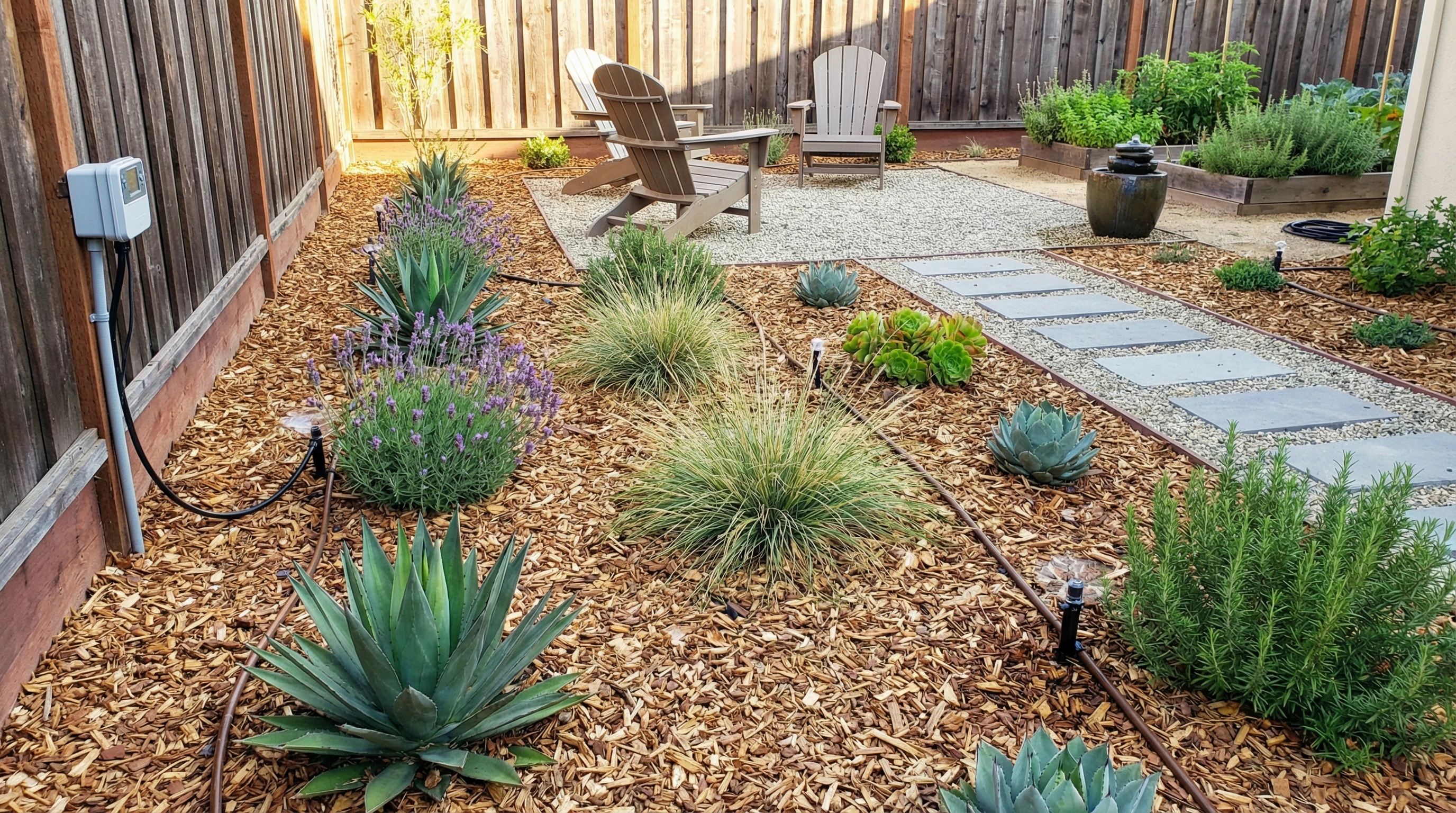
- Add Mulch Wherever Possible: A thick layer of mulch keeps weeds down, holds moisture, and means fewer hours spent watering or pulling unwanted plants. Wood chips, shredded bark, or composted leaves work well in most gardens.
- Group Plants by Water Needs: Put thirsty plants together and drought tolerant ones in another spot. This way, you only have to water specific zones instead of your whole garden.
- Use Raised Beds or Large Containers: Raised beds limit the spread of weeds, help soil warm up faster in spring, and make it easier to manage watering tasks. Containers are handy for patios or small spaces, and you can even use selfwatering pots for extra convenience.
By sticking to these approaches, you’ll notice your gardening chores shrink, and you might even end up with extra time to add a chair or two and enjoy your green space.
Smart Tools and Products That Save Time
Investing a bit upfront in smart tools pays off by saving lots of time down the road. Here are some I rely on and recommend to any busy gardener:
- Automatic Drip Irrigation: Setting up a drip system or soaker hose means you won’t need to drag hoses around or hand-water your garden. Timers can be programmed to keep plants happy, even when you’re busy or out of town.
- Battery or Electric Hedge Trimmers: Speed up pruning and trimming with lightweight, cordfree tools. They’re great for quickly shaping hedges or taming overgrown spots in just minutes.
- Disease and Pest Resistant Plants: Lots of seed companies and nurseries list plants as low maintenance or resistant to certain pests and diseases. Starting out with these saves you effort later.
- Weed Barrier Fabric: Install fabric under mulch in garden beds to keep weeds out for years. Just cut holes where you want your plants and cover with mulch for a neat, tidy look.
Another helpful tip: organize your tools so you don’t waste time hunting for a trowel or pruners. A small tool tote or bucket works wonders for quick jobs.
Efficient Watering Tips for Busy Schedules
Proper watering is the trick that keeps a garden healthy, but it’s easy to skip if you’re busy. Here are methods I’ve tried that make watering almost hassle-free:
- Water Early: Watering in the morning reduces evaporation and the risk of fungal diseases. If you use a timer, set it for an early, short cycle to take care of this automatically.
- Install a Rain Barrel: Collecting rainwater with a barrel saves money and makes it easy to fill a watering can. Some even connect to a drip system to water beds using gravity, further freeing up your time.
- Deep, Infrequent Watering: Watering less often but more thoroughly encourages roots to grow deeper, helping plants handle dry spells. Ultimately, you’ll water less frequently over the long run.
If drought is common where you live, consider switching some of your garden over to native, drought tolerant plants. There’s less stress—and fewer surprises if you have to skip watering for a few days.
Seasonal Routine: What Needs Doing and When
Dividing up garden work by season keeps maintenance manageable. With a seasonal plan, nothing piles up, and most sessions last under half an hour. Here’s what works for me year-round:
Spring
- Check mulch and add more if needed for fresh coverage.
- Prune dead or damaged branches from shrubs and trees.
- Start up your irrigation system and test for leaks or plugged lines.
- Plant new perennials or hardy annuals after risk of frost passes.
Summer
- Check for weeds every week or two. Pull or cut them when small for quick removal.
- Trim faded blooms (deadheading) to keep flowering plants looking their best.
- Add water during dry spells or if containers begin to wilt.
Fall
- Clear away fallen leaves and spent plants—add them to compost if you like.
- Cut back perennials only if they look messy or could carry disease; otherwise, leave stems or seed heads for birds.
- Plant spring bulbs in beds or pots for easy color the next season.
Winter
- Use this season for planning or small repairs, such as cleaning tools or sharpening blades.
- Watch for frost heave—push plants back down if any roots have popped up.
This easy cycle keeps garden chores bite-sized and prevents the work from ever feeling overwhelming.
Common Busy-Gardener Challenges
I run into a few roadblocks during extra busy months. Here are common problems and how I address them quickly:
- Weeds Out of Control: Focus first on removing weeds about to set seed. You don’t have to get every last one; stopping new seeds keeps things manageable long term.
- Plants Looking Stressed: If you spot droopy or browning leaves, check the irrigation system right away. Container plants dry out fast and may need extra attention in hot weather.
- Overgrown Areas: Sometimes, I use a string trimmer to cut back weeds or grass that grew a little wild. Toss on some mulch afterward to keep it neat until the next session.
If a garden task seems overwhelming, break it down even further—cut back one bed or section at a time. Small wins add up fast!
Extra Tricks to Make Gardening Even Easier
Over the years, I’ve stumbled upon several hacks that double down on convenience:
- Use slowrelease fertilizers to feed plants for months, cutting down on feeding tasks.
- Choose ground covers, like creeping thyme or sedum, to fill empty space—much less weeding for you.
- Grow herbs or veggies that don’t need much care. Chives, rosemary, sage, or kale are all tough and forgiving.
- Set reminders on your phone for monthly or seasonal tasks, like checking irrigation or topping up mulch.
- Try integrating some decorative gravel, bark, or stepping stones to reduce mowing and watering needs while keeping your garden eye-catching.
Real-World Examples: What Low Maintenance Looks Like
One of my neighbors turned her small backyard into a patchwork of succulents, mulched paths, and perennial herb beds. She checks her irrigation timer every few weeks and spends less than two hours a month on care. Despite her busy schedule, her yard stays tidy—all while drawing compliments from guests and passersby.
In my front yard, I stick to shrubs that may need a quick trim only a couple of times a year, and a few pots of easy flowers near the porch. Other than topping off the drip irrigation every so often, I can sit back, relax, and take in the view. A little bit of prep, combined with the right strategies, truly makes a difference for anyone lacking time.
Some friends have also experimented with edible landscaping—mixing culinary thyme or oregano in their flower beds for a garden that brings bursts of flavor and color, while asking little of your time.
Frequently Asked Questions
Here are some questions busy gardeners have asked me over the years:
Question: Can you really have a nice garden without a lot of work?
Answer: Absolutely. With smart plant choices, mulch, and a little bit of automation, it’s entirely possible to have a garden that’s both beautiful and manageable.
Question: What if I miss watering for a week while I’m away?
Answer: Drip irrigation systems with timers or selfwatering containers help keep plants healthy in your absence. Also, using drought tolerant plants preps your garden to handle dry spells without any fuss.
Question: How do I get rid of weeds without using chemicals?
Answer: Mulching, using weed barrier fabric, and staying on top of quick weeding jobs are all good options. If you keep ahead of it a bit at a time, there’s no need for sprays.
Wrapping Up: Easy Garden Maintenance is Possible
A healthy, eye-catching garden doesn’t demand every spare minute. With the right setup and a few reliable time-savers, taking care of your outdoor space can fit even the busiest schedule. If you’re brand new to gardening or just looking to simplify, focus on making your garden work for you. Smart planning and regular little efforts add up to an outdoor space that’s a source of joy, not another chore to dread. Enjoy your garden!