
If you’re working with a small balcony but dreaming about fresh herbs at your fingertips, a DIY vertical herb garden is a smart and rewarding project. Small space gardening isn’t just trendy; it makes a big difference for anyone who loves cooking or just having greenery nearby. Setting one up is more doable than you might think, and the results are both practical and good looking. This guide will show you the steps, tips, and ideas that make creating a vertical herb garden super easy for any small balcony—no giant backyard required.
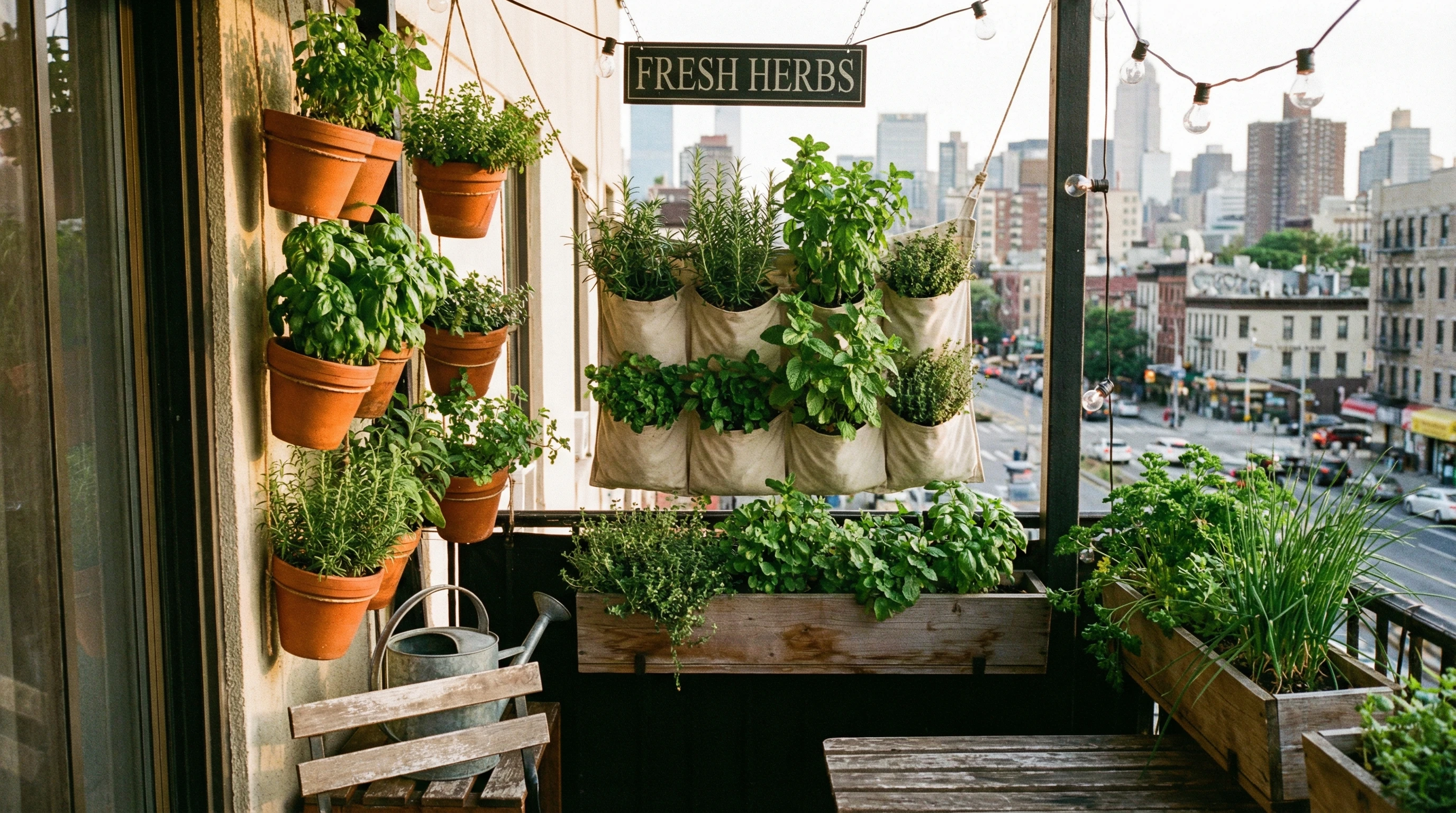
Why Try a DIY Vertical Herb Garden?
Space is a big challenge for urban gardeners. Most balconies barely fit a chair and a small table, let alone a whole row of pots. Vertical gardens let you use the height of your balcony wall, railing, or fence, freeing up floor space for relaxing or entertaining.
Growing your own herbs saves money at the grocery store and means you always have fresh flavor for your meals. Plus, you get the bonus of leafy green beauty and better air on your balcony. That’s a win for your plate and your living space—and gives your outdoor nook an eye-catching twist.
DIY vertical gardens can be made pretty cheaply. Most designs use materials you likely have or can pick up at a hardware store. No need for fancy gear or years of experience. With a little planning and a willingness to get your hands dirty, you can set up a truly next-level cool herb garden.
What You Need to Get Started
There are tons of ways to design a vertical herb garden, but the basics don’t change much. Start with a spot that gets direct sunlight for at least a few hours during the day. Most herbs like bright light, so keep this in mind when picking your balcony wall or railing.
- Planters: Small plastic pots, recycled cans, mason jars, fabric pocket organizers, or repurposed wooden pallets all work well. Make sure whatever you use has drainage holes or can be easily adapted.
- Mounting System: Hooks, wall mounted shelves, hanging rails, or sturdy ropes. Hanging shoe organizers are a DIY favorite for their built in pockets—which is a real space saver for small places.
- Potting Mix: Choose a quality potting soil designed for containers. Avoid heavy garden dirt—herbs won’t like it.
- Herb Seeds or Seedlings: Go with your favorites. Basil, mint, parsley, chives, cilantro, oregano, and thyme are all easy for beginners and fantastic for cooking at home.
- Basic Tools: A trowel or scoop, a watering can or small pitcher, and some gloves if you want to keep your hands clean.
If you want to switch things up, consider adding a few hanging baskets or wall mounted magnetic strips for tiny pots. They give a boost to the overall look without taking much space.
How to Build Your Vertical Herb Garden
Once you’ve picked your spot and gathered your supplies, it’s time to put it all together. Here’s a step-by-step I’ve found works for most balconies:
- Prep Your Planters. Make sure every container has at least one drainage hole to prevent soggy roots. If not, poke or drill a small hole in the bottom.
- Set Up Your Mount. Attach your shelf, rail, or hanging organizer to the balcony wall, railing, or fence. Double check for sturdiness; the last thing you want is your plants crashing down in the wind.
- Fill with Potting Mix. Don’t pack the soil too tightly. Leave some space at the top for water and root growth.
- Plant Your Herbs. If you’re using seeds, follow the package spacing instructions. For seedlings, loosen the roots gently before transplanting so they settle in well.
- Water Well. Give them a gentle soak after planting, but don’t drown them. Herbs hate sitting in water—a slow, even pour works best and keeps the roots healthy.
- Label and Arrange. It’s easy to forget which herb is which, especially before they take off. Use popsicle sticks, stones, or even painted pebbles to keep things organized. Arrange plants with similar water needs near each other for easier care.
While working, check in on the arrangement from different angles to spot any plants that might need to switch places for better sun exposure.
Easy Vertical Garden Ideas for Small Balconies
The coolest thing about vertical herb gardens is how adaptable they are. Here are a few layouts I’ve tried or seen work well in tight spaces:
- Pallet Garden: A wooden pallet stood on its side is sturdy and easy to find. Pop pots between the slats or staple landscaping fabric inside to create long pockets of soil. Lean the pallet against a wall for a rustic, farmhouse vibe.
- Shoe Organizer Planter: Hang a canvas or plastic shoe organizer on a hook or over the railing. Fill each pocket with soil, add a seedling, and you’ve got a tidy, spacesaving grid of herbs. It’s super easy to set up and replant as needed.
- Hanging Pots on Rails: Secure curtain rods or heavyduty plant rails along your balcony wall. Hang lightweight planters or old tin cans with S hooks. It’s easy to move, swap, or expand the garden as needed.
- Stacked Crates or Baskets: Stack wooden crates or baskets in a tower, using the open sides as planting spaces. Secure them to each other and the wall for stability. This setup can double as a decorative divider between balcony areas and also keep your herbs sorted.
- Repurposed Gutters: Mount sections of old rain gutters horizontally on the wall. Drill a few holes in the bottom for drainage, fill with potting mix, and plant a row of herbs in each one. Simple and resourceful.
Every idea can be modified to match your space, so get creative and check out what kinds of containers you have lying around. Even a few upcycled jars can make a big difference on a tiny ledge.
Caring for Your Balcony Herb Garden
Keeping your herbs happy on a small balcony is pretty simple with a few easy habits.
- Watering: Herbs in small pots dry out faster than those in the ground, especially on sunny balconies. Check daily by poking your finger in the soil—if it feels dry an inch down, it’s time to water.
- Sunlight: Most herbs love a good amount of sun. If your balcony is shady, consider herbs like parsley, mint, and chives that can handle some filtered light.
- Feeding: Give your plants a boost with a little liquid fertilizer every few weeks. Don’t overdo it; herbs actually like their soil a bit lean. Too much food can make their flavor bland.
- Pruning: Pinch or snip leaves regularly to keep herbs bushy and prevent them from flowering too soon. Use the fresh clippings in your cooking and toss a few sprigs into a pitcher of water for extra flavor.
- Pest Control: Balcony gardens have fewer pest problems than inground beds, but keep an eye out for aphids or spider mites. A spritz of water or a gentle soap solution clears most bugs fast. Surprise guests? Handpick them or gently remove any damaged leaves.
If you’re away for a weekend, group waterthirsty pots together in the shadiest spot to help the soil stay moist longer.
Troubleshooting Common Problems
- Yellow Leaves: Usually a sign of overwatering or poor drainage. Cut back the water and make sure pots can drain freely. If needed, poke extra holes or prop up containers to get rid of standing water.
- Leggy Growth: Herbs stretching out with long, floppy stems need more light. Move them closer to the sunniest spot you have. If that’s not possible, rotate the planters a quarter turn each week for better sunlight.
- Slow Growth: If your herbs are slow to take off, they might be too crowded, or the soil needs a little refresh. Give them some space or repot with fresh mix.
- Mold or Mildew: Good airflow and spacing between plants help prevent this. Avoid watering late in the day so leaves don’t stay damp overnight. If you spot white fuzz, gently remove it and give the area more ventilation.
Best Herbs for Small Space Vertical Gardens
- Basil: Loves heat and regular pinching. Great for Italian dishes and excellent in summer salads.
- Mint: Grows quickly but likes its own container; the roots spread fast so keeping it separate is best.
- Chives: Hardy, low maintenance, and perfect for snipping onto potatoes or salads. They bounce back easily after harvest.
- Parsley: Flat leaf or curly, it handles part shade well and lends flavor to tons of dishes.
- Cilantro: Needs regular replanting, as it bolts quickly in heat, but nothing beats fresh salsa with homegrown cilantro.
- Thyme & Oregano: Both like it drier and sunny. Pinch off stems to encourage bushiness and toss extra in soups or stews—they dry well for winter use too.
- Sage & Rosemary: Slightly woodier herbs. Give them space and good drainage, and they’ll last all season, sometimes acting as small, aromatic shrubs on your balcony.
You can always mix in some variety by adding lemon balm, tarragon, or even compact varieties of lavender for fragrance and pollinators.
Frequently Asked Questions
How much sun does a vertical herb garden need?
Most herbs thrive with 4 to 6 hours of direct sunlight per day. If your balcony only gets morning or afternoon light, choose herbs that can handle part shade like mint, parsley, or chives.
Can I use recycled containers for my vertical garden?
Totally! Just add drainage holes before planting, and be sure any paint or finish is herb-safe. Recycled cans, jars, or bottles keep costs low and add character. They can also bring a pop of color to your setup if you paint or decorate them.
How often should I water my herbs?
Small containers dry out quickly, so plan for a daily check, especially in hot weather. Water when the top inch of soil feels dry—you can set a reminder if needed.
Is it better to start from seeds or seedlings?
Beginners usually have quicker success with seedlings, but seeds are great if you want a wide selection or are working with a tight budget. Starting from seedlets you experiment with more unusual or hard to find herbs.
Quick DIY Herb Garden Checklist
- Pick a sunny balcony spot
- Choose or make your planters
- Set up a secure mounting system
- Use quality container potting mix
- Plant easy care herb varieties
- Water regularly and avoid overwatering
- Harvest often to keep plants healthy
A vertical herb garden on a small balcony is more than a spacesaver. It’s a simple way to add fresh flavor to your food, boost your mood with greenery, and make even the tiniest outdoor nook feel a little more alive. If you’re looking for more ideas and inspiration, Garden Design’s vertical garden gallery is definitely worth a look.