
Companion planting is a gardener’s trick that’s both time-honored and surprisingly effective for keeping the garden healthy. Using plants to help each other deal with pests means you’re putting less stress on your wallet and avoiding heavy chemical use. The idea is simple: some plants naturally keep unwanted bugs away from their neighbors. Below, I’m sharing what I’ve learned about using companion planting as your garden’s secret weapon for pest control.
How Companion Planting Works for Pest Control
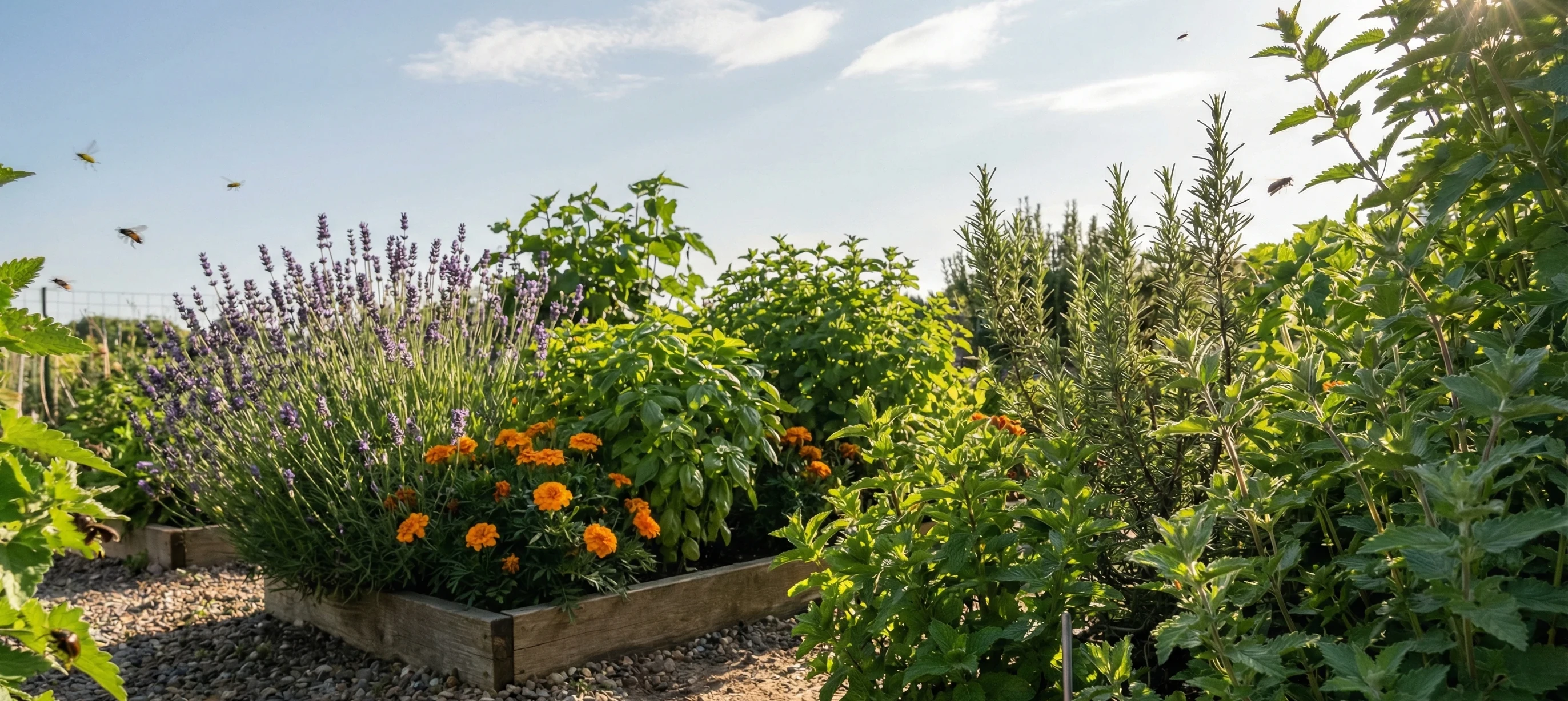
I’ve noticed that a mixed garden is usually a healthy one. Plants release different scents and chemicals, and these can make an area less appealing for pests. Some flowers and herbs bring in helpful insects like ladybugs that snack on aphids. Others just straight up drive bugs away with their scent or taste. While companion planting doesn’t guarantee a bug-free garden, it creates a space where pests don’t feel quite as comfortable, or where they get picked off before causing damage.
If you’re new to the idea, here’s how it basically works:
- Masking scents: Some plants, like basil or onions, put out strong smells that hide the presence of more vulnerable crops.
- Drawing in beneficial insects: Plants like dill and alyssum attract pollinators and bug-eating insects.
- Physical barriers: Tall or dense plants can shield sensitive crops from flying pests or serve as trap crops that lure bugs away.
Mixing up the types of plants in one patch means pests are less likely to wipe out your harvest, since many of them zero in on just one type of plant. A little planning goes a long way, and over the years, you might stumble upon new combos that work wonders for your specific garden.
Best Plant Partnerships for Natural Pest Control
I’ve had the best luck with some classic pairings that gardeners swear by. These combos are popular because they consistently work in most gardens:
- Tomatoes and Basil: Basil doesn’t just taste good with tomatoes, it also helps keep tomato hornworms and whiteflies away. I always tuck a few basil plants between my tomatoes.
- Carrots and Onions: Carrot flies don’t like the smell of onion, and onion flies steer clear of carrots. Growing these together confuses both sets of pests.
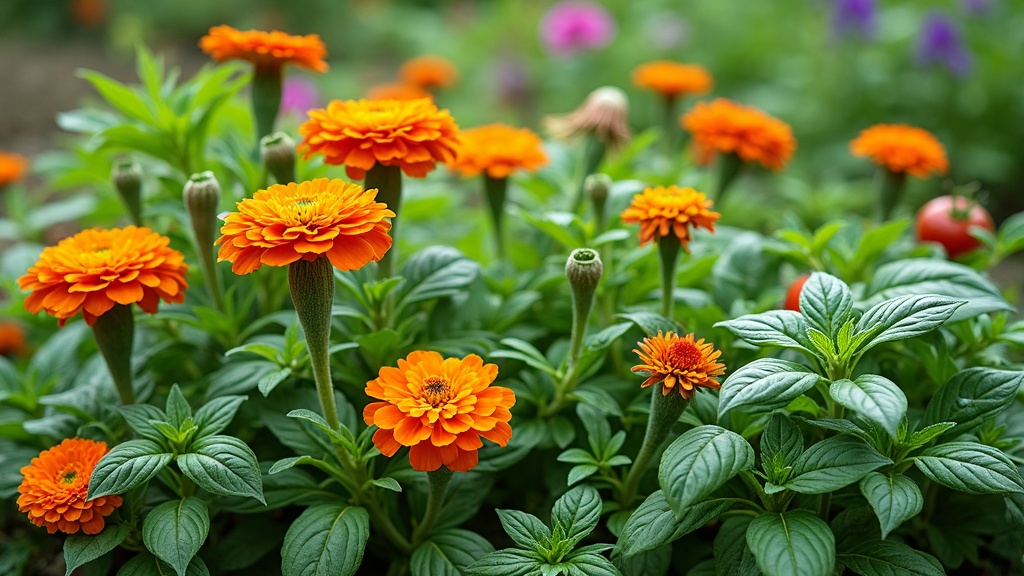
- Marigolds near Vegetables: Marigolds repel nematodes and plenty of other common garden pests. Just plant them around your veggie beds for an easy boost.
- Cabbage and Dill: Dill invites helpful wasps that feed on caterpillars. It’s really useful with cabbages, broccoli, and kale.
- Cucumbers and Nasturtiums: Nasturtiums serve as a trap crop for aphids and cucumber beetles, pulling them away from your cukes.
If you want simple wins, these are a good place to kick things off. Local extension offices and trusted gardening books, like ones from the RHS (Royal Horticultural Society on companion planting), can point to what works best in your area. Experimenting can help you find even more plant friends for your garden space.
Steps to Get Started with Companion Planting
Planning a companion vegetable garden can be quite fun once you get into it. Here’s how I usually go about things:
- List your main crops: Start with what you want to grow and actually eat.
- Check common pests: Look up which bugs are a problem for those plants in your region.
- Pick partner plants: Choose companions that either deter those pests or bring in their natural predators.
- Sketch your garden: Drawing out a rough plan helps you figure out where each plant fits. Grouping companion combos together makes it easier to manage everything.
- Start small: Try a few pairings in a couple of beds, especially if you’re learning as you go.
It really helps to jot down what you planted and how it worked that season. Every garden and climate is a little different, so keeping your own notes will make you a better companion planter year after year. You may even track down new tricks that aren’t in the usual guides.
Things to Keep in Mind Before Mixing Your Plants
Not every plant partnership works perfectly in every garden. I always check a few things before experimenting with new combos:
- Space needs: Tall or leafy partners can shade out sunloving crops. Be sure your companions don’t crowd each other out or block the sunlight.
- Water and soil preferences: Some plants like it dry, others need more moisture. Put together plants with similar needs for happier roots.
- Growth habits: Aggressive growers like mint can take over. Plant them in containers or away from slowgrowing varieties.
- Potential negative effects: Some plants just don’t get along. Fennel, for instance, prefers to be left alone, as it can stunt neighbors’ growth.
A little research goes a long way here. I often ask experienced local gardeners or check university extension pages like the University of Minnesota Extension, to make sure my plan is a good fit for my zone.
Spacing and Layout
Crowding invites pests and disease, so I make sure every crop gets the spacing it truly needs, even when pairing them up. I often put taller plants on the north side (if you’re in the Northern Hemisphere) so they won’t block sunlight from their shorter companions. Walkways between beds are useful too, making it easier to spot pest troubles early—and giving you room to snip some herbs or grab a stray weed.
Dealing With Trial and Error
Not every combo hits the jackpot every time. Sometimes marigolds attract spider mites, or a usually strong team falls flat one year. I treat this as part of the gardening adventure. Swapping out plant choices and keeping a healthy mix in the beds brings solid results across more seasons than not.
Some Friendly But Feisty Pest Fighters
I’ve found that adding certain plants is almost like hiring a little squad of garden security guards. Here are a few snappy picks that I rotate each year:
- Chives: Great for cutting down on aphids and Japanese beetles; I plant them near carrots and tomatoes.
- Rue: This herb is tough on Japanese beetles and even deters cats.
- Borage: Helps strawberries fend off worms and brings bees for better pollination elsewhere in the patch.
- Mint: Its strong scent makes ants and aphids think twice. I always grow it in pots to avoid an invasion.
Popping a few of these scrappy helpers into your beds is a quick way to tone down pests without extra sprays. Plus, most of them are useful in the kitchen or loved by pollinators as well.
Common Questions About Companion Planting for Pest Control
People ask about companion planting a lot, especially after seeing a garden bounce back from tough pest problems. Here are the questions I hear most often:
Question: Does companion planting always stop pests?
Answer: No method wipes out all pests every time. Companion planting just makes your garden less attractive to problem bugs and more appealing for helpful insects. Pairing it with tactics like crop rotation and row covers is the best bet for solid results.
Question: How close do companion plants need to be?
Answer: Closer is often better—within the same garden bed or right beside each other in a row. Just be careful not to crowd them or block anyone from sunlight.
Question: Can I plant anything together as companions?
Answer: Not every combo is a winner. Some plants just don’t get along or could stunt each other’s growth. Double-check a trusted chart or guide before planting a big mix.
Companion Planting in Real Life
One year, I paired marigolds with bush beans and noticed far fewer bean beetles than my neighbor. Another time, mixing lettuce with radishes scared off leaf miners, leaving my greens much nicer. Sometimes the payoff takes a season or two, but any time I weave companion planting into my normal routine, I do less spraying and less hand-picking bugs. That’s a win for my schedule and for the planet.
The big takeaway: gardens work best with a mix of plants looking out for each other. Creating these alliances is enjoyable and truly effective for keeping pests at bay. If you’re hoping to have fewer bugs munching your crops and to get better harvests, companion planting is absolutely worth a try.
Thank you Pauline for this plant symphony where each plant becomes an ally, sentinel or strategist.
Your article is a lesson in cohabitation, a pedagogy of life, an invitation to garden with the intelligence of the link rather than with the brutality of the products.
Your article reminds us that the garden is an ecosystem, not a factory.
Each combination you propose, basil and tomato, carrot and onion, potted mint becomes a gesture of care, a gentle tactic, a defensive alliance rooted in observation.
Here, failure is not a fault but a conversation with the earth. The notebook becomes a mirror of the season, and each adjustment, a silent victory, An ecology of nuance, where light, space, scent and memory come together to create a resilient, nourishing and joyful garden.
In short, you don’t just plant vegetables, you sow vigilance, patience and gratitude.
For those of us who see the garden as a place of transmission and gentle resistance, your article is a valuable source
Hello Lanicheduclip and thank you for your positive and thoughtful comment. You are correct ….. your garden is an ecosystem and getting it to work together is one of the steps to success. I have learned many things through different gardening communities I have joined over the years, and many top discussions lead to “harmony in the garden” which is what I tried to convey in this article. I am pleased you picked up on that message and find this source of information holds value!
Thank you again, and Happy Gardening!
Pauline